Location
PACIFICO Yokohama
Booth
C02 (Galleries)
S07 (Sato ‘Meadow’)
Artists
Yutaka Aoki
Junko Oki
Takuro Kuwata
Yosuke Takeda
Ryu Takeda
Noritaka Tatehana
Hiroto Tomonaga
Dan McCarthy
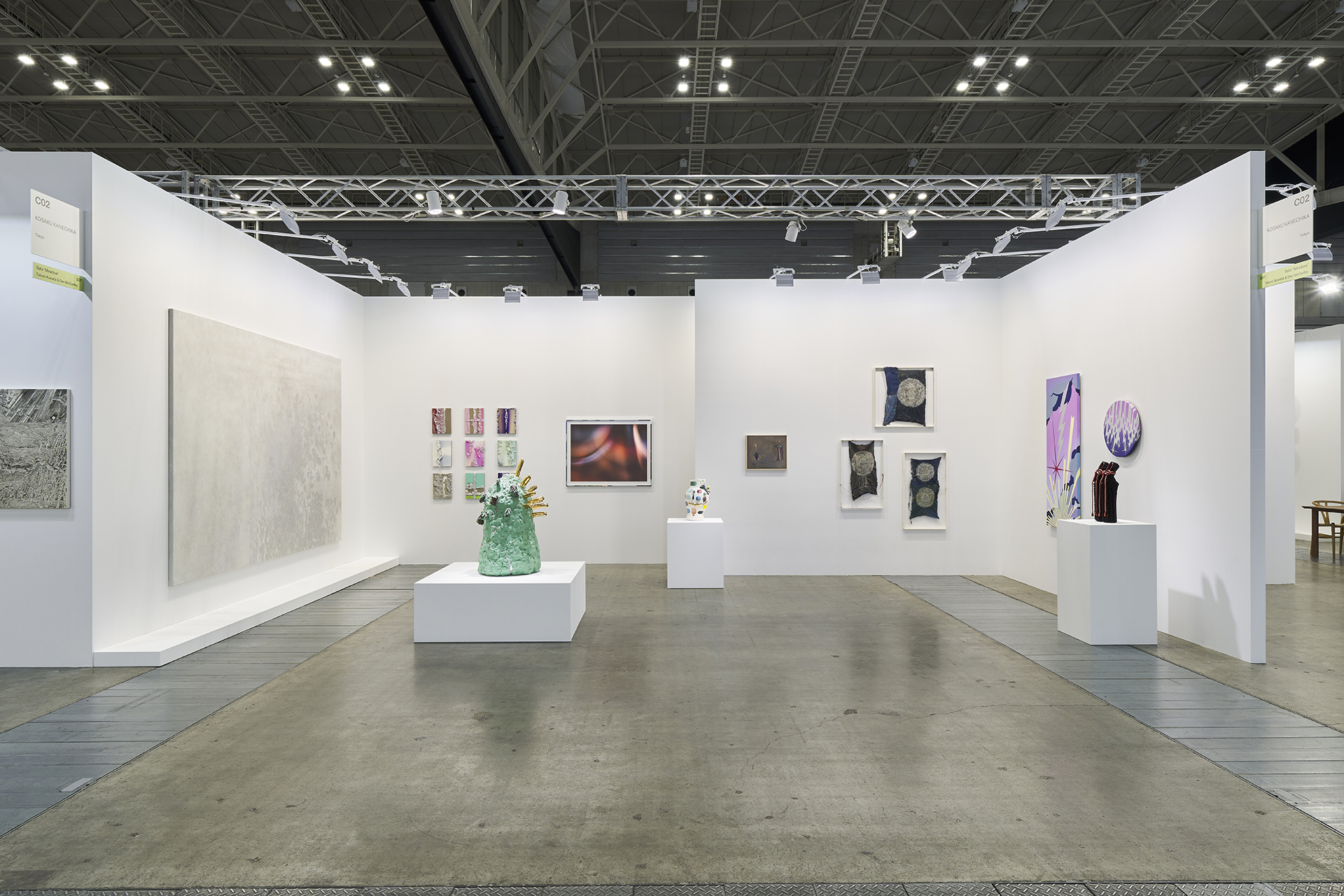

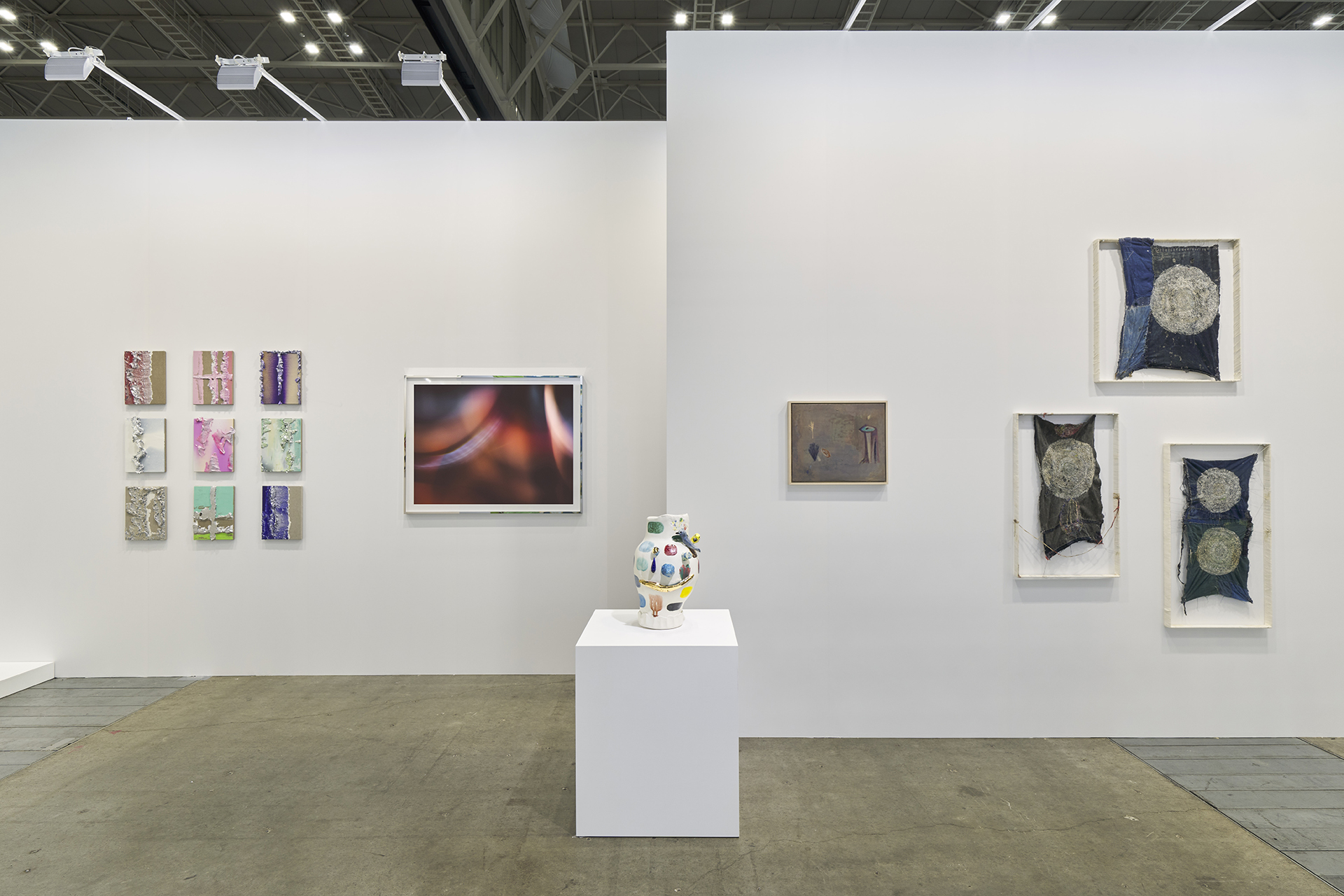
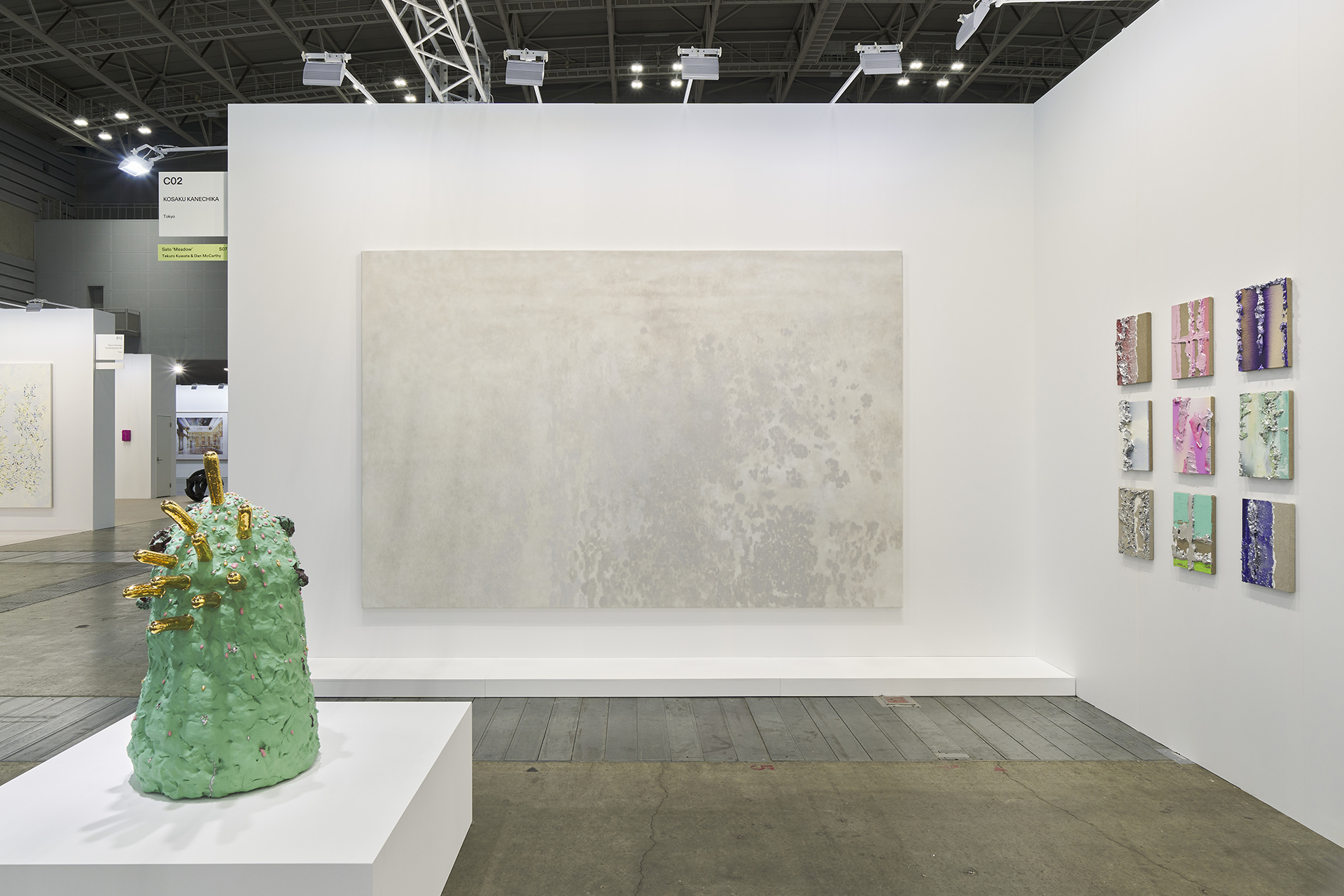

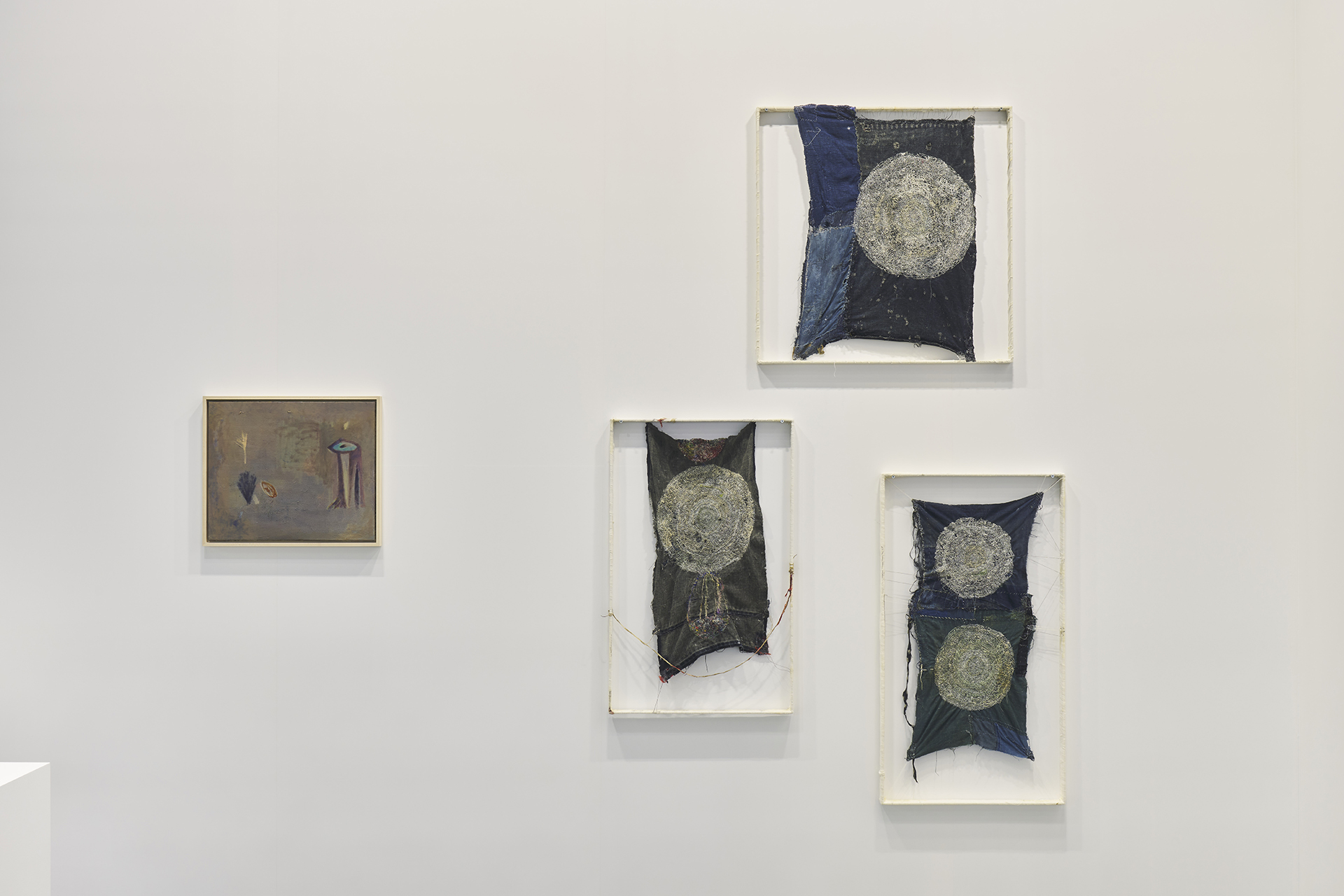
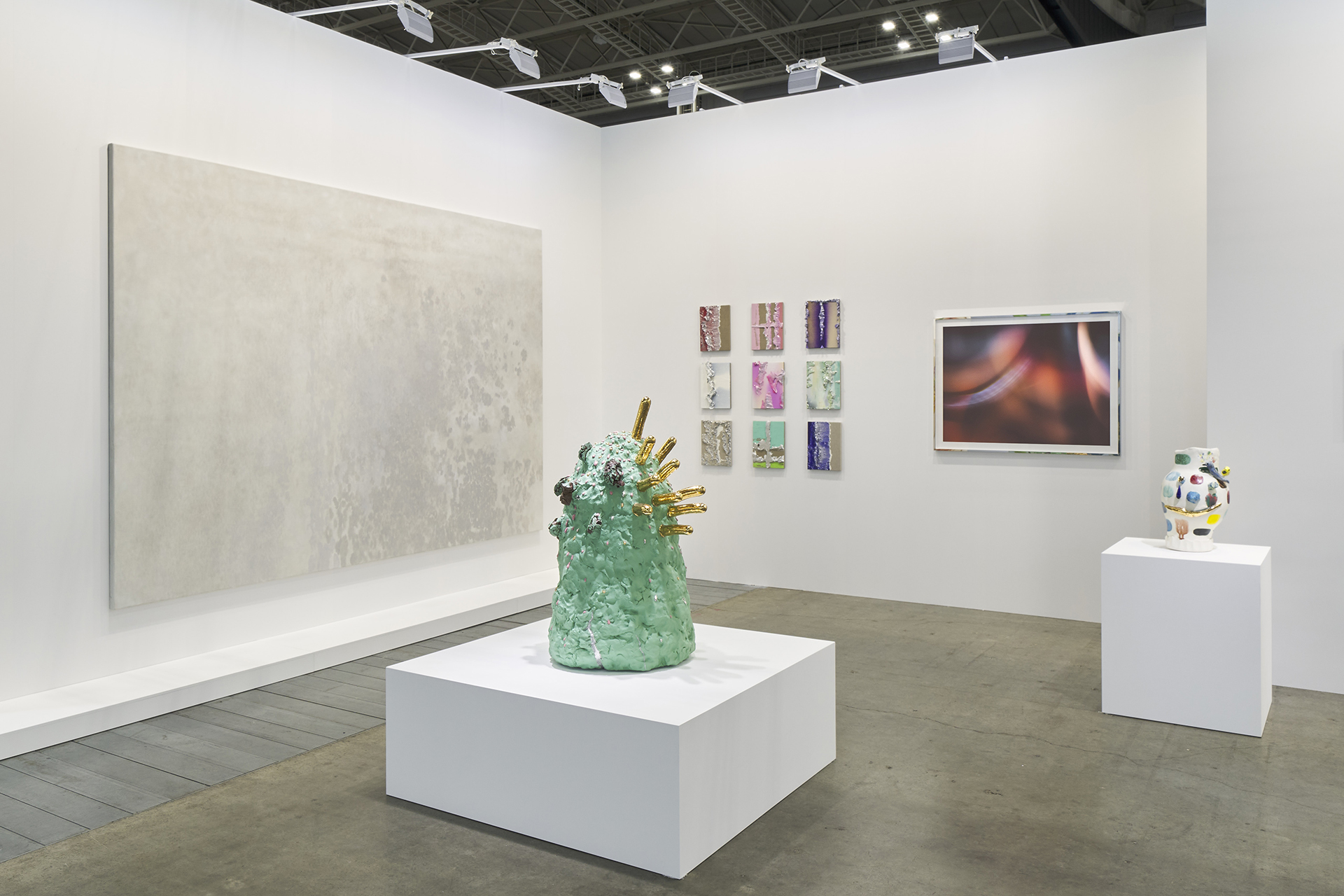
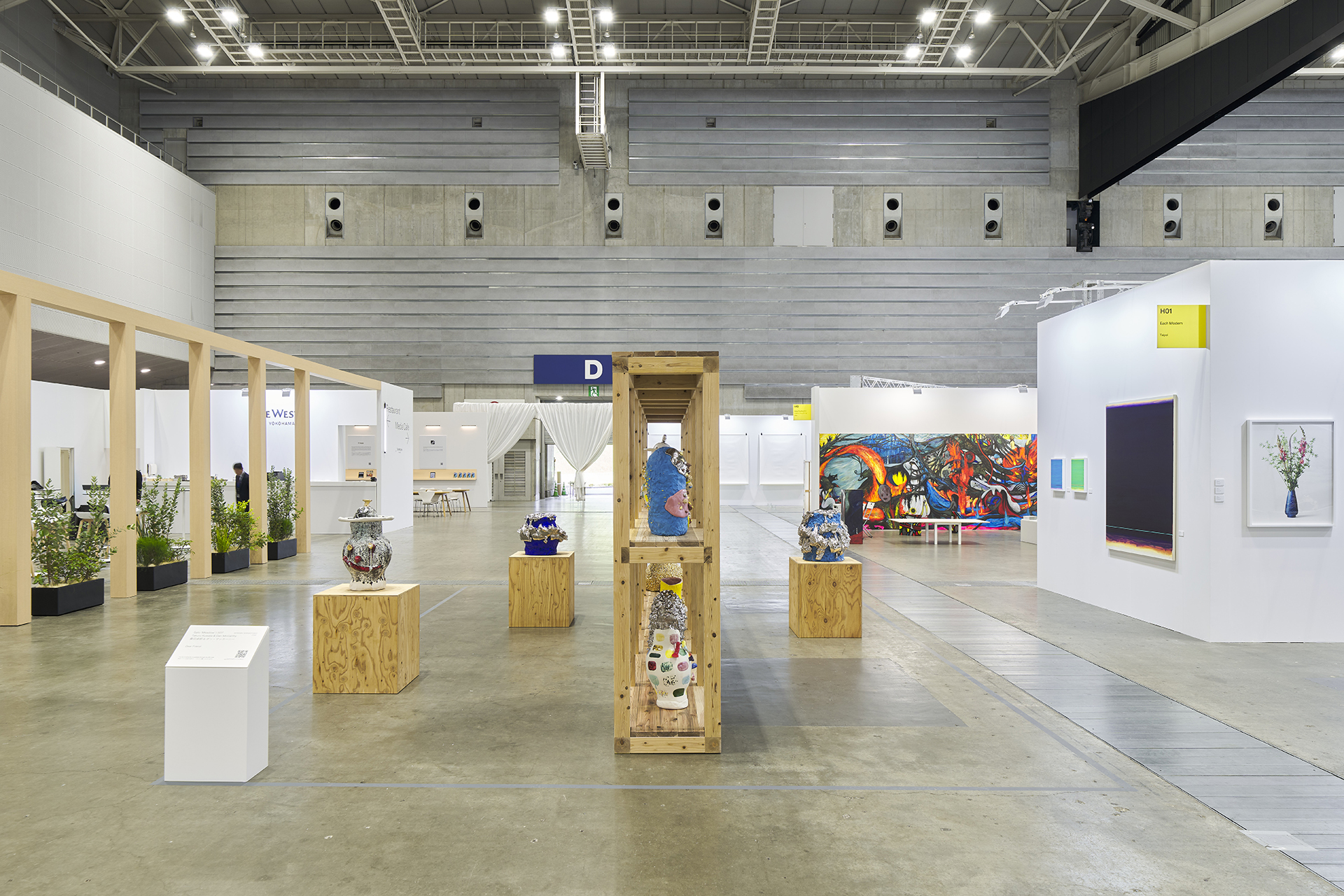


KOSAKU KANECHIKA is pleased to present works by eight artists – Yutaka Aoki, Junko Oki, Takuro Kuwata, Yosuke Takeda, Ryu Takeda, Noritaka Tatehana, Hiroto Tomonaga, Dan McCarthy – at Tokyo Gendai 2025 from September 12 to September 14, 2025.
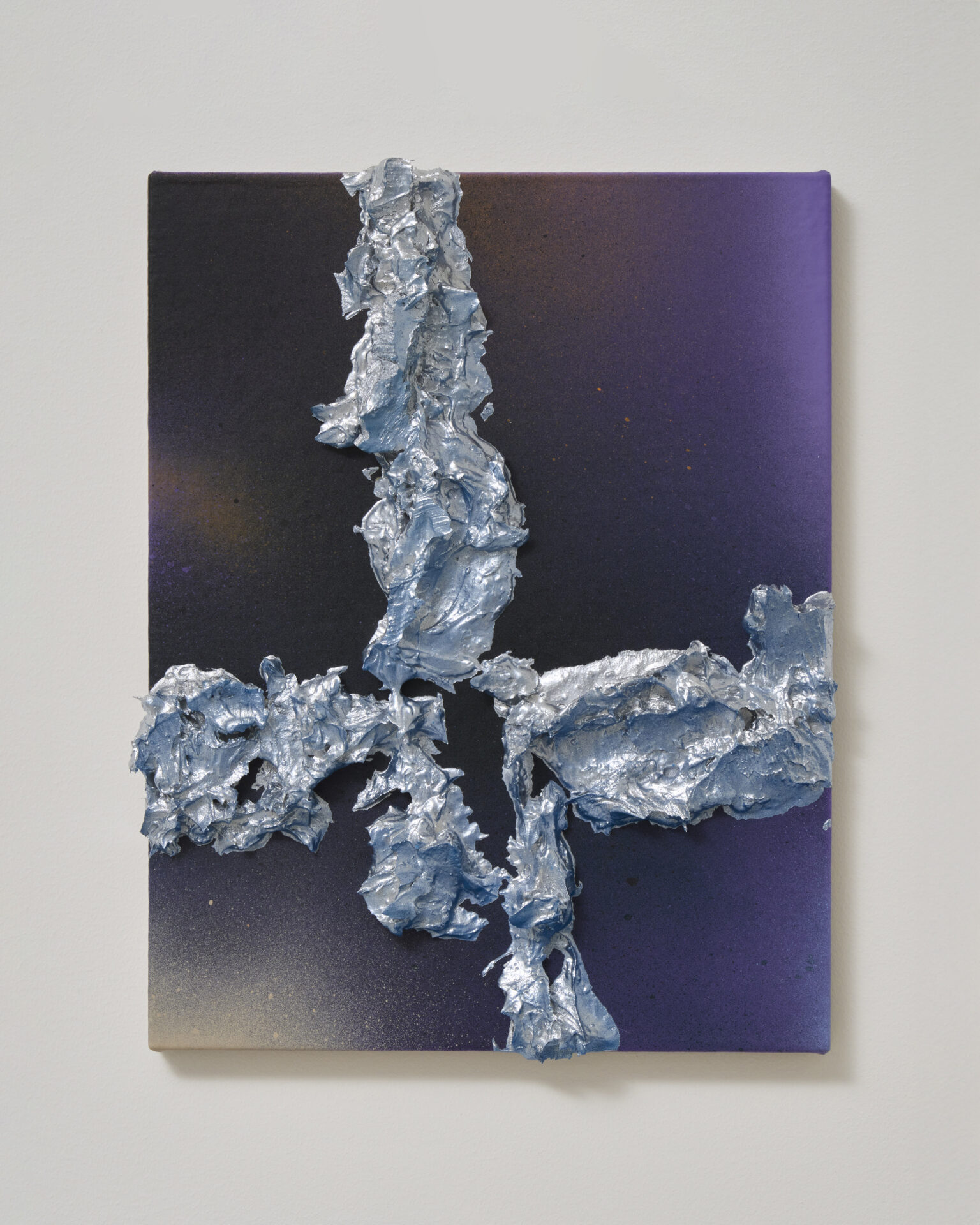
Yutaka Aoki expands the scope of painting through an examination of the relationship between painting and the surrounding world, and through the many new possibilities that are born from that exchange. This exploration results in works that migrate freely between two- and three-dimensionality, and in works that respond not only to the material and production process, but also to their relationship with the audience’s gaze. Aoki’s approach also seeks to capture the ever-changing countenance of paintings, articulated as single moments along the axis of time. By repeated experimentation and the application of newly discovered processes, Aoki is continually rediscovering painting itself.
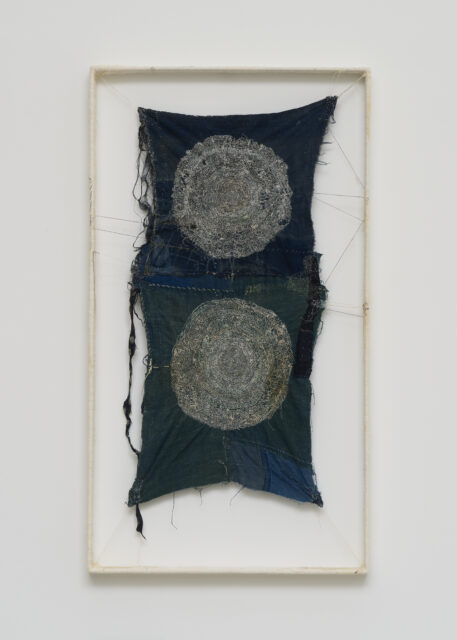
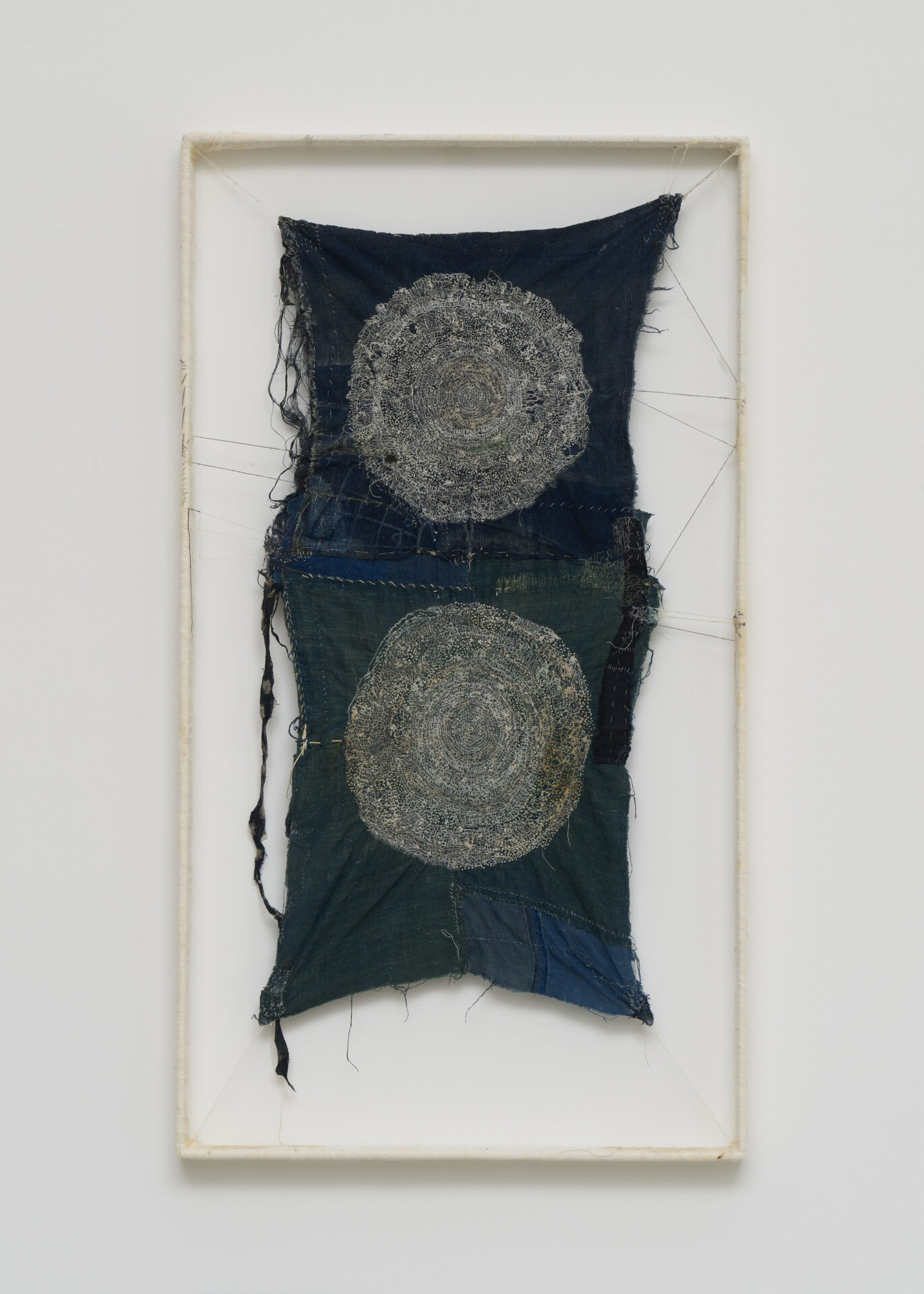
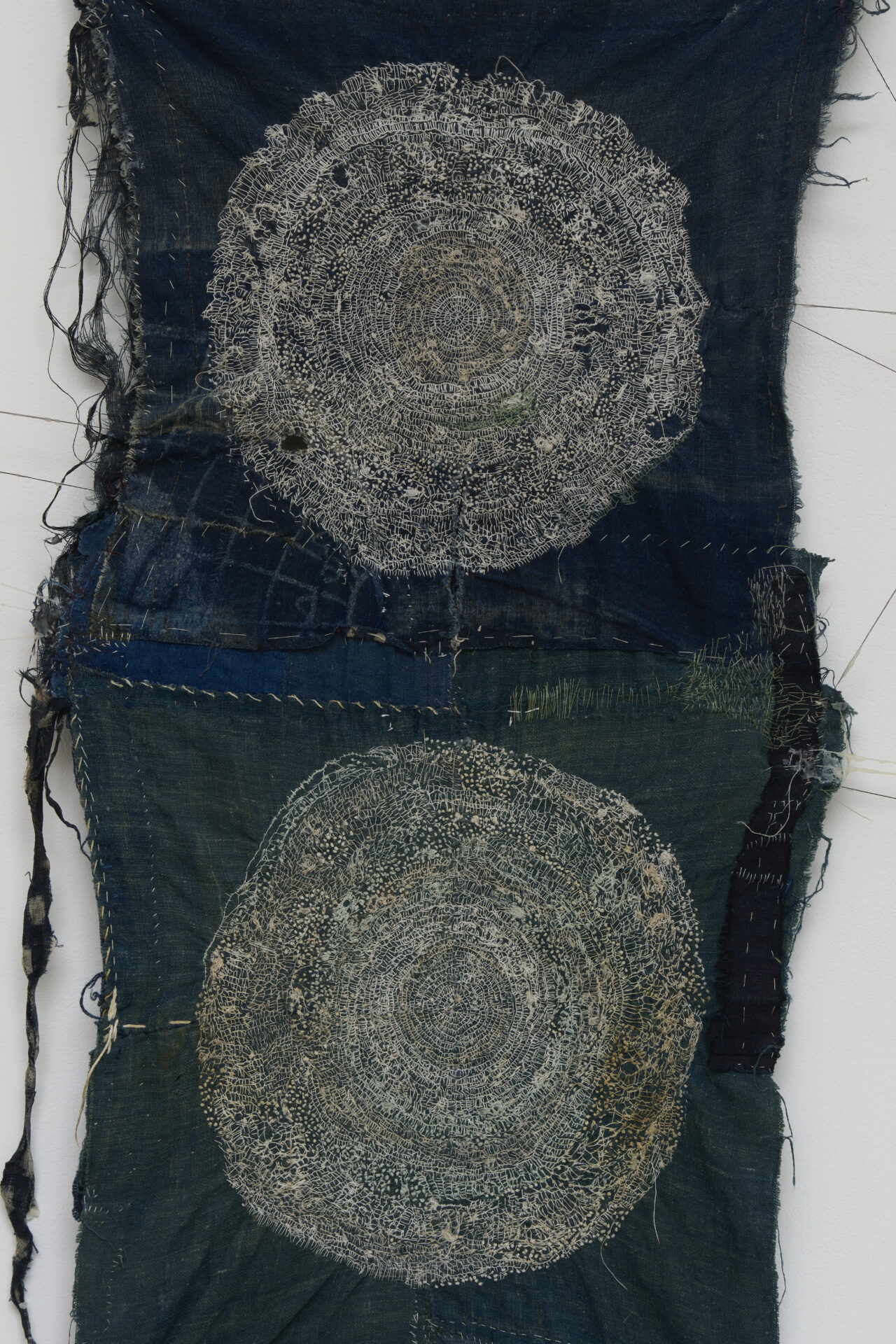
Junko Oki engraves stories of life onto textiles, with each stitch placed meticulously by hand. Without the guide of an underdrawing, she creates unique motifs and patterns by freehand stitching and by rejecting the structured tradition of embroidery. Although her works display seemingly rudimentary techniques, the artist’s instinctive approach awakens a visceral reaction in viewers. Through her unique embroidery and careful attention, Junko Oki breathes new life into aged textiles, frames, and other objects. These objects, with years of stories already embedded into them, are revived by Okiʼs hand through a series of attentive stitches. They include everything that came into being, and chronologies that once existed but are now gone. At the core of Okiʼs creative process is a discovery of new horizons through layered impressions of time.
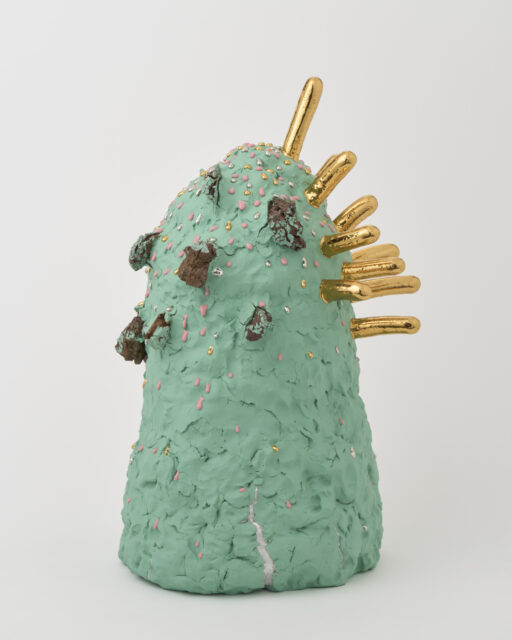
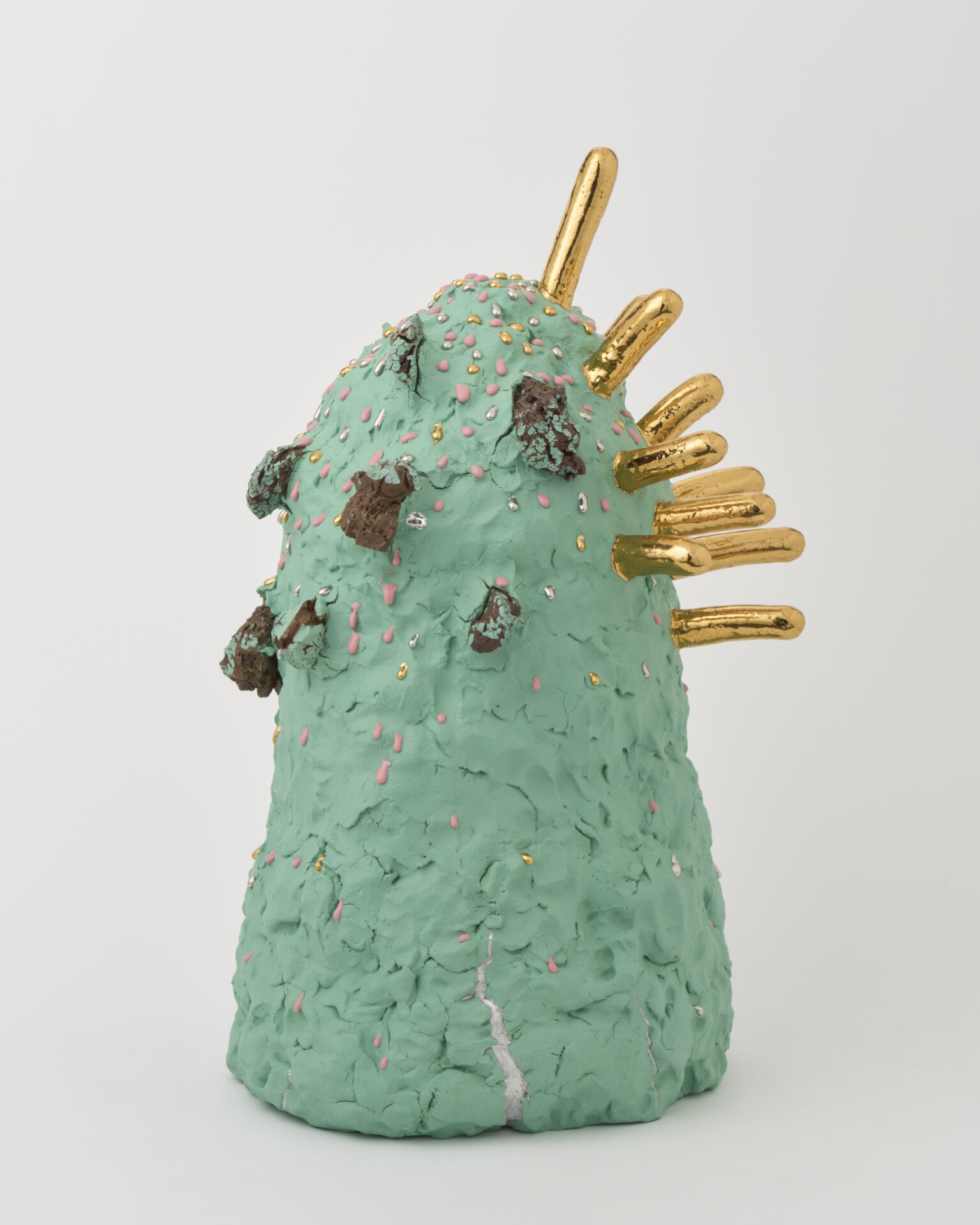
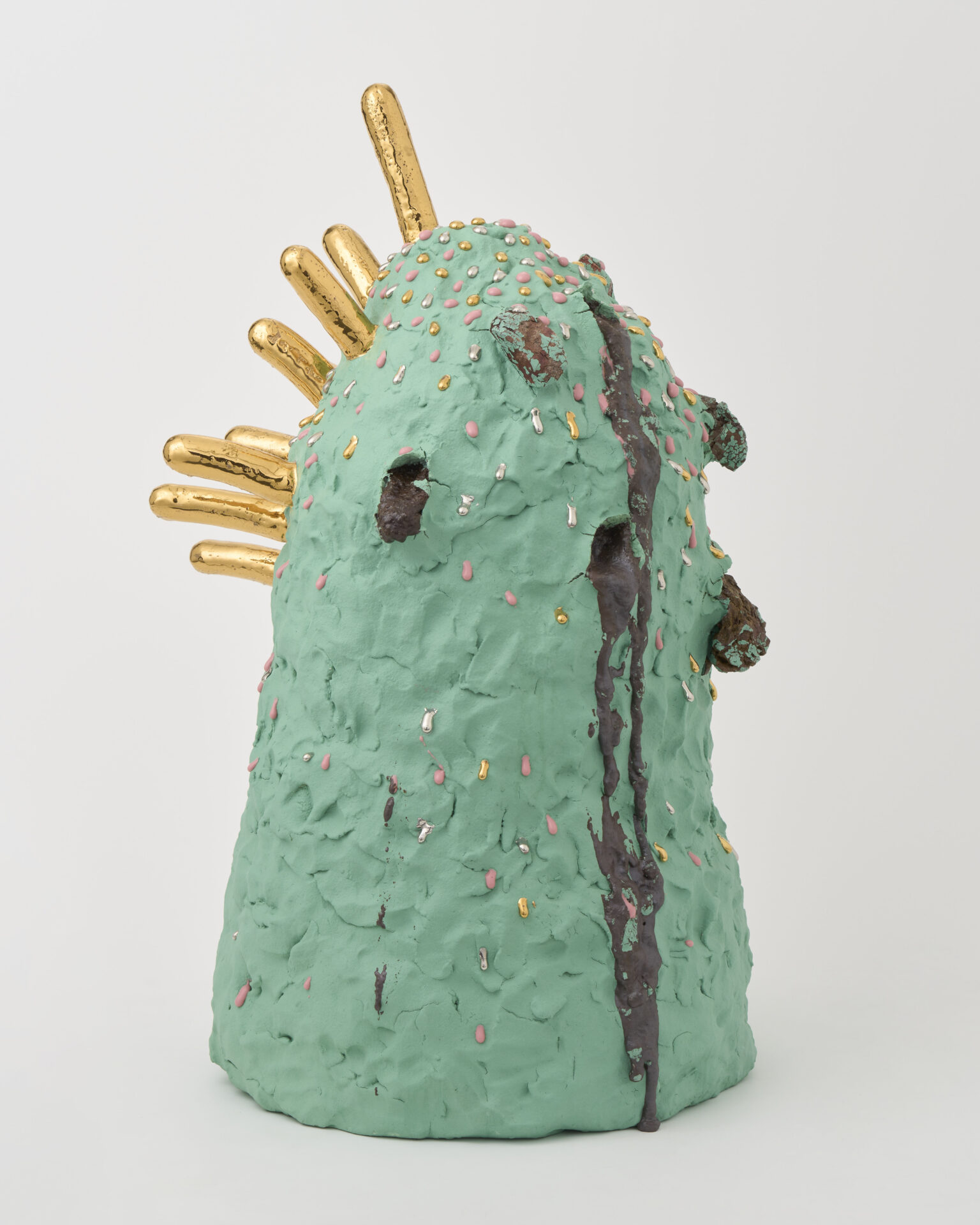
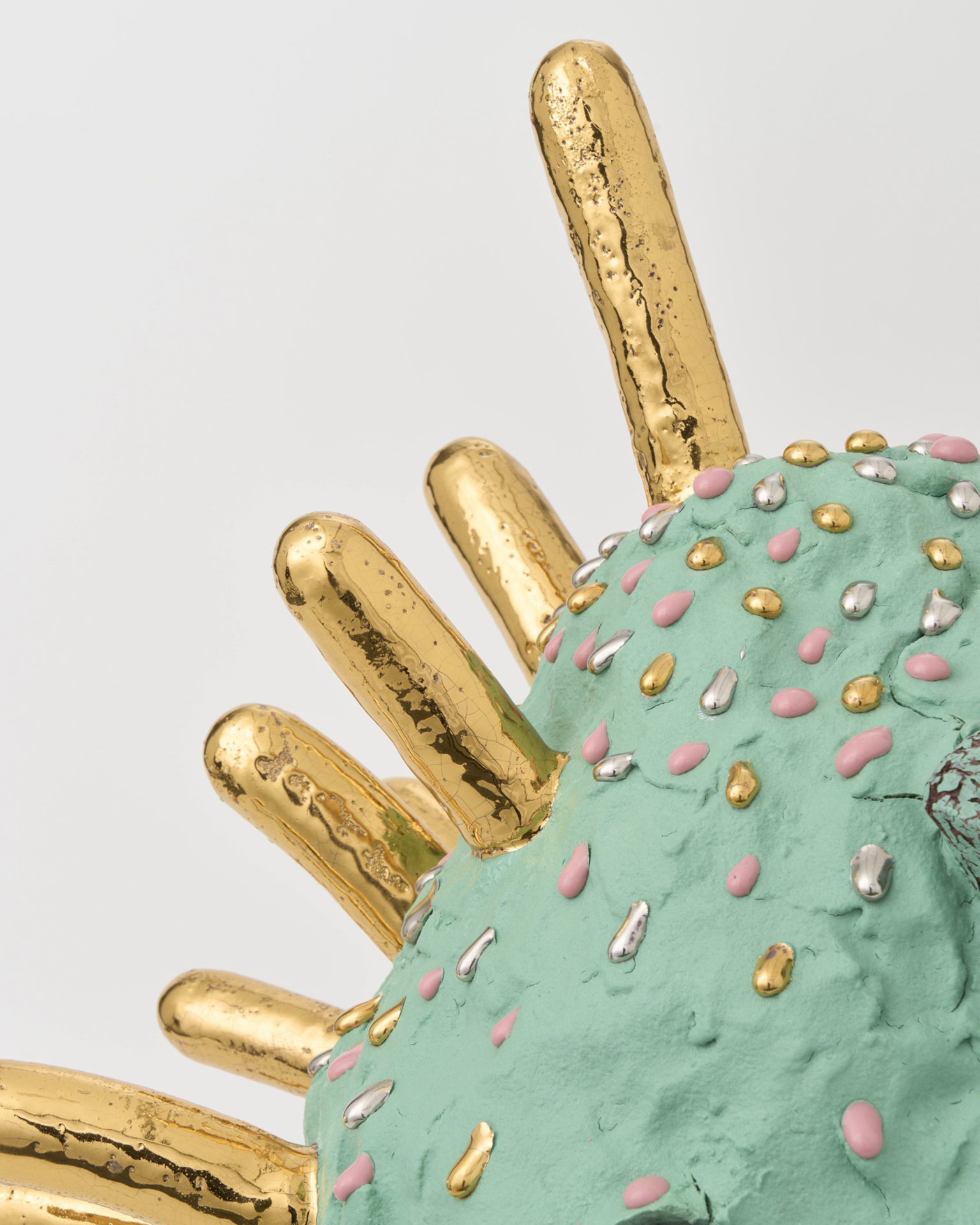
Takuro Kuwata has rapidly expanded the possibilities of ceramic art by creating works of an unparalleled nature that have been exhibited globally in Brussels, London, and New York. Kuwata’s contemporary visual language, which utilizes techniques of traditional Japanese pottery such as kairagi and ishihaze in a novel manner, has garnered international acclaim. Situated at the heart of Japanese ceramic artistry, Kuwata’s studio in the Mino region of Gifu retains history and techniques dating back to feudal Japan. Inheriting the traditional tea ceremony aesthetic of wabi-sabi, his works embrace imperfect beauty and natural forms that are celebrated in the preservation of a rustic, unrefined elegance. Through dialogue with the environment, history, nature, and time, Kuwata fuses together elements of tradition and modernity.
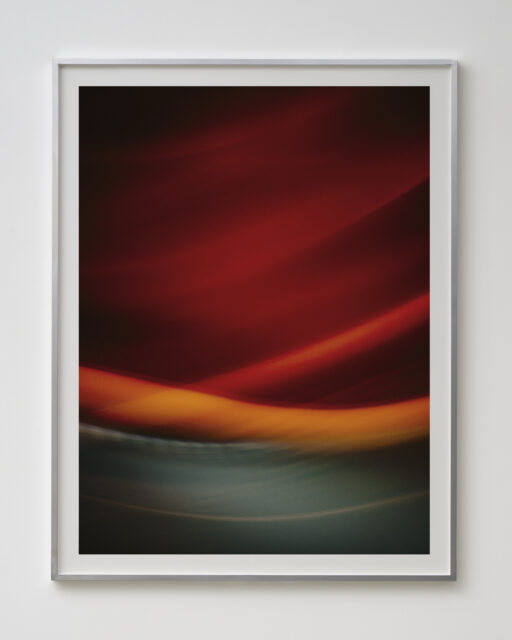
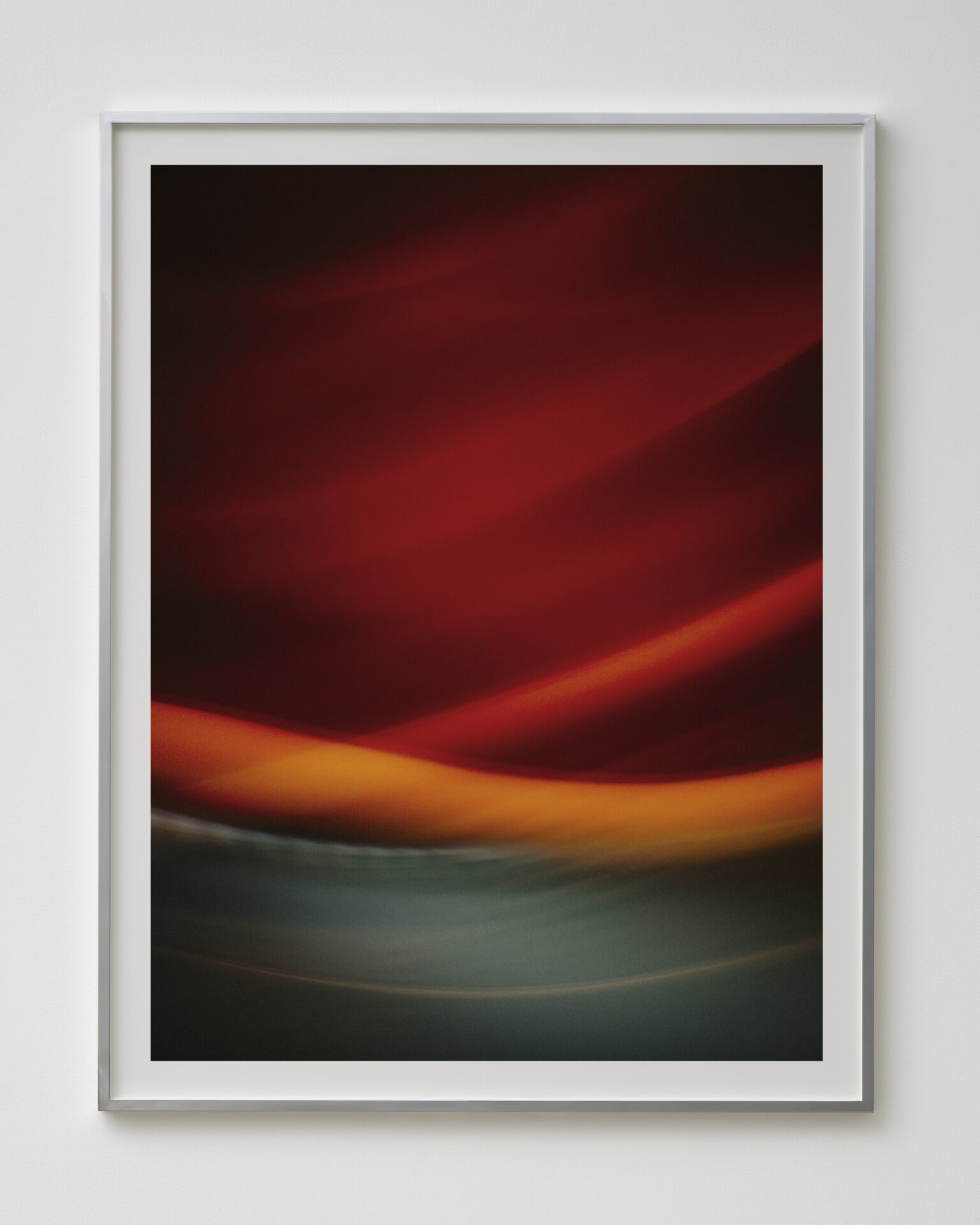
In his practice, Yosuke Takeda investigates what is possible with the medium of photography. In his acclaimed “Digital Flare” series, he captures the phenomenon of flares that appear when a digital camera is facing a strong light. Rather than a genuine subject captured by the camera’s system, a flare is something that emerges from the relationship between the subject and the system, the light that floods the interior of the camera frame. Describing the phenomenon generated by his process, Takeda says that it is “evidence of its means, and is a mark of its existence.” He relativizes the premise that in photography the subject exists outside the camera’s system, being something that is objectified, with its image captured by the camera. His practice, in which he takes as his subject “the complex relationship between the means (camera) and the purpose (subject),” produces works that build on various types of experimentation conducted throughout the history of photography, as well as being beautiful, powerful, and intense.
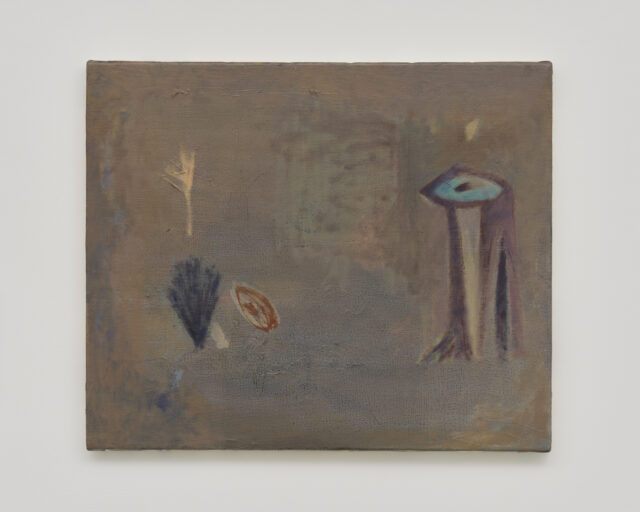
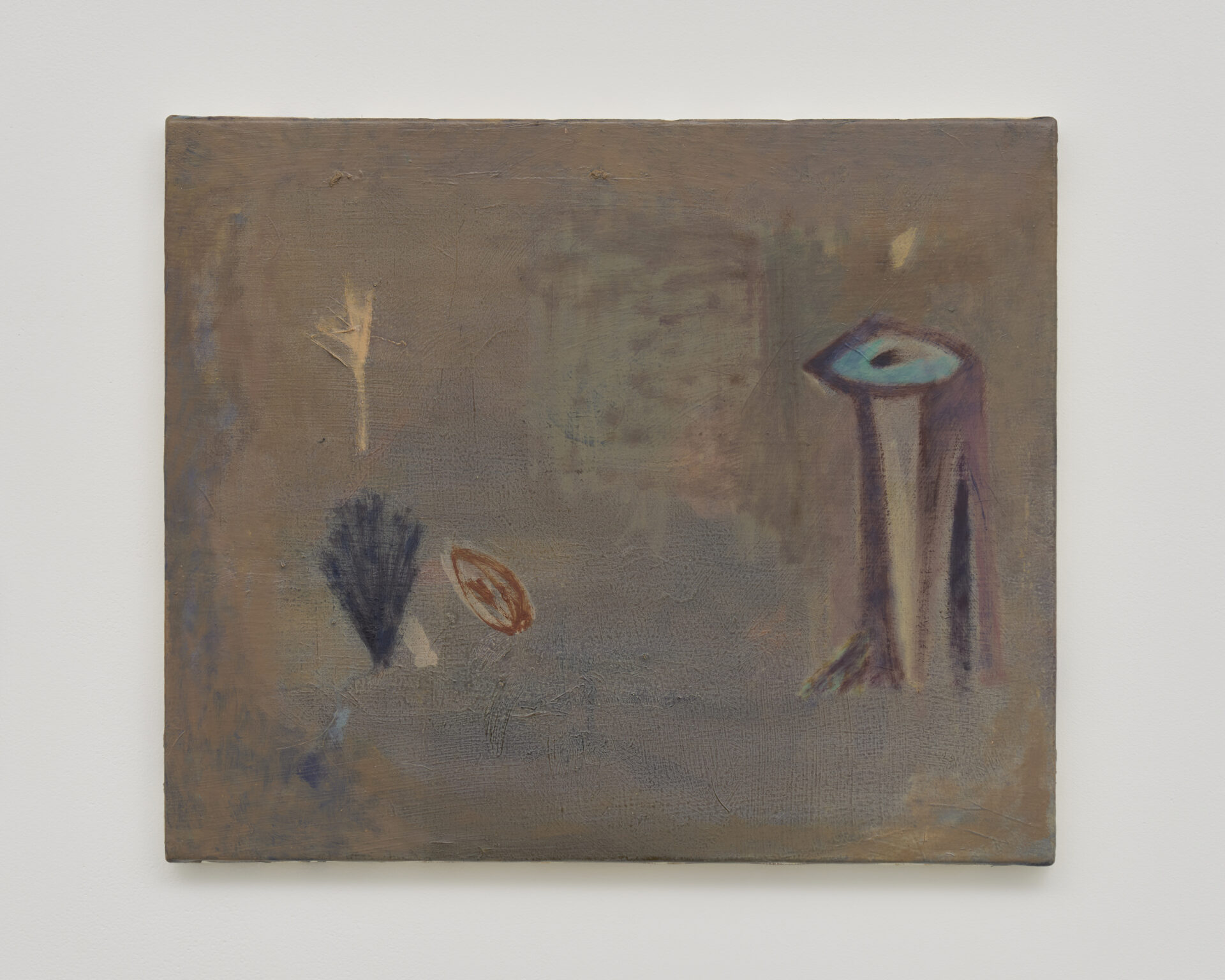
Ryu Takeda’s paintings evoke the imagery of accidental stains or scars. He remarks that the memories and characteristics of the rural forests from his childhood are expressed not only through his sight, but through sound, smell and touch. Takeda, who often compares the act of painting to an excavation, paints as if to unearth the unconscious realm that has been lost through verbalization and classification.
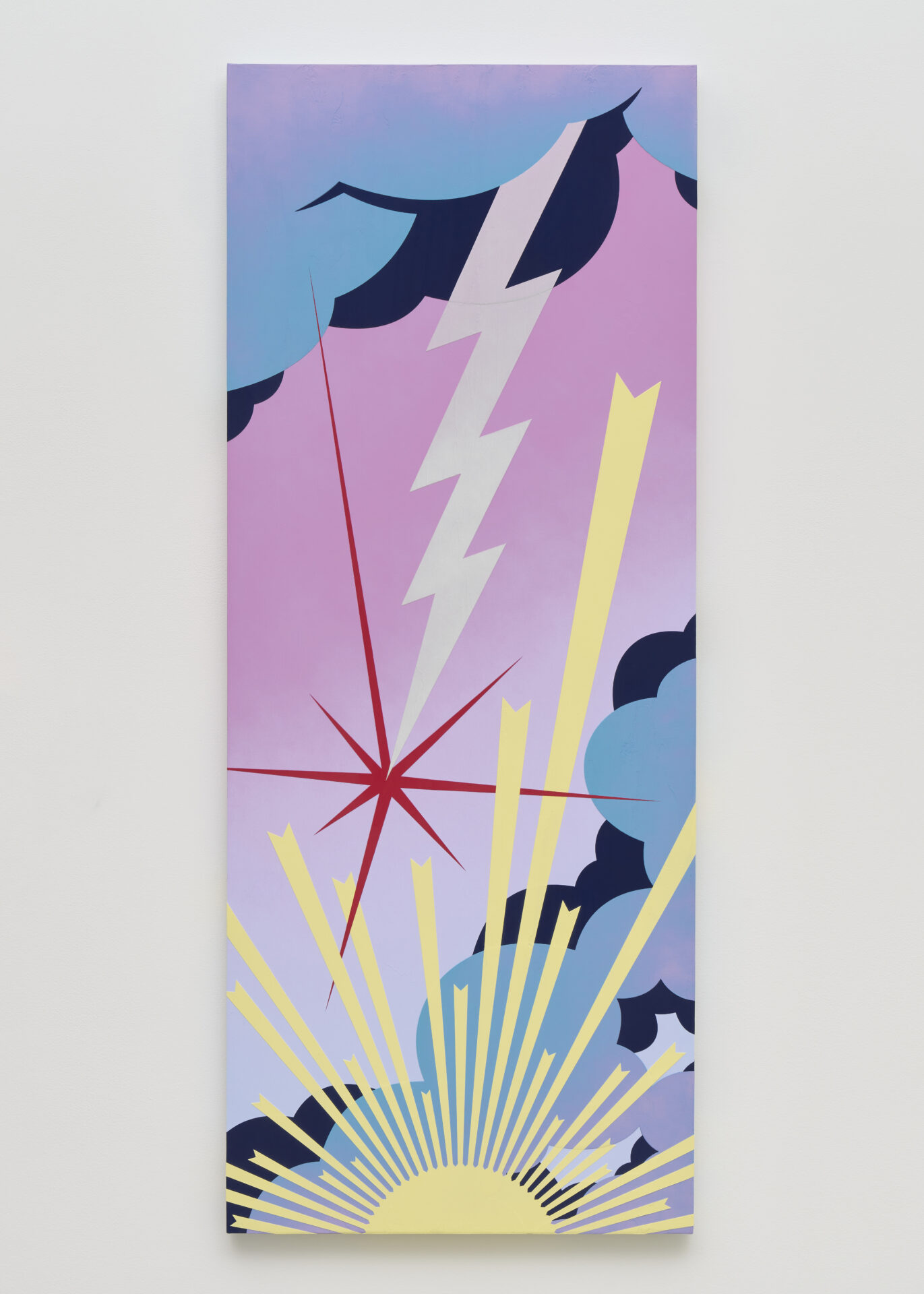
Noritaka Tatehana presents a never-before-seen perspective and worldview by combining elements of traditional Japanese culture with values of the contemporary world. His carefully honed artistry is elegantly expressed throughout his various mediums. Nurturing the sensitivities of a rich history, mythology, and innovation, Tatehana’s work brims with his potential and hopes for the future. The artist is renowned for his trademark works titled “Heel-less Shoes,” which are inspired by the elevated wooden clogs worn by traditional Japanese courtesans. These works have attracted global recognition since being worn by celebrities including Lady Gaga. To date, Tatehana’s work has been collected by institutions such as the Metropolitan Museum of Art in New York, and the Victoria & Albert Museum in London.
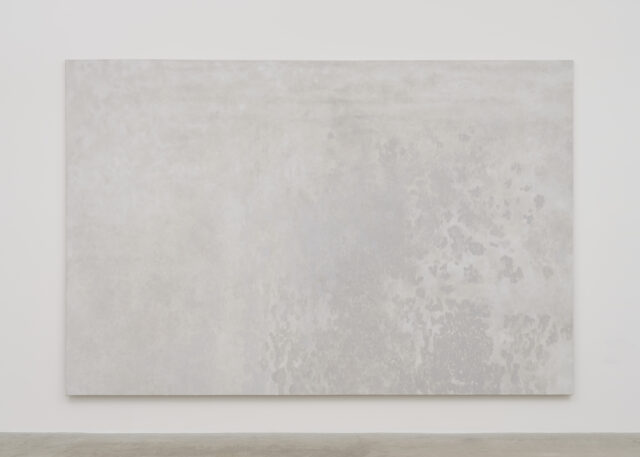
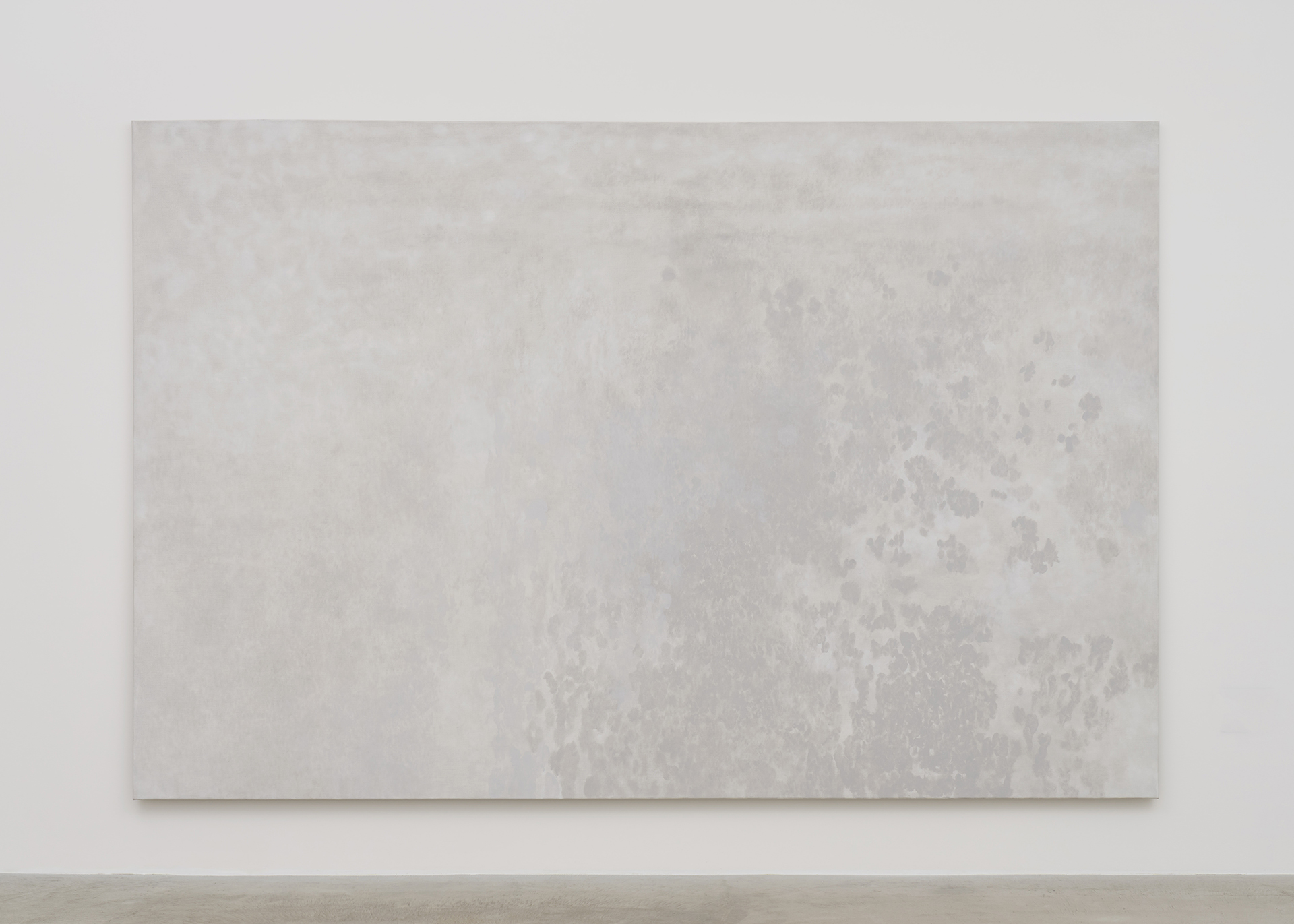
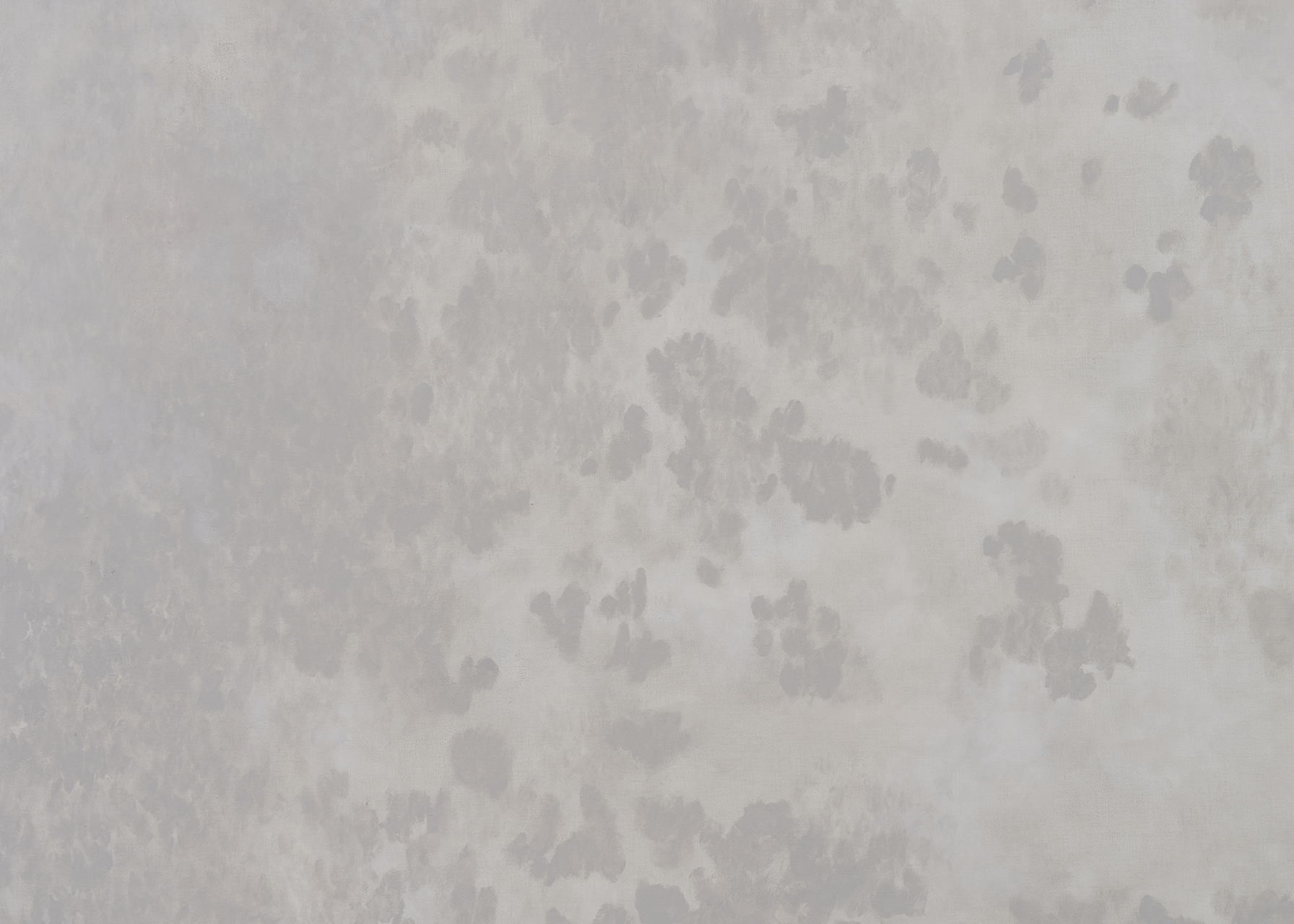
Hiroto Tomonaga captures transitory moments in which things he is looking at ever so briefly appear to him as something else, and strives to render this in painting. He plays with shifts in perception, the way vision alternates between foreground and background, or interprets one thing as another, all of which is similarly echoed in the repetitive back and forth in his layering, removing, and mark making with paint. In this way, the changes that occur before his eyes gradually translate into paint on the canvas, becoming fixed on the surface. Working with subject matter close to himself, this process is a means for Tomonaga to ruminate on distance and depth, both physical and emotional. While the resulting paintings are fixed, they feel as if they might resume moving once again, and express the sense of helplessness the artist himself feels regarding the world he sees before him.
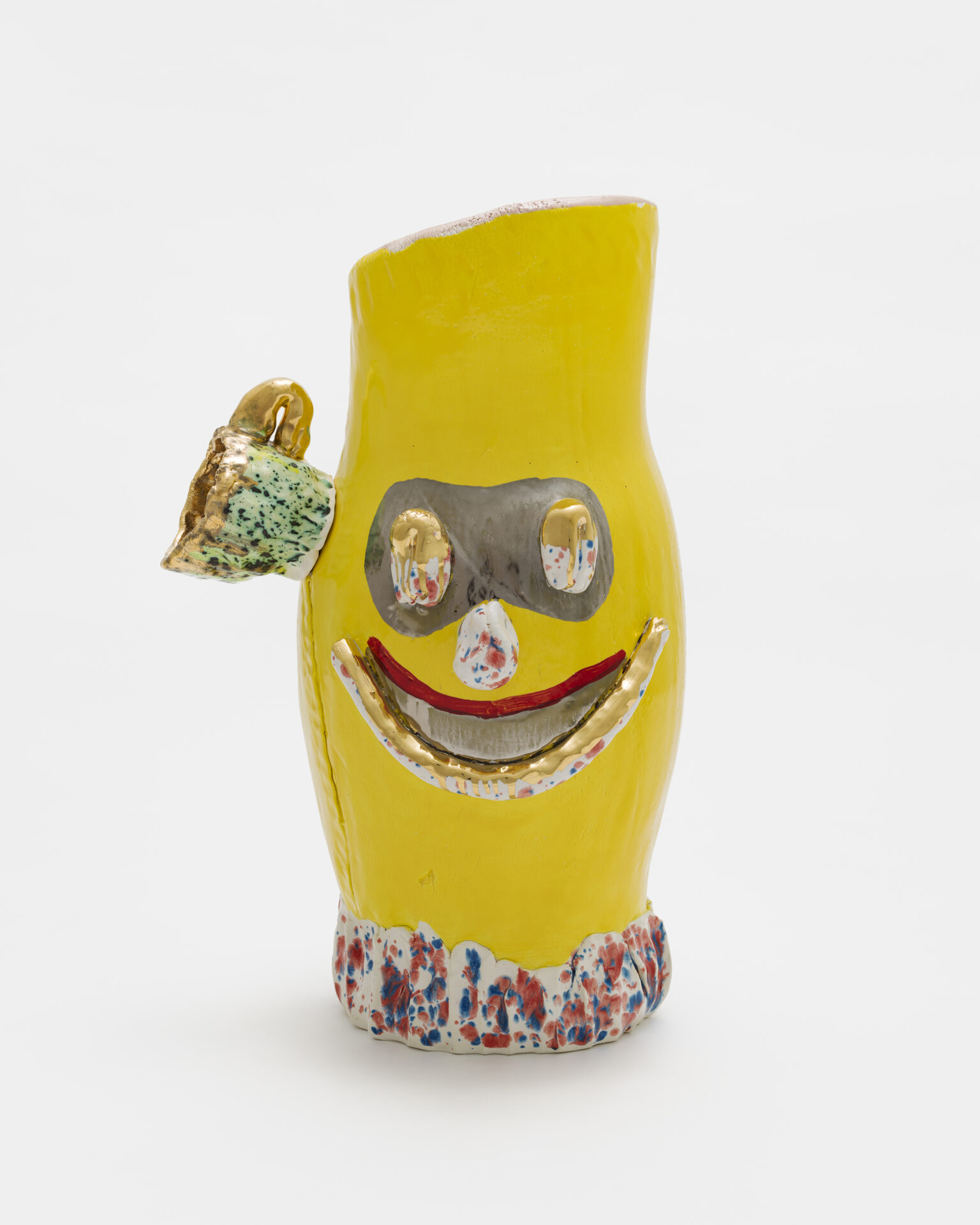
Dan McCarthy has exhibited his work globally throughout a career that has spanned over three decades. In addition to his two-dimensional works, such as his paintings and drawings, McCarthy produces his iconic “Facepot” series, which features facial motifs on ceramic vessels, with vivid colors, tremendous expressiveness, a familiar feel to them, a sense of primitiveness, and an immediacy that evokes the hand of the artist. In McCarthy’s work, these elements merge together to create an immediate experience that is not only visual but has a physical, and even emotional, effect on the viewer.
We are also pleased to exhibit a dual presentation with Takuro Kuwata and Dan McCarthy in the Sato section. The project, “Dear Friend”, spotlights an intimate dialogue between two artists working in ceramics that articulates their distinct yet connected approaches to the medium, straddling the abstract and figurative, and contextual differences in the US and Japan. On display will be a variety of sculptures demonstrating instinctual, playful, and dynamic encounters with clay.
Approximately 20 works will be exhibited at the Galleries booth, and around 15 works at the “Sato” installation booth.
WORKS
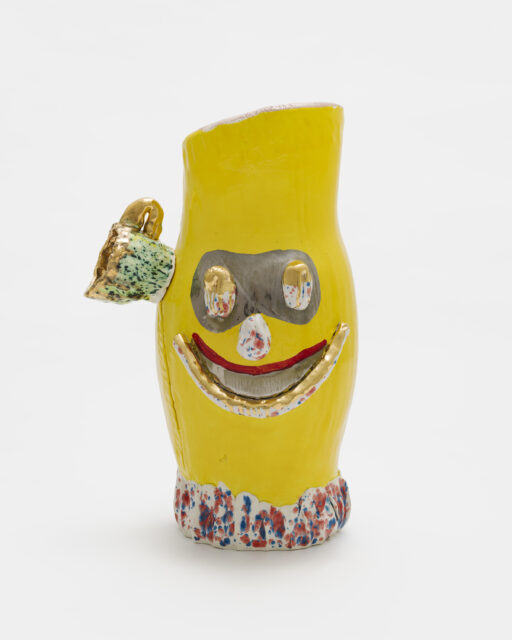
Safflower Sunflower
2016
Dan McCarthy
Safflower Sunflower
2016
Ceramic clay, glaze, enamel paint, gold lustre, silver lustre
h.53.0 x w.34.0 x d.29.8 cm
© 2025 Dan McCarthy
Lightning
2025
Hiroto Tomonaga
Lightning
2025
Oil, wax, tempera on linen mounted on panel
218.2 x 330.0 cm
© 2025 Hiroto Tomonaga


Untitled
2025
Yutaka Aoki
Untitled
2025
Acrylic, spray paint, aluminum paint on canvas mounted on panel
42.0 x 32.7 cm
© 2025 Yutaka Aoki
Untitled
2025
Takuro Kuwata
Untitled
2025
Porcelain, stone, glaze, pigment, gold, platinum
h.96.0 x w.59.5 x d.54.0 cm
© 2025 Takuro Kuwata
m101
2024
indigo 3
2025
Junko Oki
indigo 3
2025
Cotton, linen, silk, bandage, iron, beeswax
90.5 x 50.3 x 4.0 cm
© 2025 Junko Oki
004129
2022
Yosuke Takeda
004129
2022
Lambda print
Image size: 100.0 x 75.0 cm
Paper size: 110.0 x 85.0 cm
© 2025 Yosuke Takeda
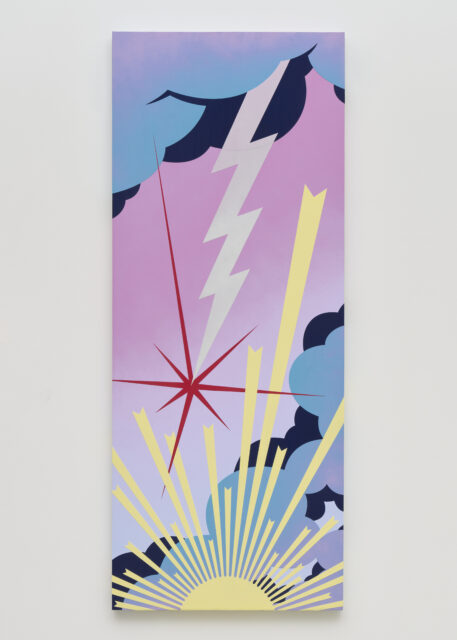
Descending Painting
2025
Noritaka Tatehana
Descending Painting
2025
Acrylic on canvas mounted on panel
150.0 x 60.0 cm
© 2025 NORITAKA TATEHANA K.K.