Location
Taipei Nangang Exhibition Center
No.1, Jingmao 2nd Rd, Nangang District, Taipei City, Taiwan 115
Booth
A01
Artists
Yutaka Aoki
Junko Oki
Takuro Kuwata
Ataru Sato
Chikashi Suzuki
Noritaka Tatehana
fumiko imano
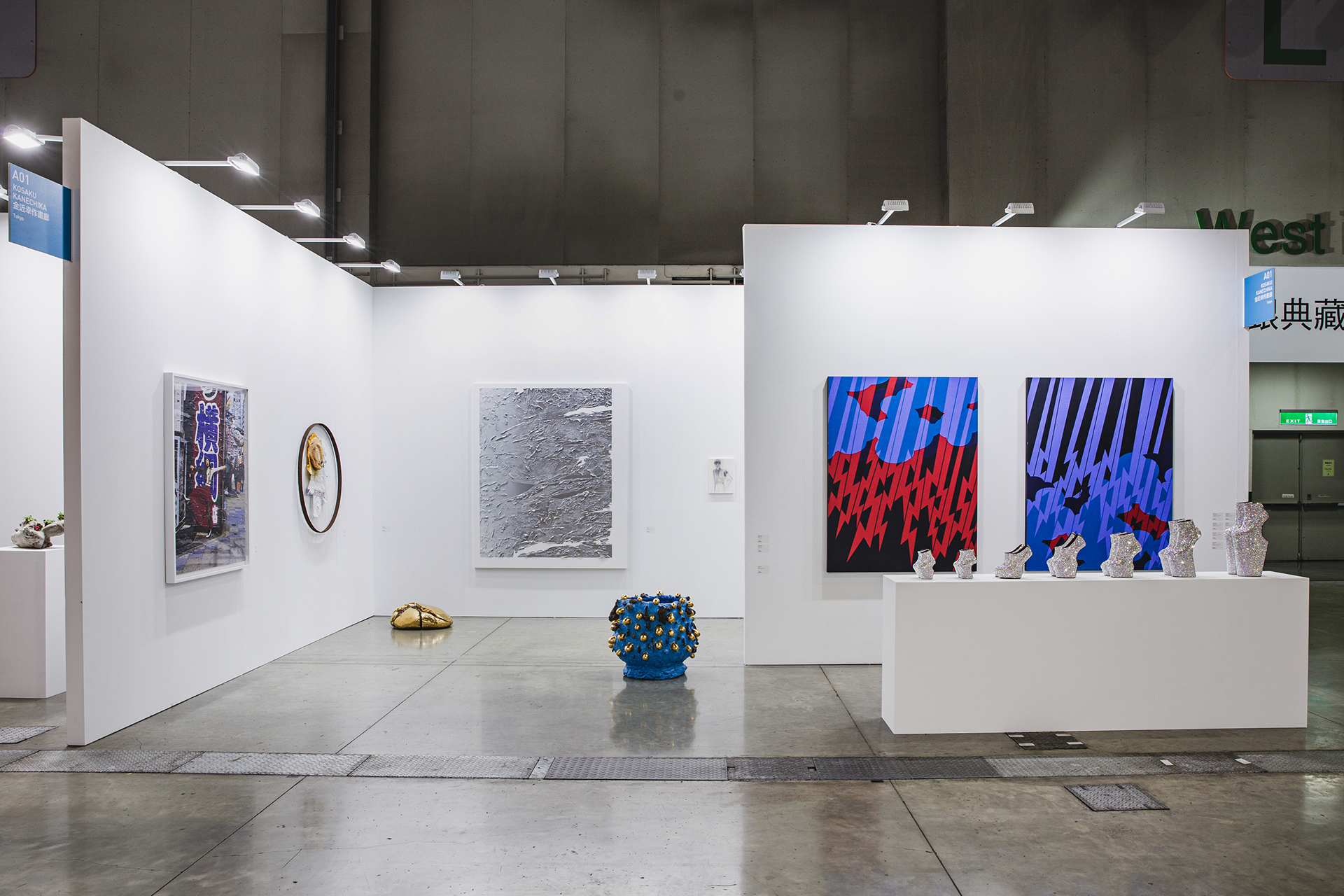
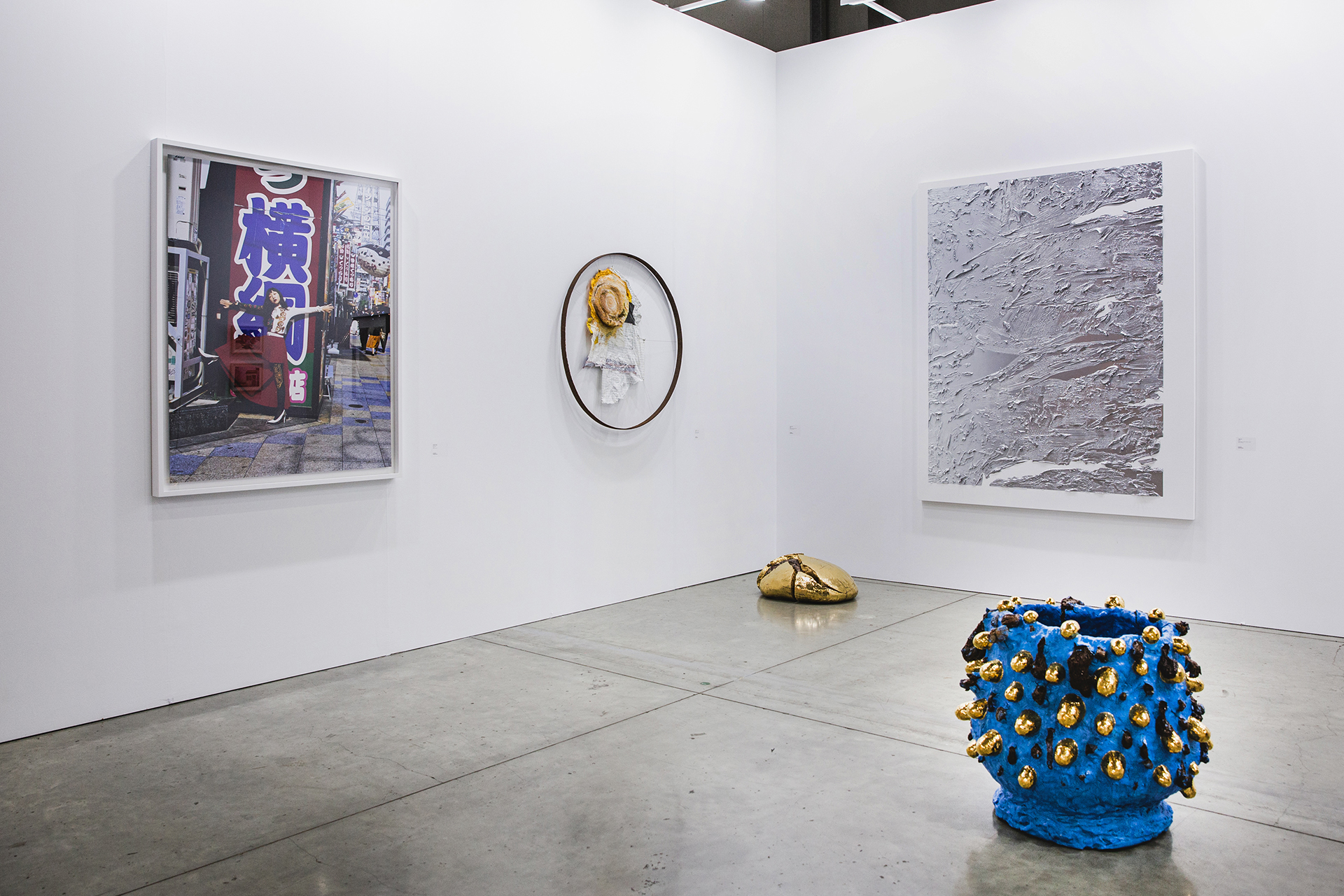
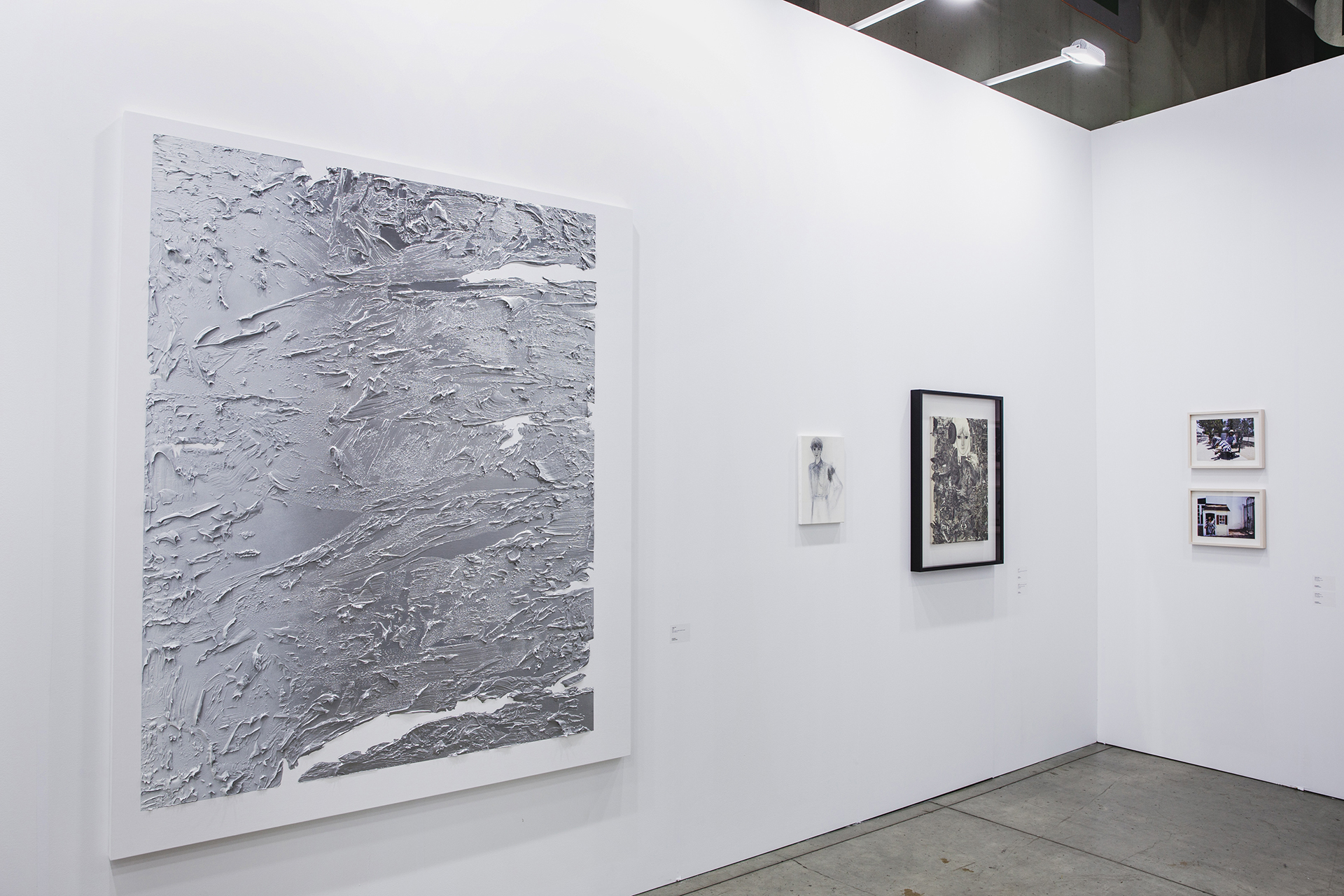
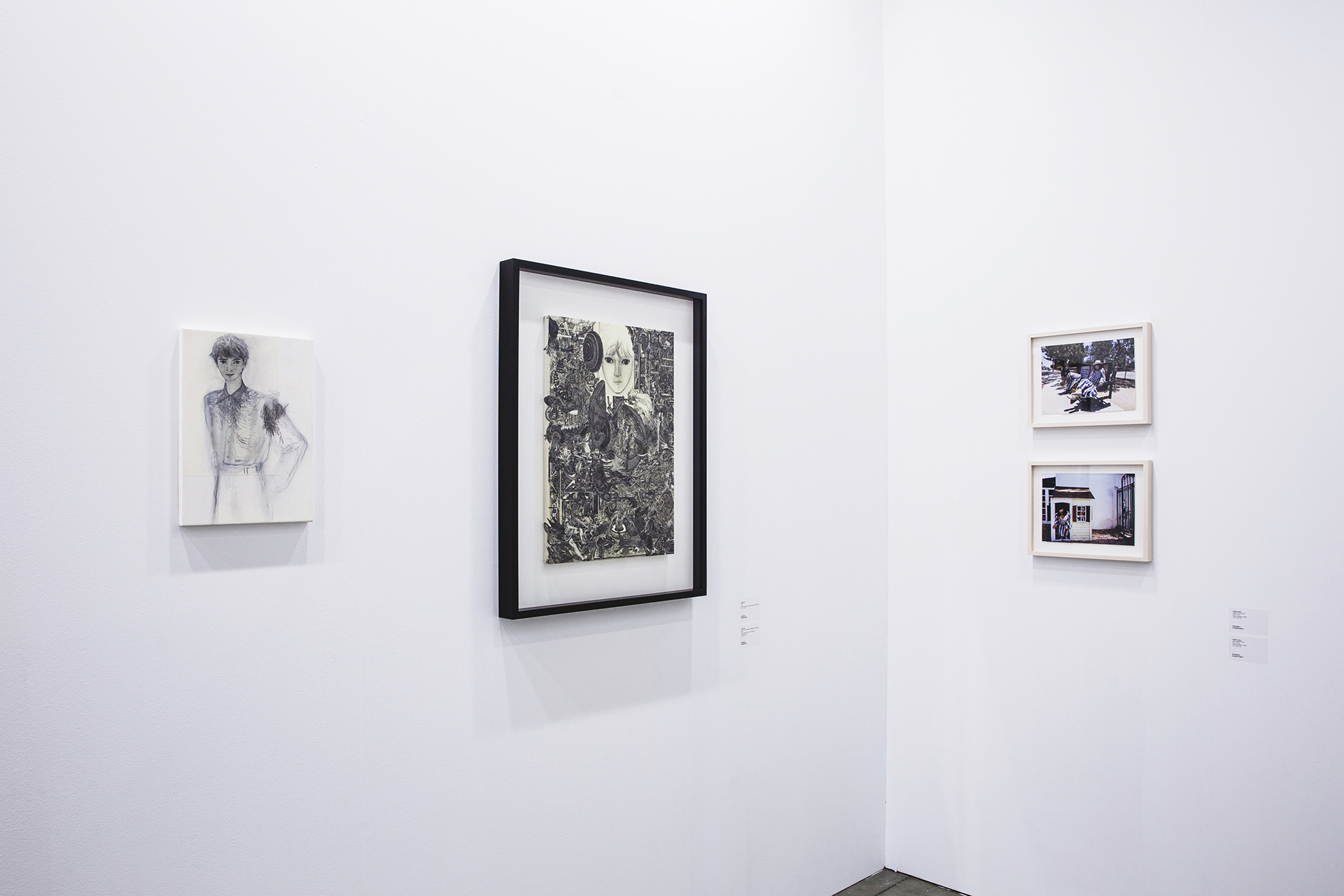
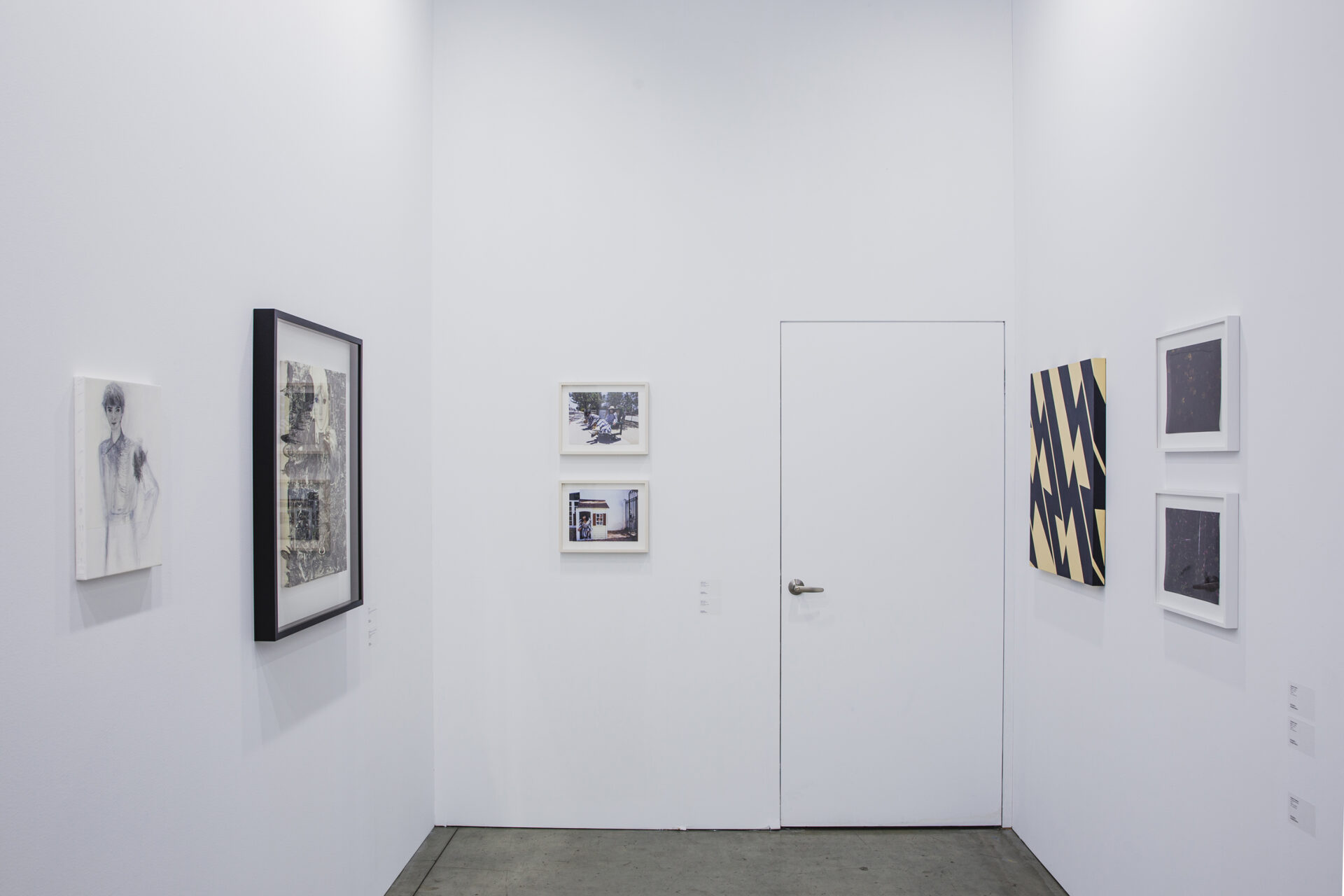
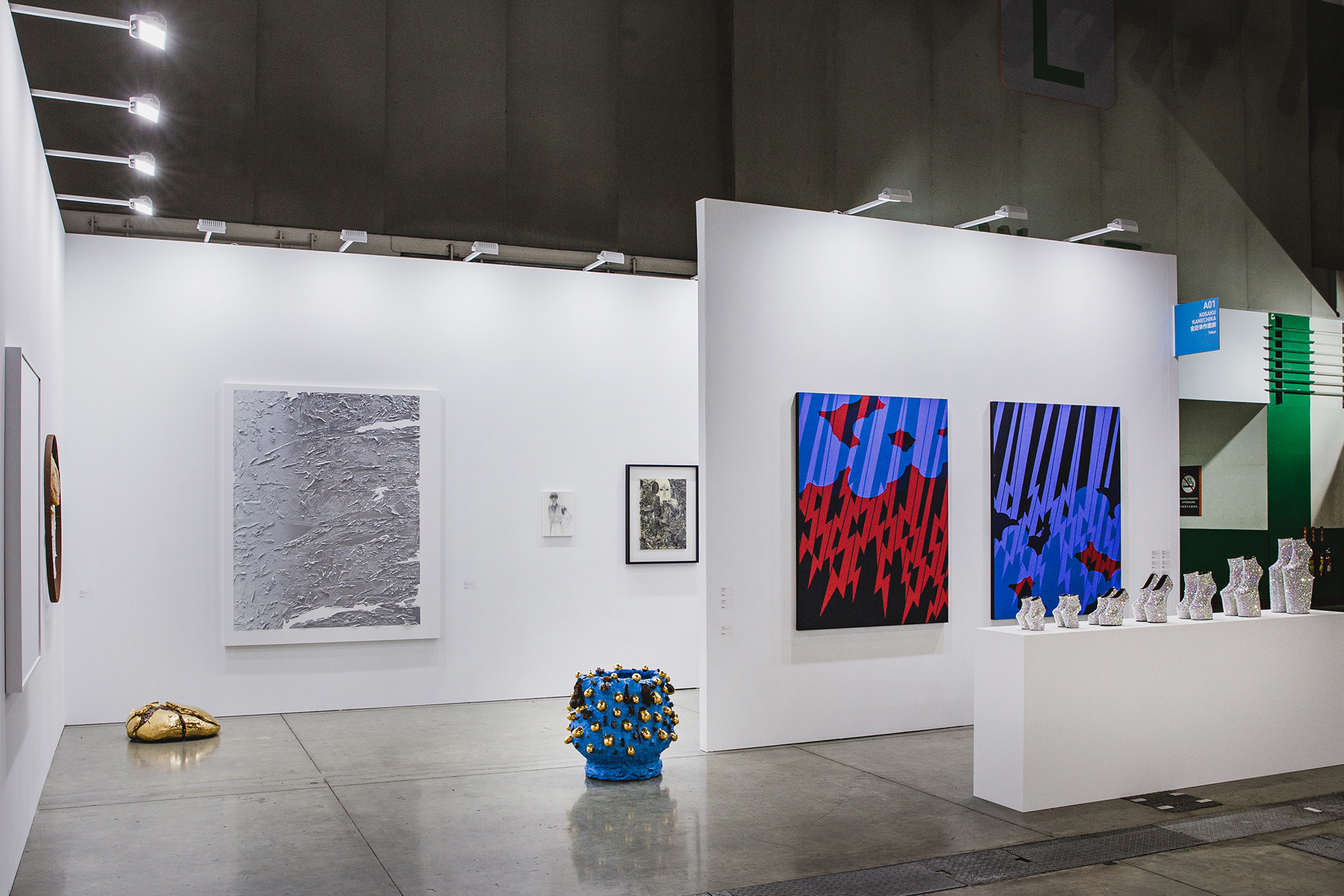
KOSAKU KANECHIKA is pleased to present works by seven artists – Yutaka Aoki, Junko Oki, Takuro Kuwata, Ataru Sato, Chikashi Suzuki, Noritaka Tatehana and fumiko imano – at TAIPEI DANGDAI 2020 from January 17 to January 19, 2020.
Yutaka Aoki uses acrylic paint to create abstract works with substantial impasto to study light and its organic, three-dimensional qualities. Aoki observes light as a multi-faceted element that grants information on the world and is also an indicator of the passage of time. His paintings oscillate between two- and three-dimensionality, and respond not only to materials and production processes, but also to specific elements in their environment, including the relationship with the audienceʼs gaze, the passage of time, and the conditions of the exhibition space. Light imbues his work with an intrinsic richness, providing a visual experience that awakens the natural human senses desensitized by our increasingly digital lives.
Junko Oki engraves stories of life onto textiles, with each stitch placed meticulously by hand. Without the guide of an underdrawing, she creates unique motifs and patterns by freehand stitching and by rejecting the structured tradition of embroidery. Although her works display seemingly rudimentary techniques, the artistʼs instinctive approach awakens a visceral reaction in viewers. Through her unique embroidery and careful attention, Junko Oki breathes new life into aged textiles, frames, and other objects. These objects, with years of stories already embedded into them, are revived by Okiʼs hand through a series of attentive
stitches. They include everything that came into being, and chronologies that once existed but are now gone. At the core of Okiʼs creative process is a discovery of new horizons through layered impressions of time.
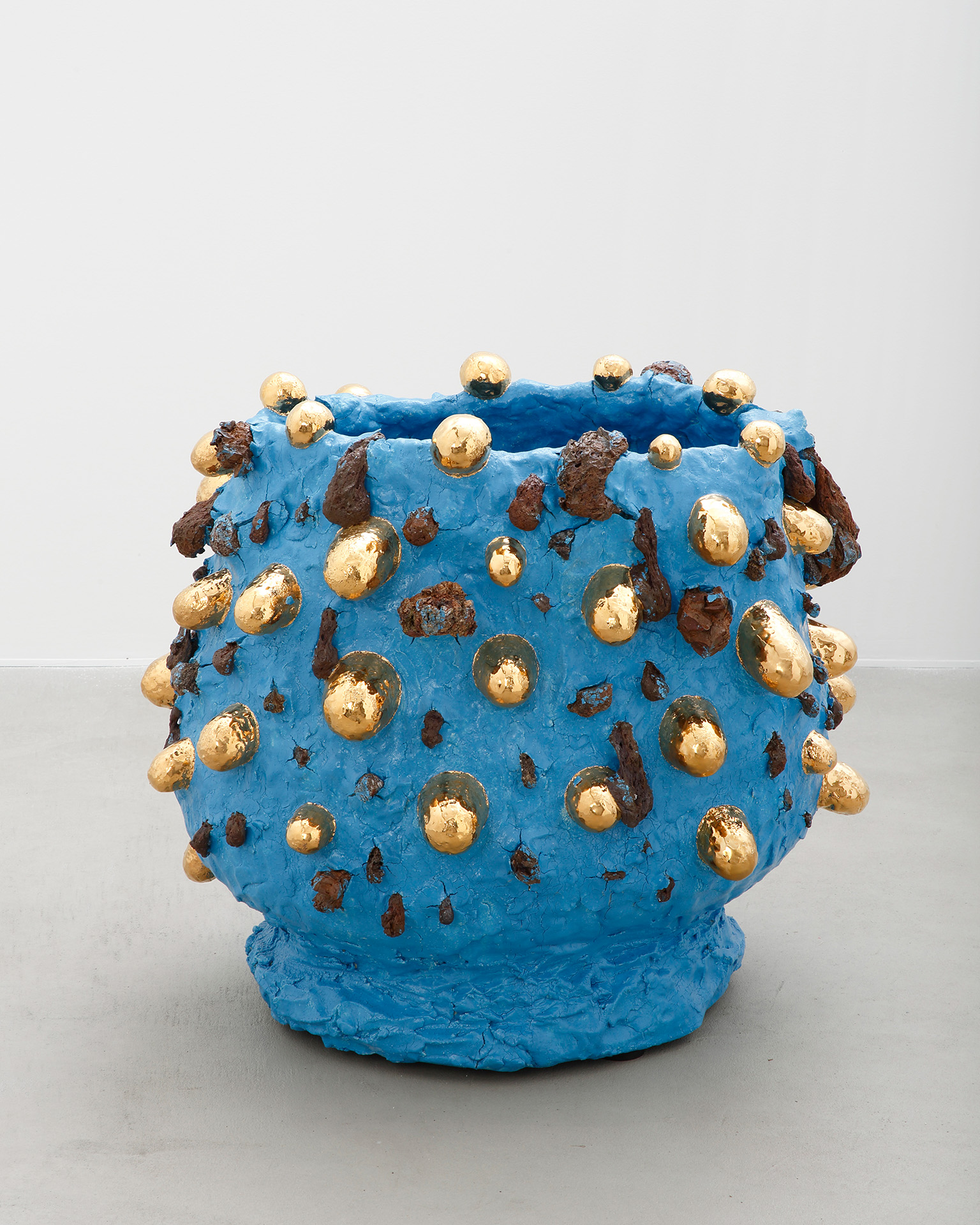
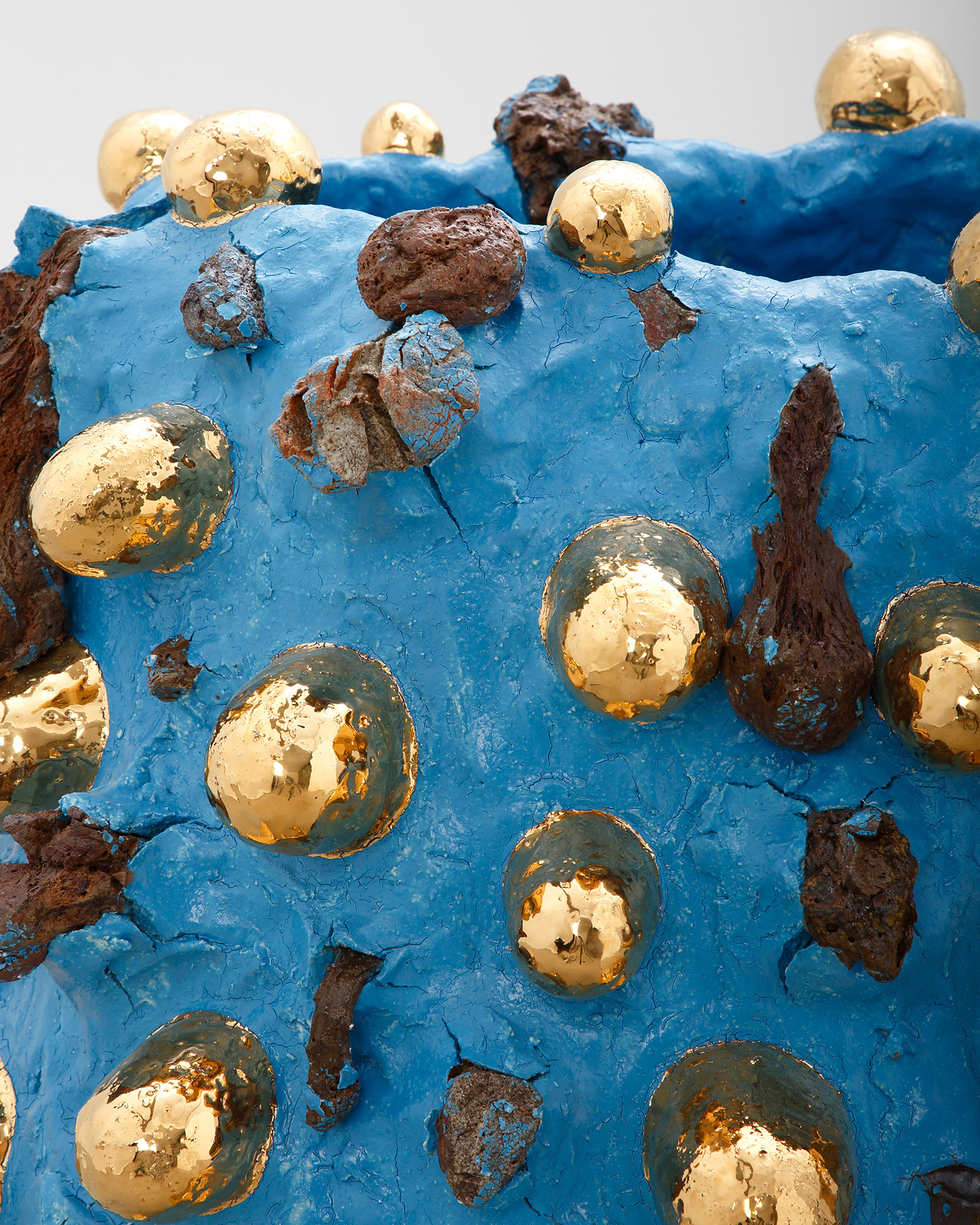
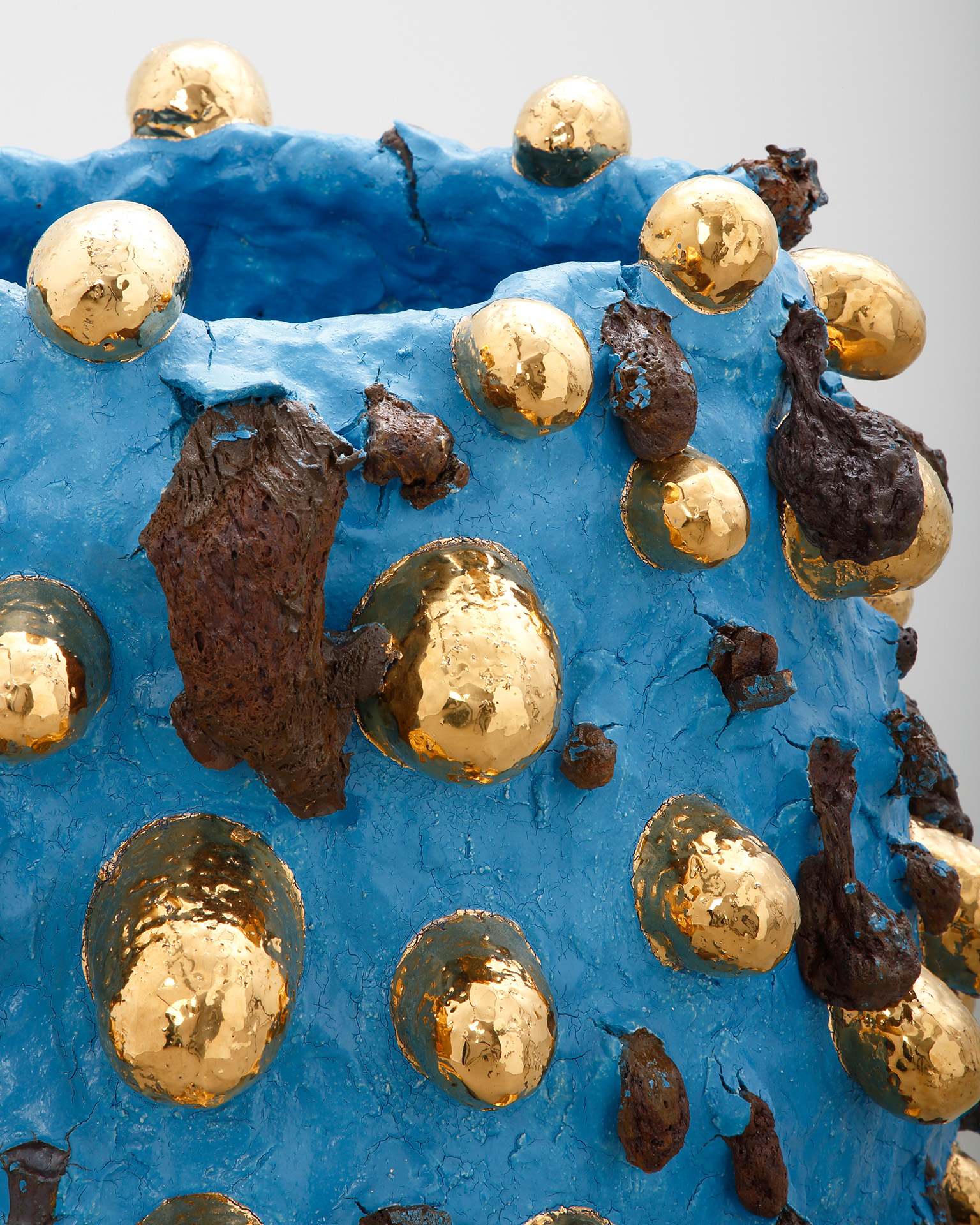
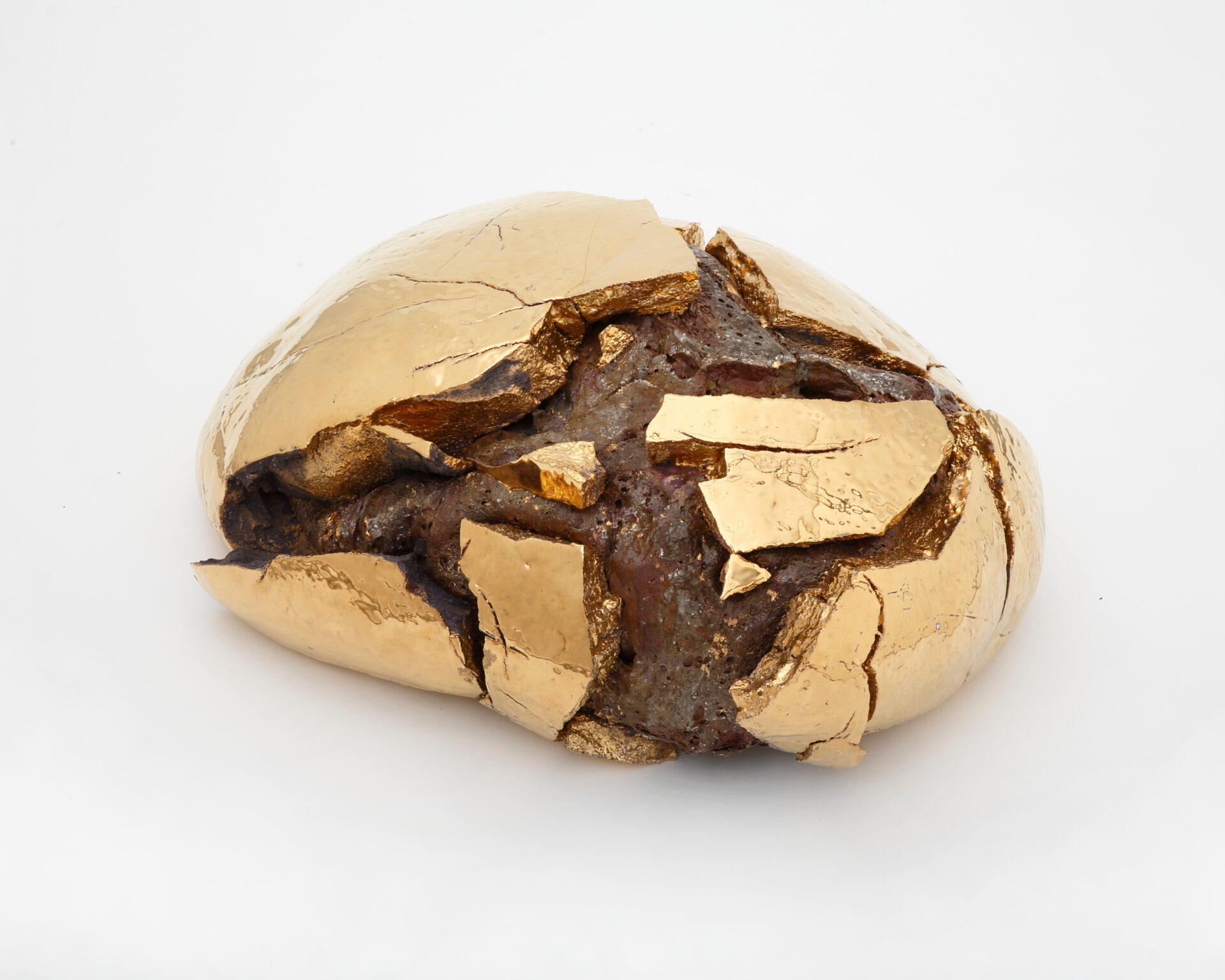
Takuro Kuwataʼs unique and unparalleled works expand the boundaries of ceramic art. His visual language, a contemporary take on traditional Japanese ceramic techniques such as kairagi and ishihaze, has garnered international acclaim. Kuwata’s studio is situated at the heart of Japanese ceramic artistry in the Mino region of Gifu Prefecture, which retains techniques dating back to feudal Japan. Inheriting the traditional tea-ceremony aesthetic of wabi-sabi, his creations celebrate imperfect beauty and natural forms in the preservation of a rustic, unrefined elegance. Through dialogue with environment, history, nature, and time, Kuwata fuses together tradition and modernity, bringing into existence provocative works of art.
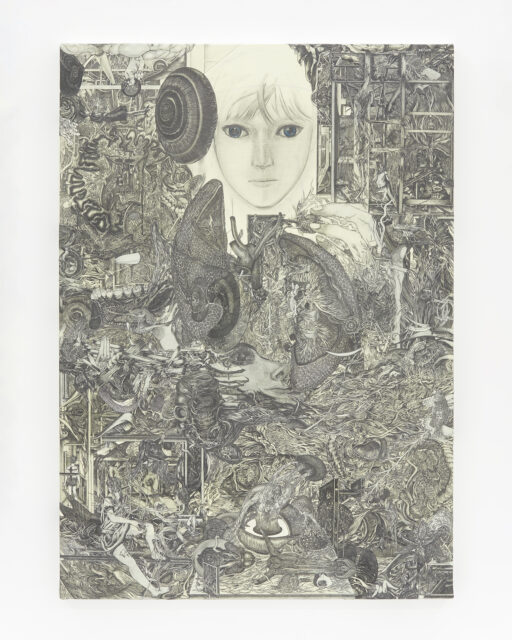
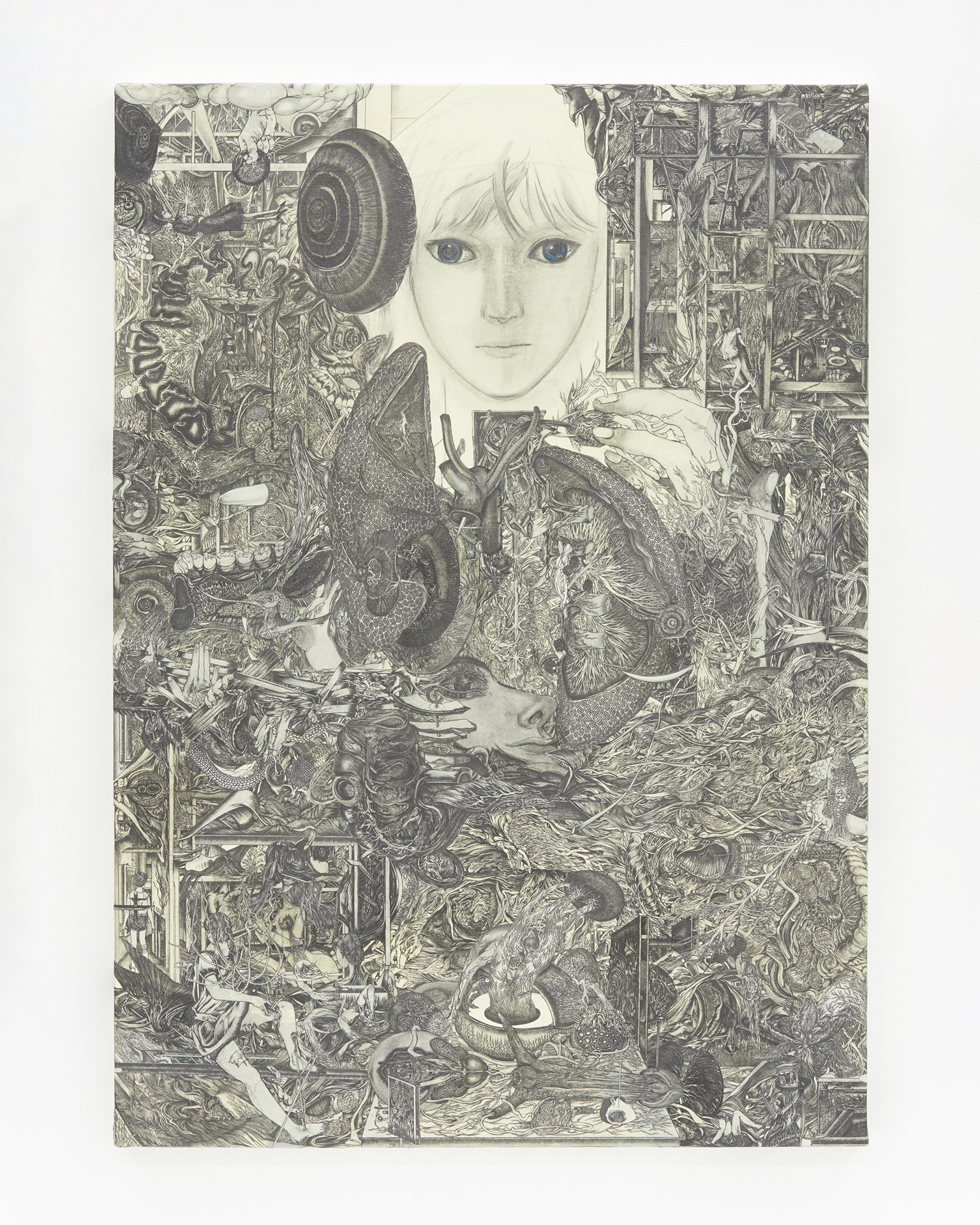
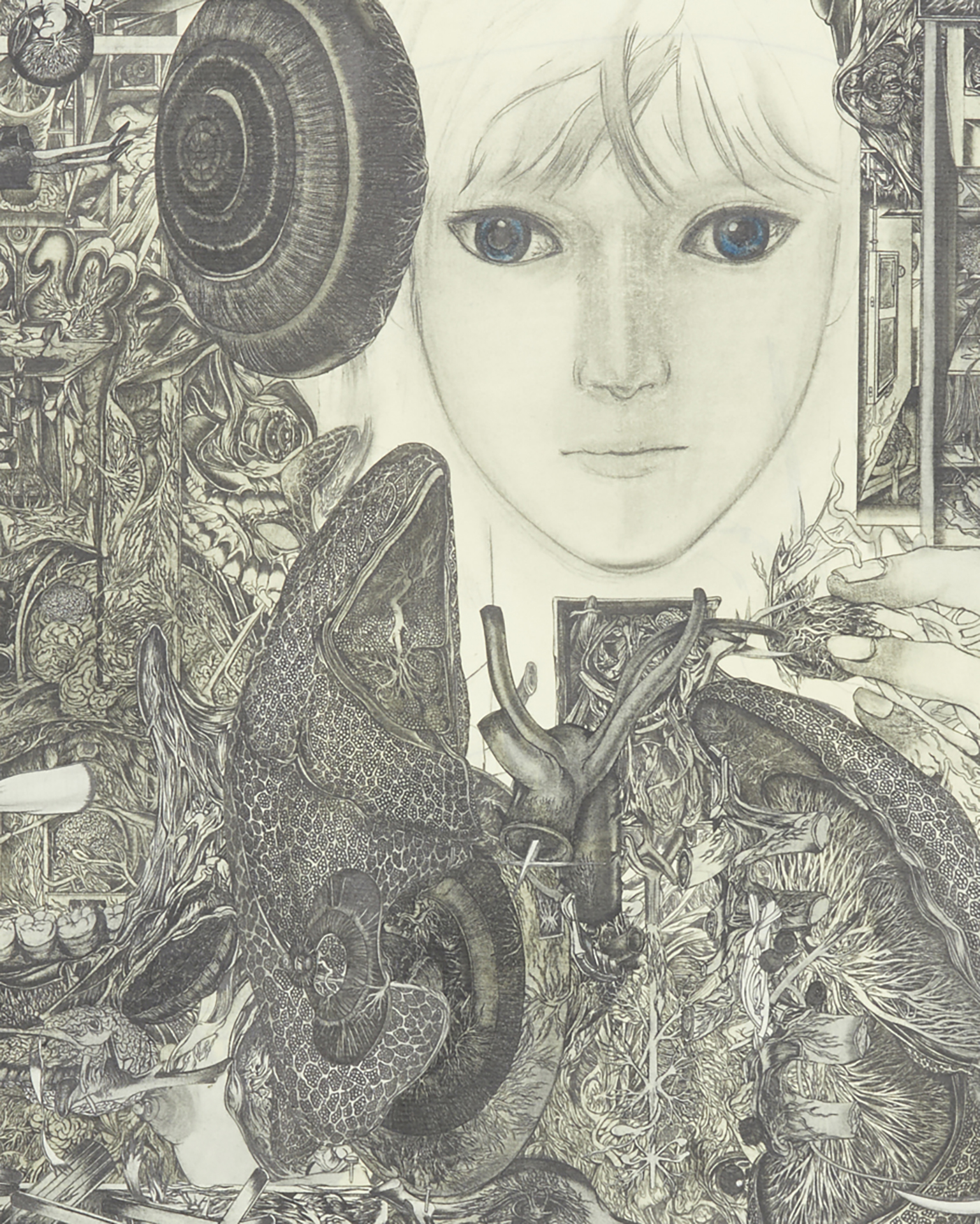
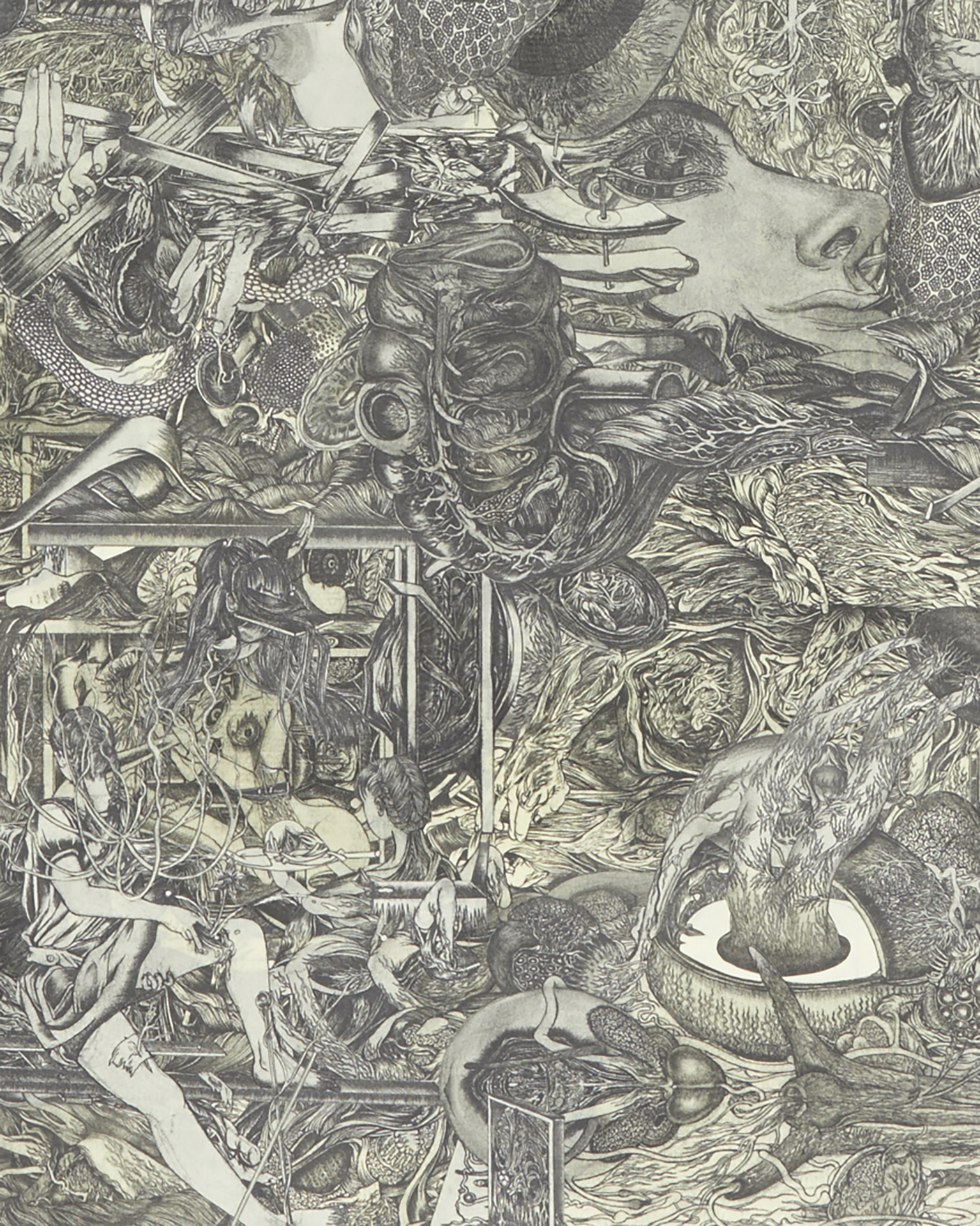
Ataru Sato attempts to understand himself, humanity, and the world around him through the act of drawing or painting. Expressing themes such as obsession, fear, and romance through fine ‒ perhaps excessively fine ‒ pencil lines and distinctive brushwork, Sato emphasizes that his works are created for himself. He sees art as being created by people who are alive to express their lived experiences and has no aspiration to create art for artʼs sake, art that is novel, or art that seeks to be meaningful. Satoʼs images continually propagate, driven by his need to comprehend the indiscernible aspects of life. Born from a core of personal questions, his work is characterized by a powerful energy that penetrates deeply, leaving a lasting impression on its viewers.
Chikashi Suzuki has presented his work in domestic and international magazines, and has been at the forefront of editorial and fashion photography since the 1990s as one of Japanʼs leading photographers. A variety of subjects can be found in his portfolio, ranging from the alluring city of Tokyo to flowers, celebrities, and emerging models. Intuitively capturing the candid essence of his subjects, the beauty and wonder of each frame appears to preserve an intimate memory, frozen in time. In contrast to the immediacy of the digital camera, Suzuki explores the palpable richness that is only attainable through film photography.
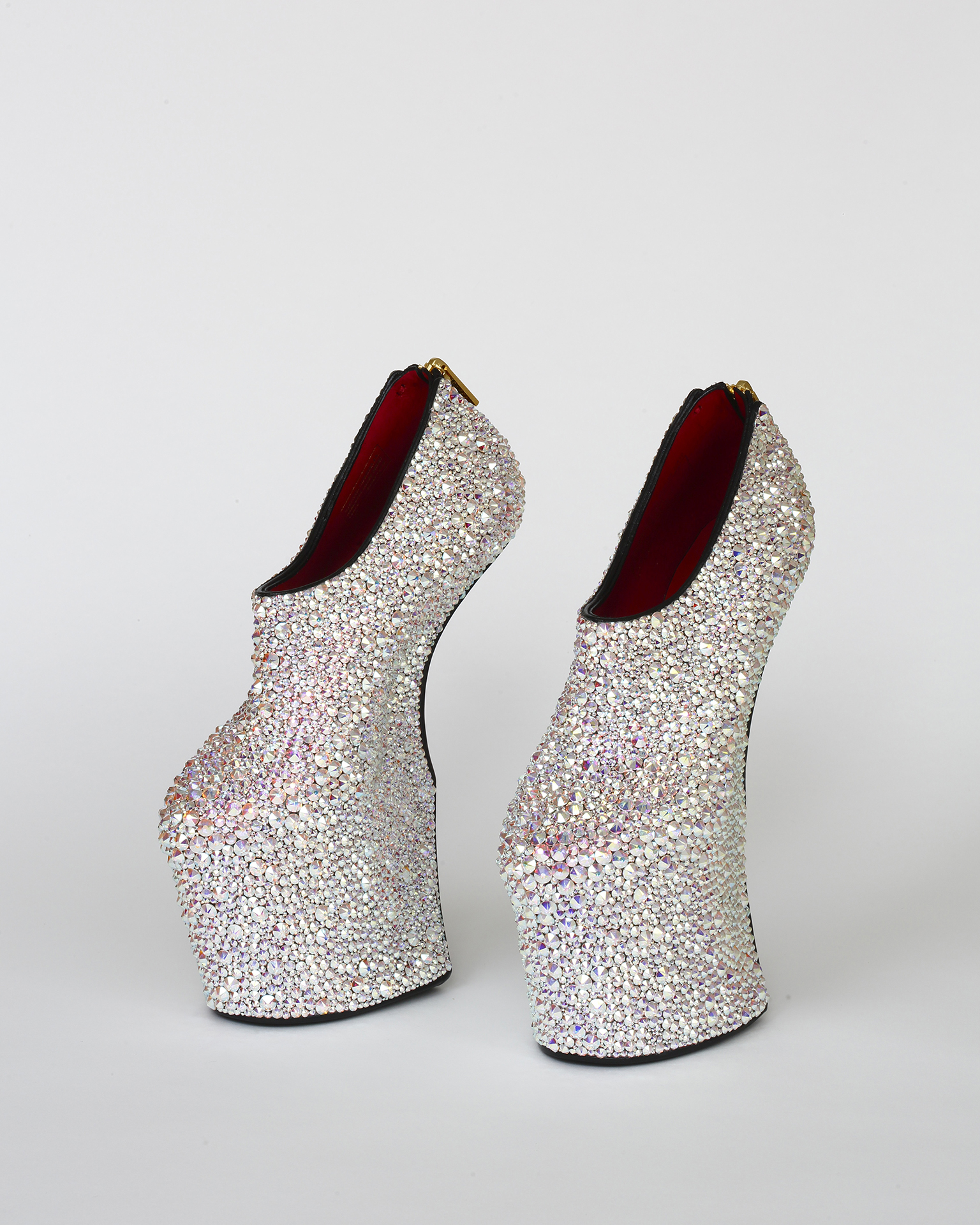
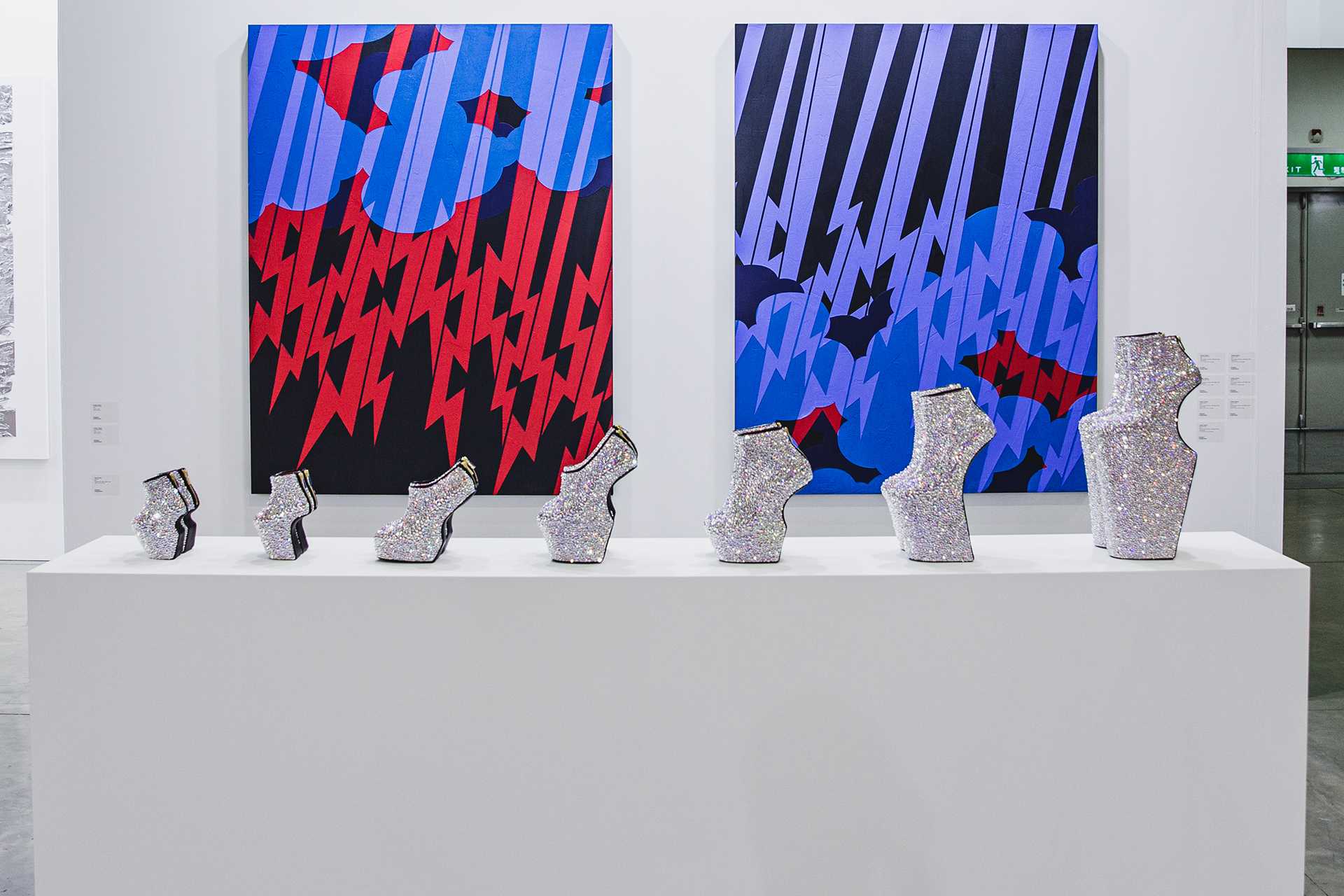
Noritaka Tatehana presents a never-before-seen perspective and worldview by combining elements of traditional Japanese culture with values of the contemporary world. His carefully honed artistry is elegantly expressed throughout his various mediums. Nurturing the sensitivities of a rich history, mythology, and innovation, Tatehanaʼs work brims with his potential and hopes for the future. The artist is renowned for his trademark works titled “Heel-less Shoes,” which are inspired by the elevated wooden clogs worn by traditional Japanese courtesans. These works have attracted global recognition since being worn by celebrities including Lady Gaga. To date, Tatehanaʼs work has been collected by institutions such as the Metropolitan Museum of Art in New York, and the Victoria & Albert Museum in London.
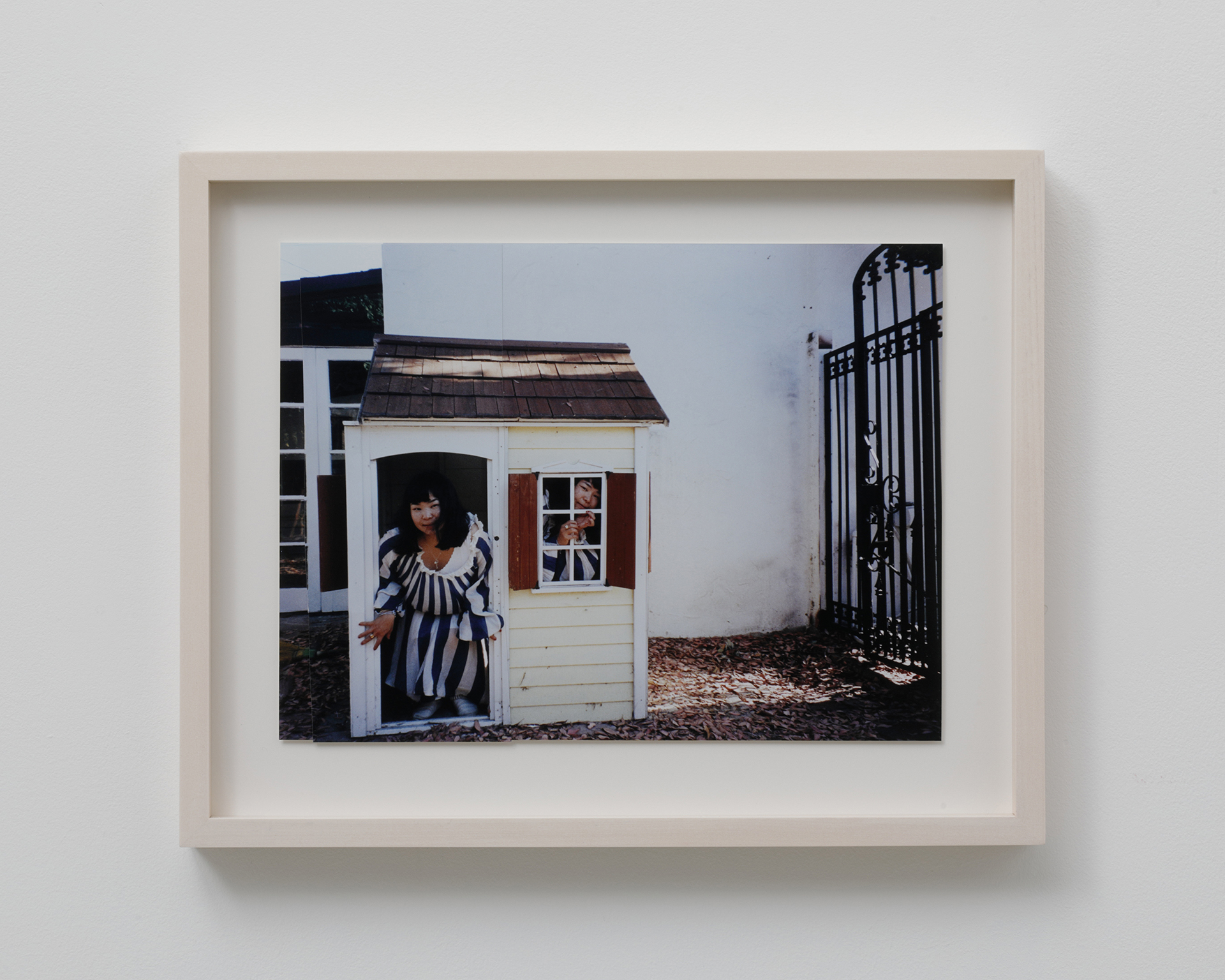
Highly acclaimed for her collaborations within fashion, such as her work for LOEWEʼs seasonal publication since the brandʼs Spring/Summer 2018 collection, imanoʼs representative work includes a body of unprecedented photomontages. A series of selfportraits taken with a 35mm camera, these images are then cut and pasted to create a twinlike motif. Encapsulating an innocently nostalgic and humorous charm that is reminiscent of photographs that might have been taken during a family trip, imanoʼs self-portraits elicit an instinctive smile from their viewers. In sharp contrast, the distinct lines which have been cut and joined together by scissors evidently convey the reality of a fictitious nature. Simply created by hand in the current digital age, imanoʼs photomontages invite a playful yet fresh insight into oneʼs identity, and an unconventional visual language to convey new stories.
The presentation will consist of approximately 20 works by the seven artists.
WORKS
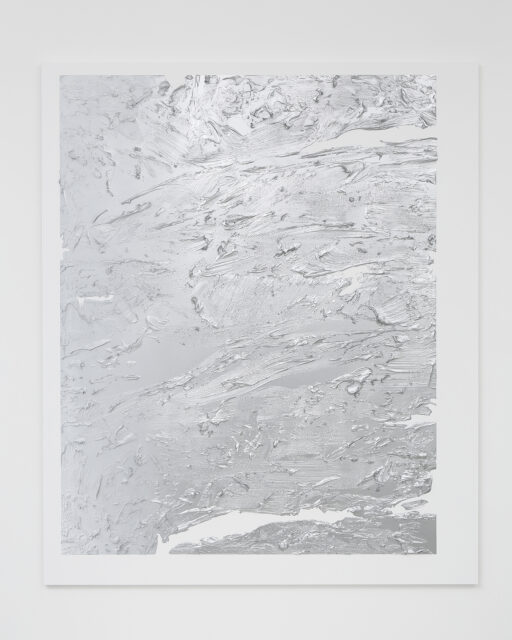
Untitled
2019
Yutaka Aoki
Untitled
2019
Acrylic, spray paint, aluminum paint on cotton mounted on panel
194.0 x 162.0 cm
© 2020 Yutaka Aoki
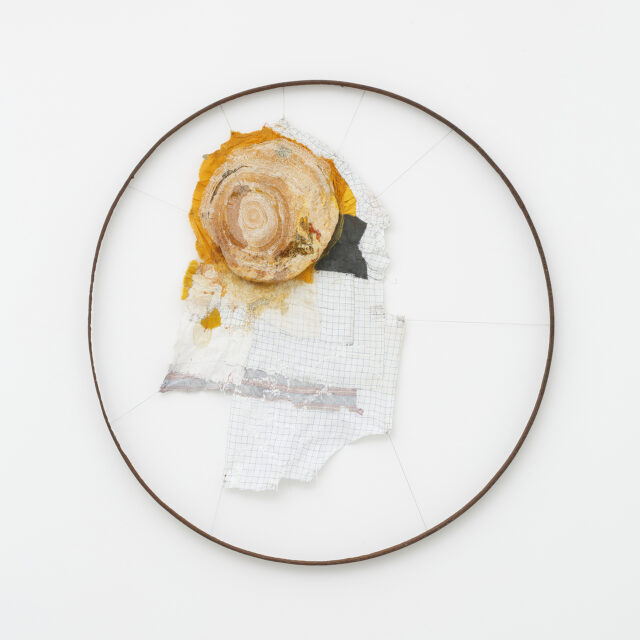
Sense and sweetness 02
2018
Junko Oki
Sense and sweetness 02
2018
Cotton, iron, beeswax
h.99.3 x w.95.6 x d.6.5 cm
© 2020 Junko Oki
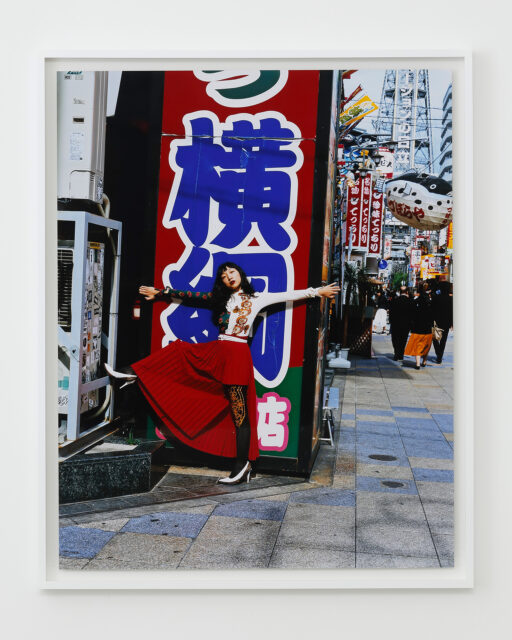
Shinsekai, Osaka
2018
Chikashi Suzuki
Shinsekai, Osaka
2018
C-print
Sheet size: 126.0 x 100.0 cm
Frame size: 136.0 x 109.8 x 6.0 cm
© 2020 Chikashi Suzuki

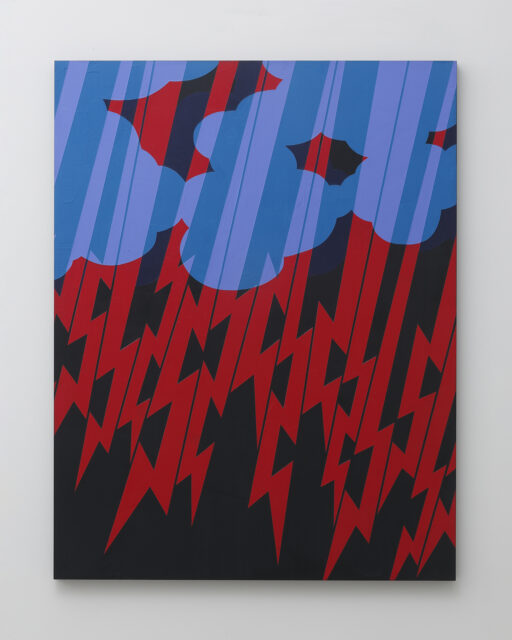
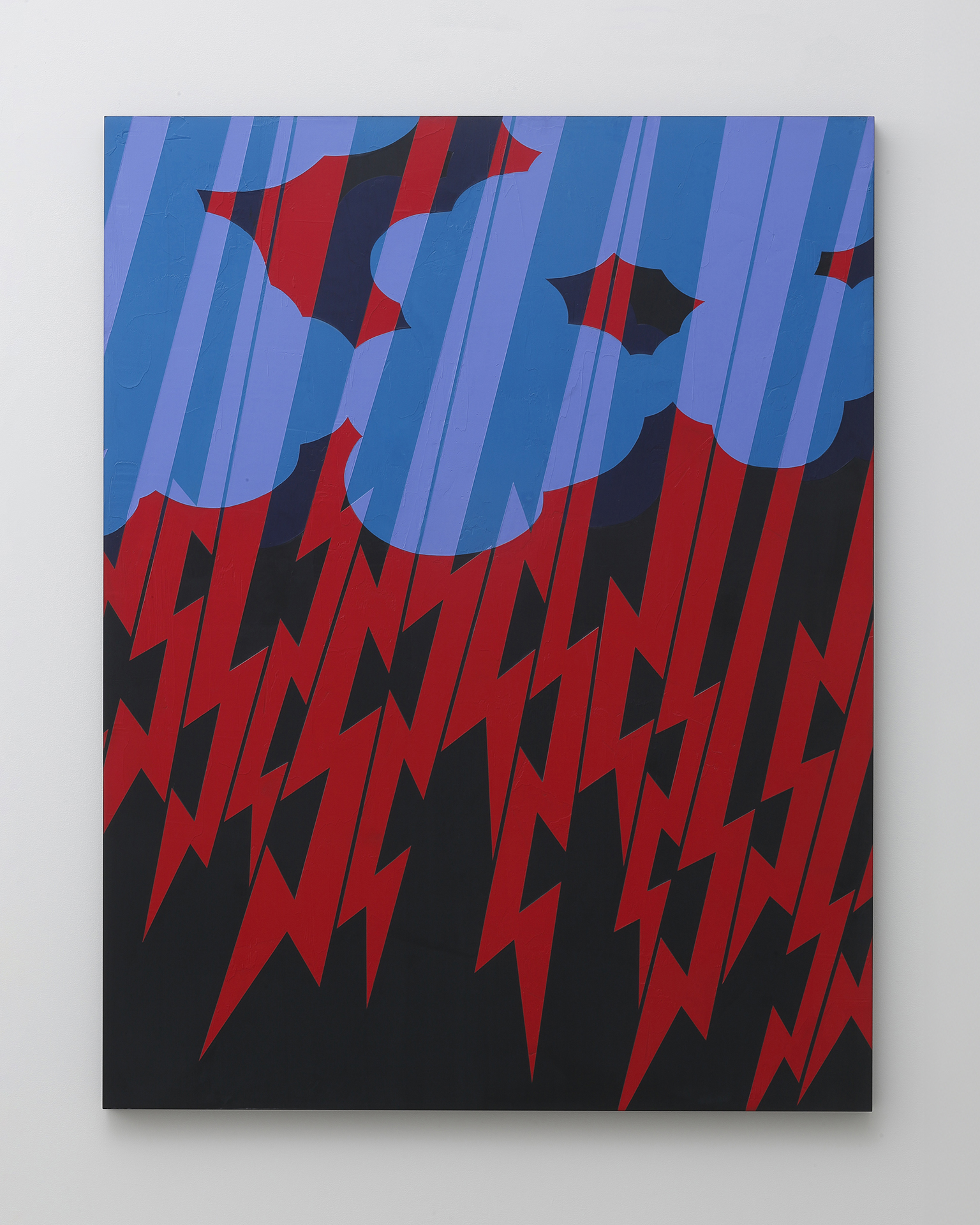
Descending Painting
2019
Noritaka Tatehana
Descending Painting
2019
Acrylic on panel
155.0 x 120.0 cm
© 2020 NORITAKA TATEHANA K.K.
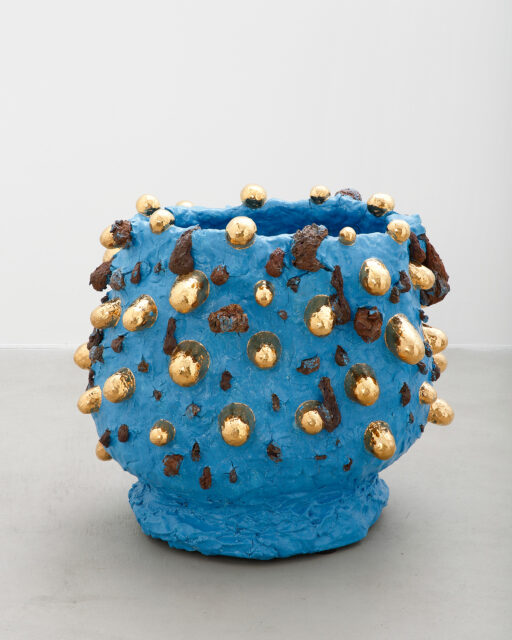
Tea bowl
2017
Takuro Kuwata
Tea bowl
2017
Porcelain, stone, glaze, pigment, gold
h.62.5 x w.70.0 x d.56.0 cm
© 2020 Takuro Kuwata
MAN
2017
Ataru Sato
MAN
2017
Pencil, ink on paper and paper collage mounted on panel
59.5 x 42.0 cm
© 2020 Ataru Sato
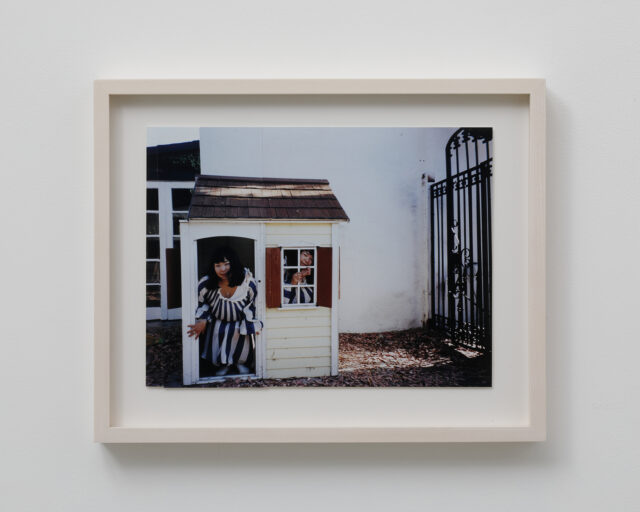
mini house/LA/2015
2015 / 2019
fumiko imano
mini house/LA/2015
2015 / 2019
Photomontage (C-print)
Sheet size: 21.0 x 28.0 cm
Frame size: 29.3 x 36.3 x 3.9 cm
© 2020 fumiko imano
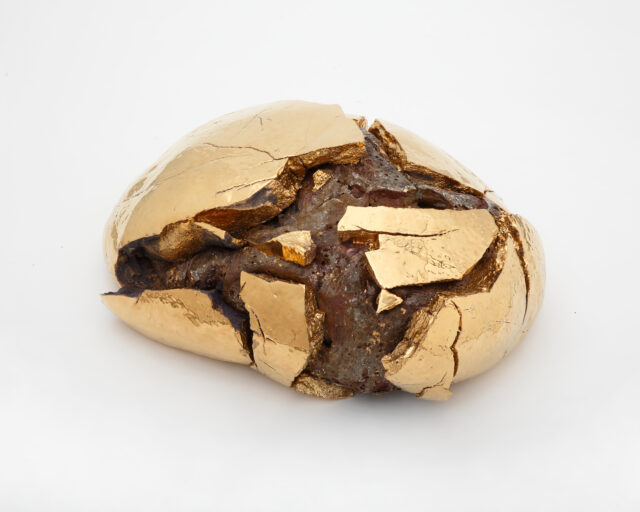
Untitled
2017
Takuro Kuwata
Untitled
2017
Porcelain, stone, glaze, pigment, gold
h.25.0 x w.60.6 x d.49.0 cm
© 2020 Takuro Kuwata
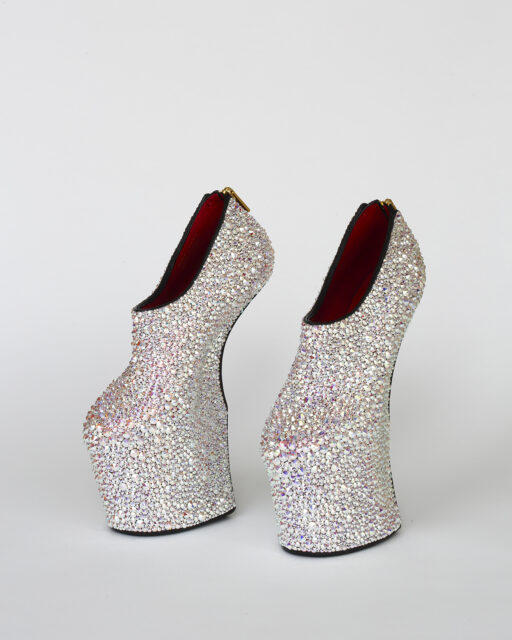
Heel-less Shoes
2019
Noritaka Tatehana
Heel-less Shoes
2019
Dyed cowhide, pig suede, coated glass crystal, metal fastener
h.26.8 x w.8.7 x d.20.2 cm each
© 2020 NORITAKA TATEHANA K.K.