Fair
Art Basel Hong Kong 2026
Dates
March 27, 2026 – March 29, 2026
Link
Location
Hong Kong Convention and Exhibition Centre
1 Harbour Road, Wan Chai Hong Kong
Booth
3D34
Artist
Miwa Kyusetsu XIII
KOSAKU KANECHIKA is pleased to participate in Art Basel Hong Kong 2026 from March 27th to March 29th, 2026, with a solo presentation by Miwa Kyusetsu XIII.
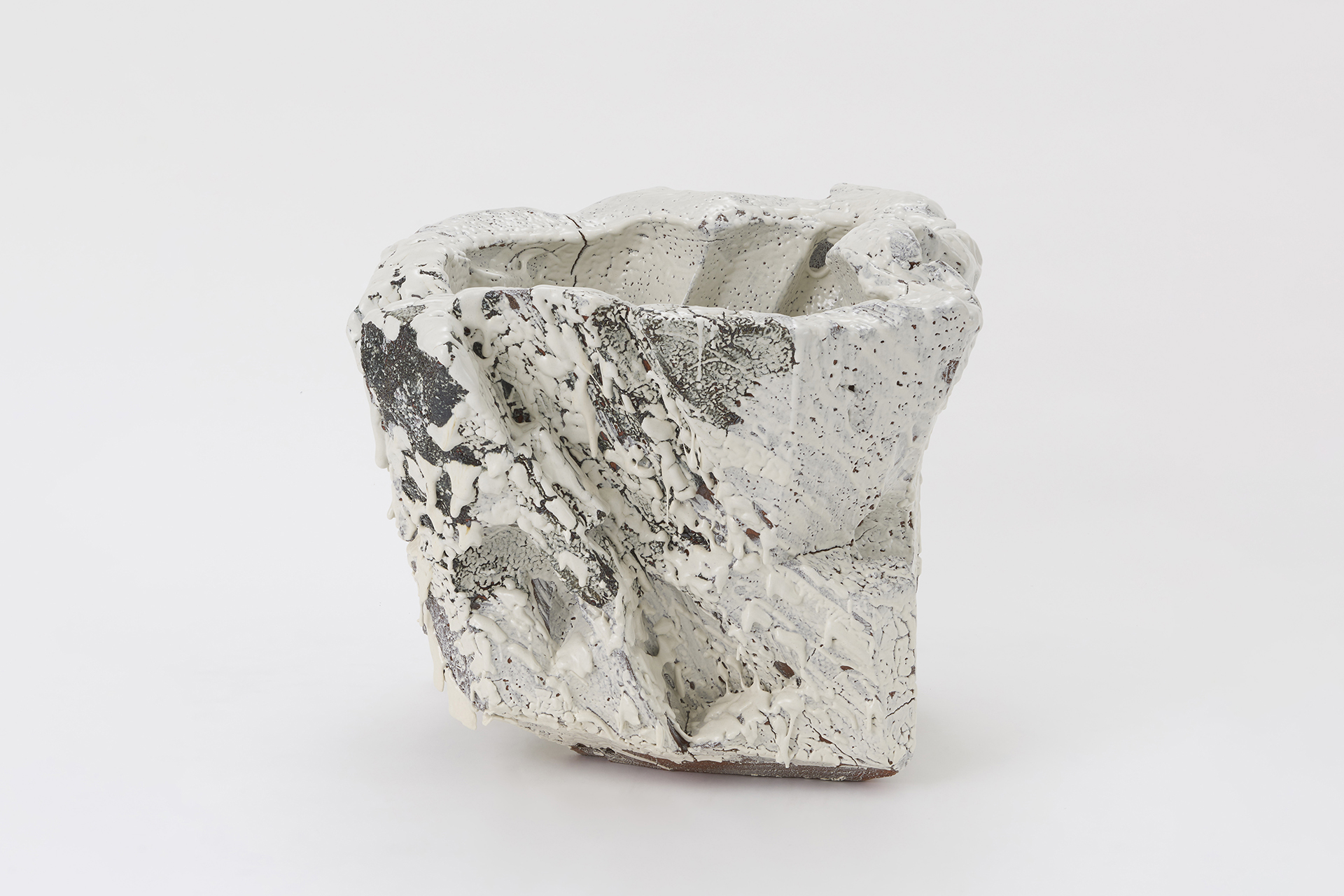
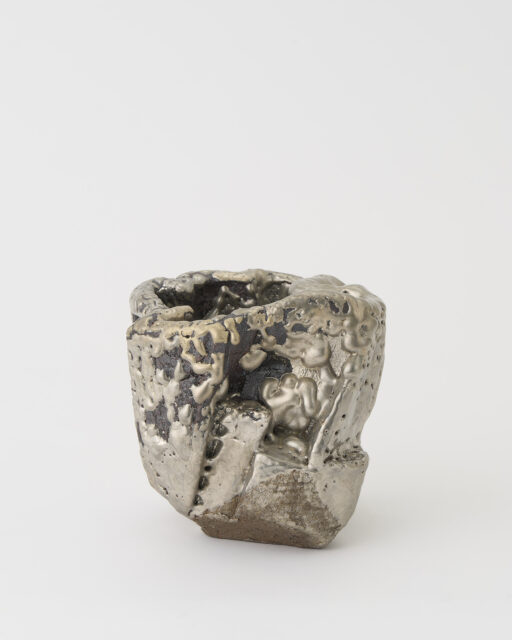
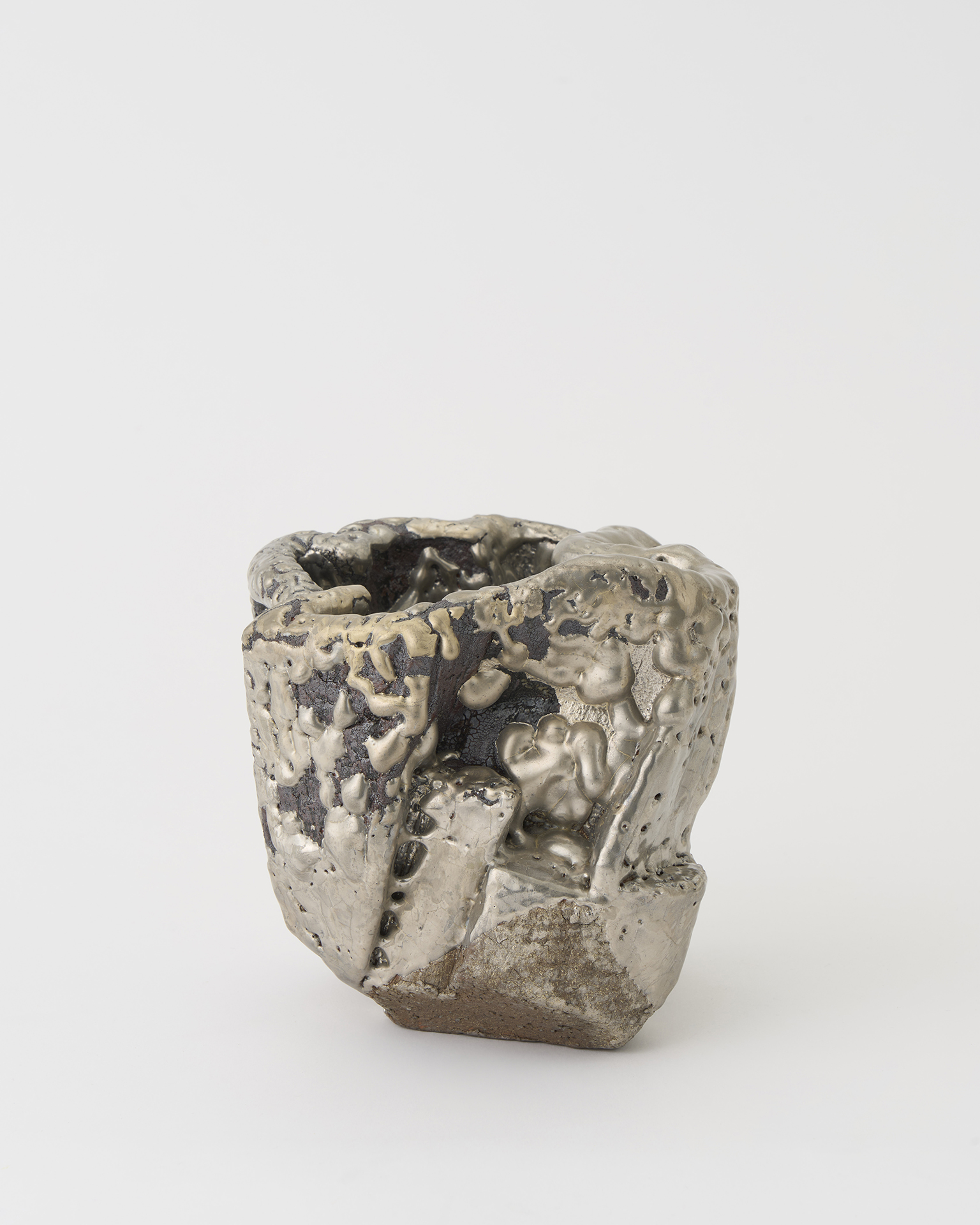
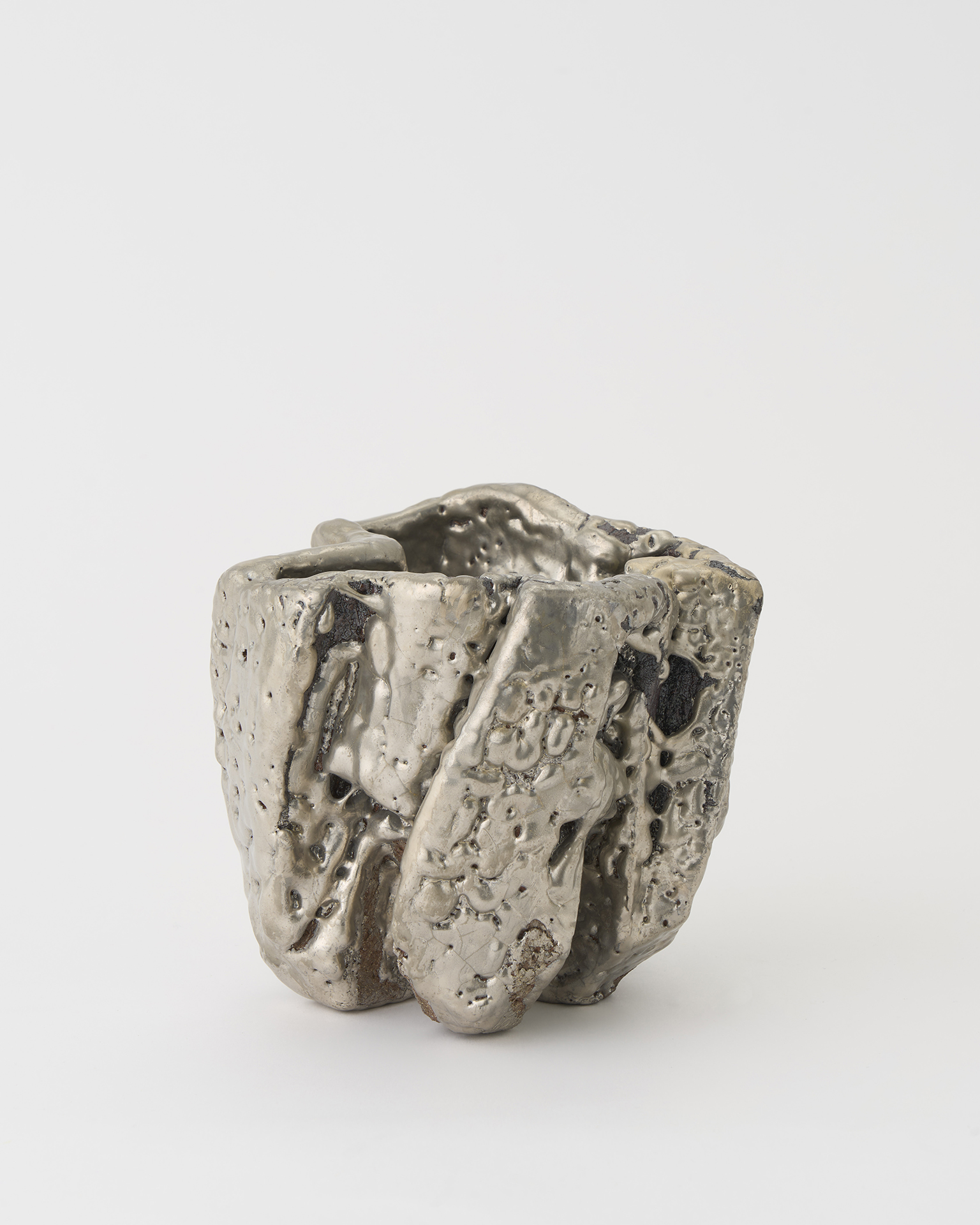
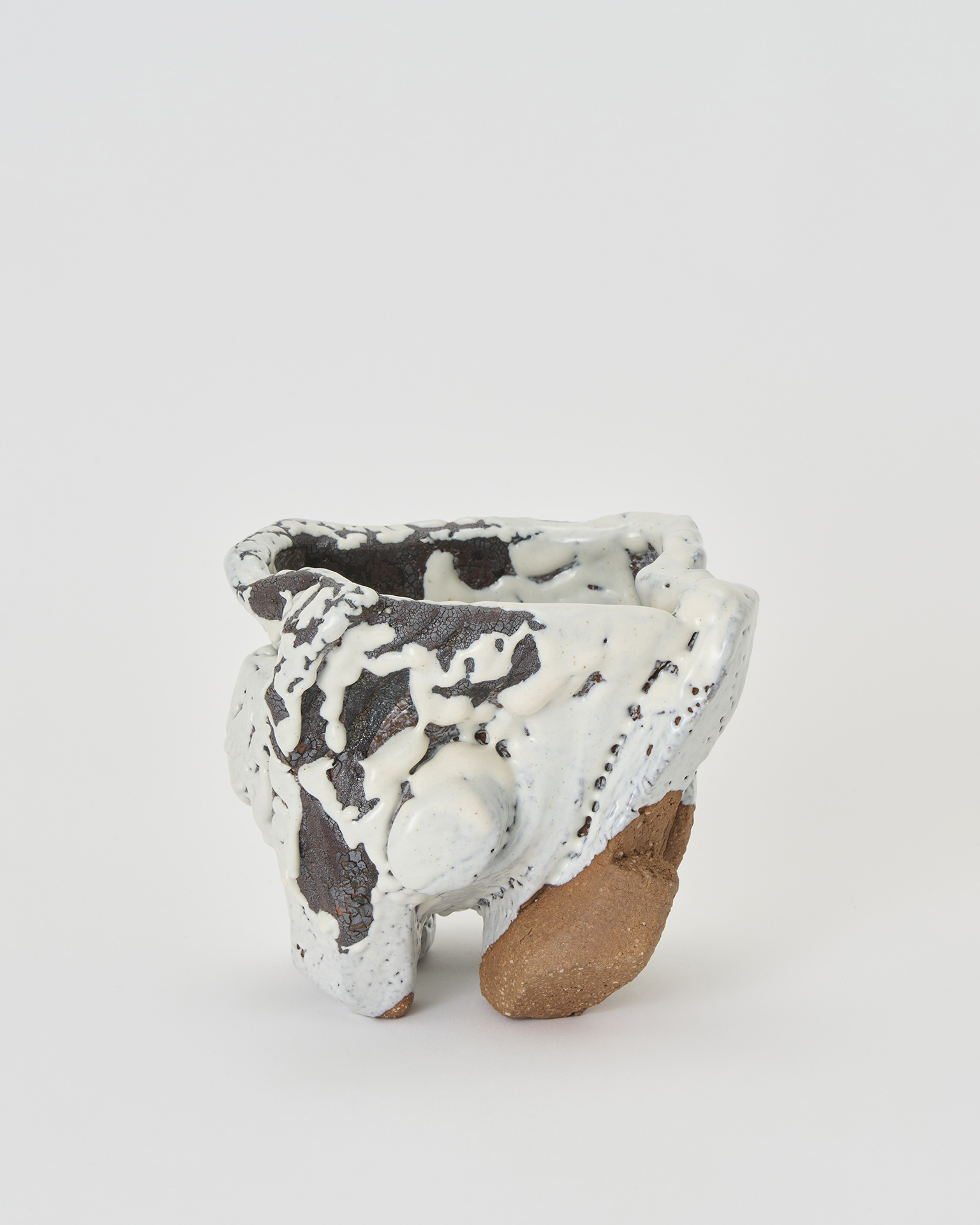
Miwa Kyusetsu XIII, born Miwa Kazuhiko, assumed the family title in 2019 and is highly acclaimed for his style that incorporates dynamic and innovative sculptural forms while carrying forward the legacy of Hagi ware. His “El Capitan” series of tea bowls highlights the contrast between the unglazed surface of the pottery cut out using a Japanese sword and the Miwa family’s traditional white Hagi glaze (Kyusetsu white). This series owes its primary inspiration to Miwa’s astonishment at encountering the enormous granite edifice of the same name at Yosemite National Park while studying in the United States, and his fascination with the severity, the fearfulness, and the gentleness of the vast continental landscape. “El Capitan” constitutes the merger of that inspiration with Hagi clay and ceramic traditions.
Born the third son of living national treasure Miwa Kyusetsu XI (Miwa Jusetsu), Miwa Kazuhiko was less likely to inherit the family title and the responsibility for over 300 years of family history. The lack of pressure afforded him great artistic freedom, which is manifest in his bold, thought-provoking approach to ceramics, and art in general. This translated into his free upbringing and time abroad studying in the West Coast of the United States during the 1970s, inspired by the works of Peter Voulkos and Lucio Fontana. In the U.S., he experienced first-hand avant garde developments in art, such as unfired clay, performance, and installation, as well as a completely different culture and landscape. The coexistence of two very different aspects of ceramics—the classic heritage of the Miwa family and exciting, free, experimental ceramic work—was what ultimately persuaded Miwa to continue working with clay. He incorporated his ideas into a large-scale installation in his first exhibition upon returning to Japan, titled “DEAD END” (1984), in which he drove a Jeep and motorcycle over unfired clay.
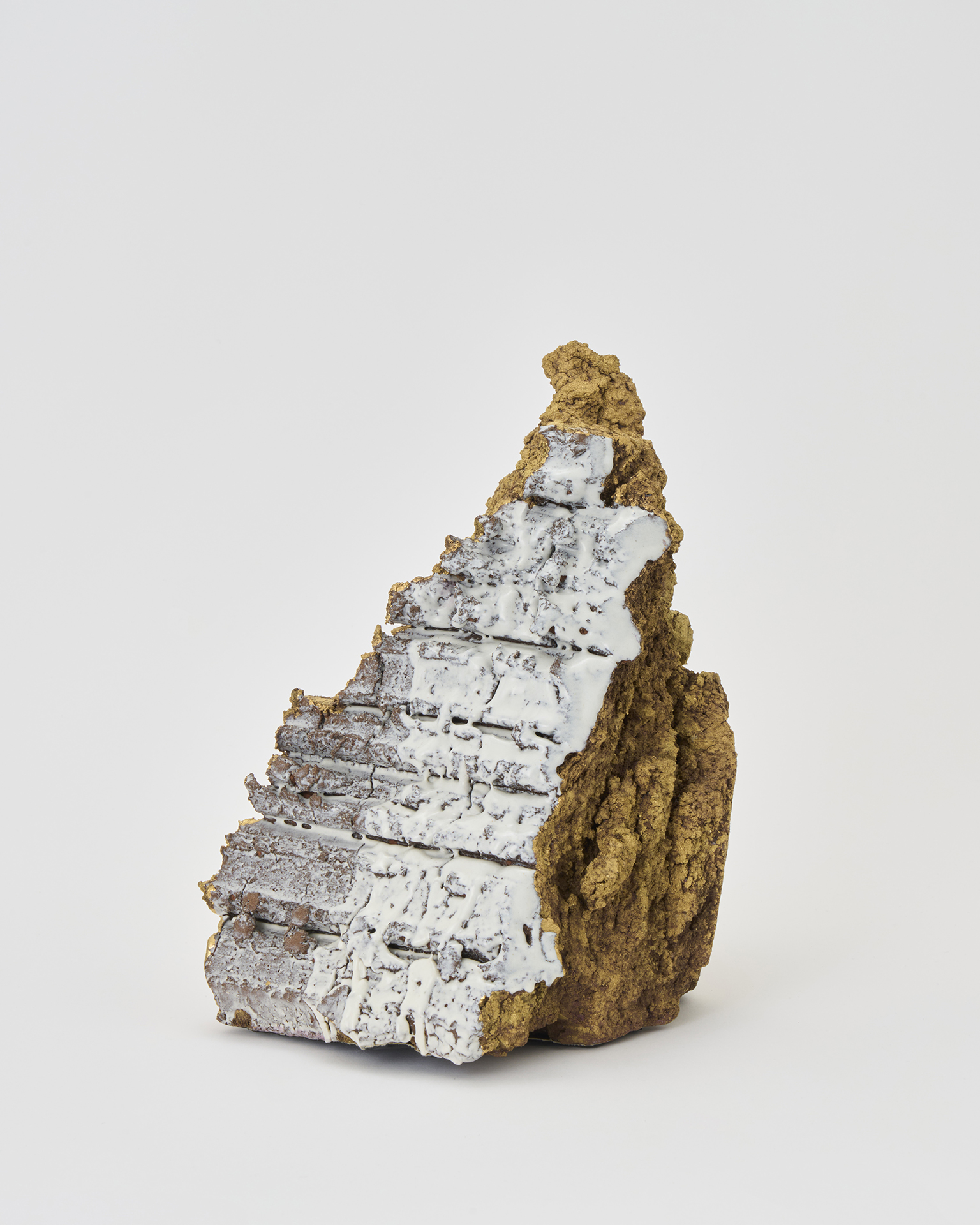
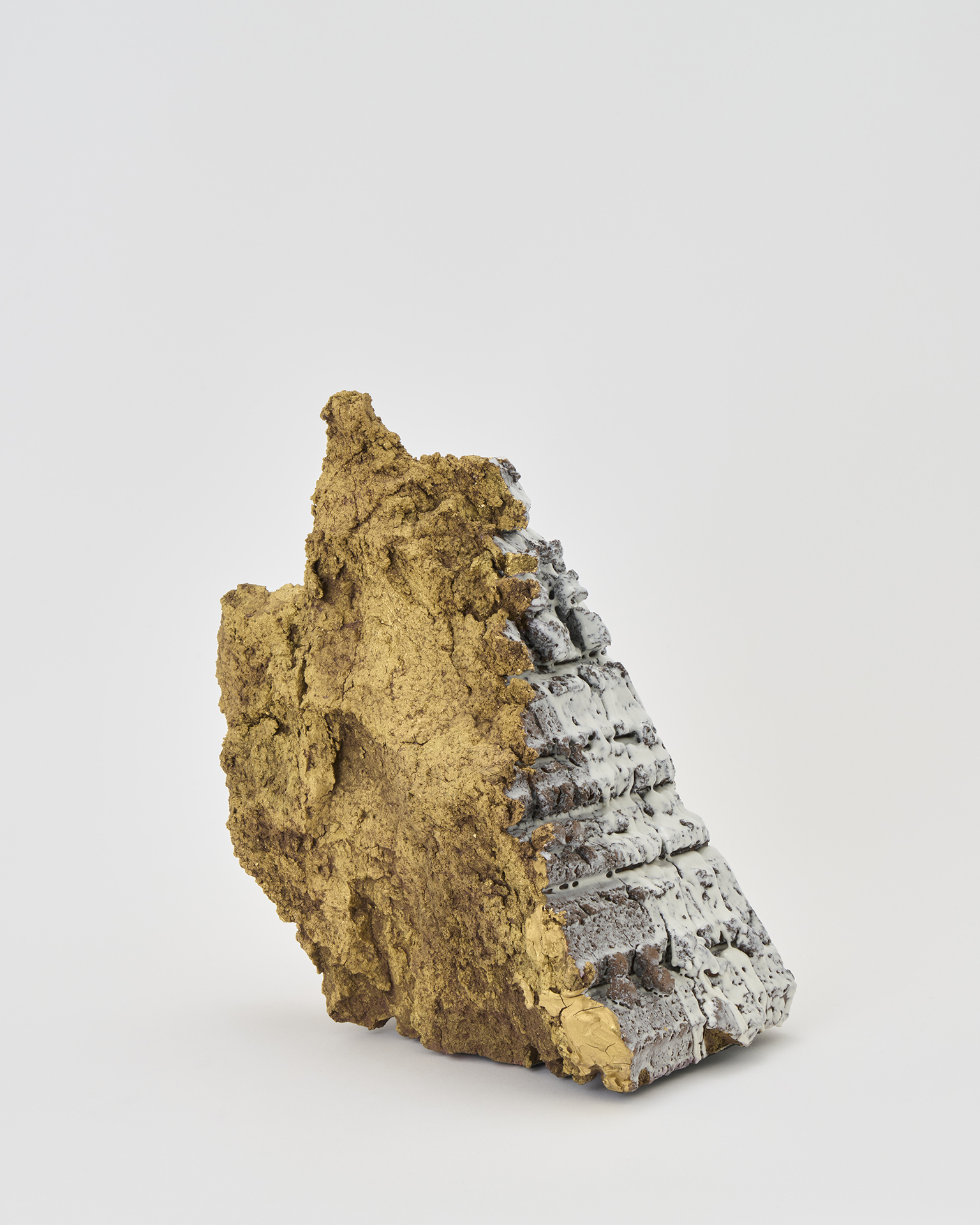
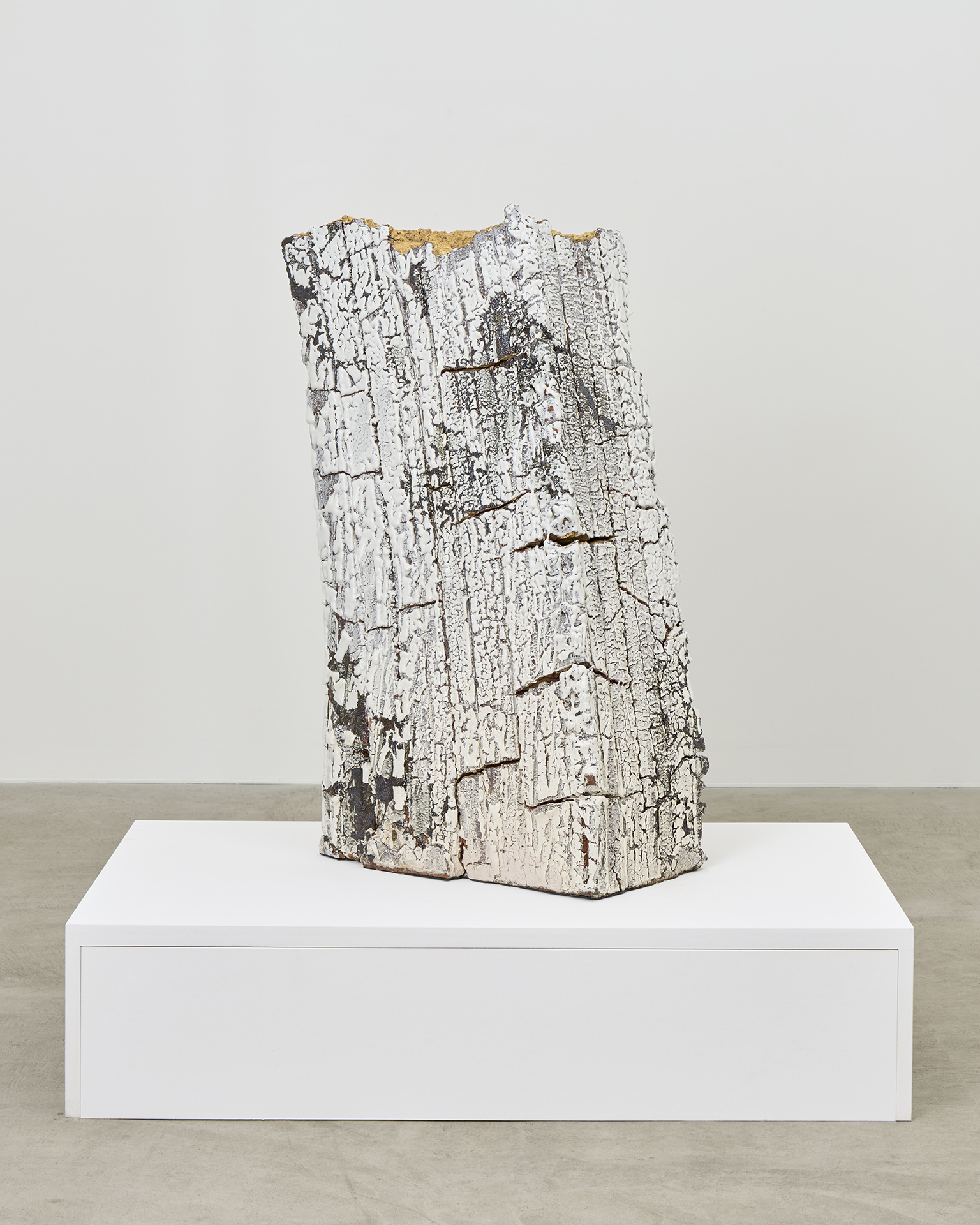
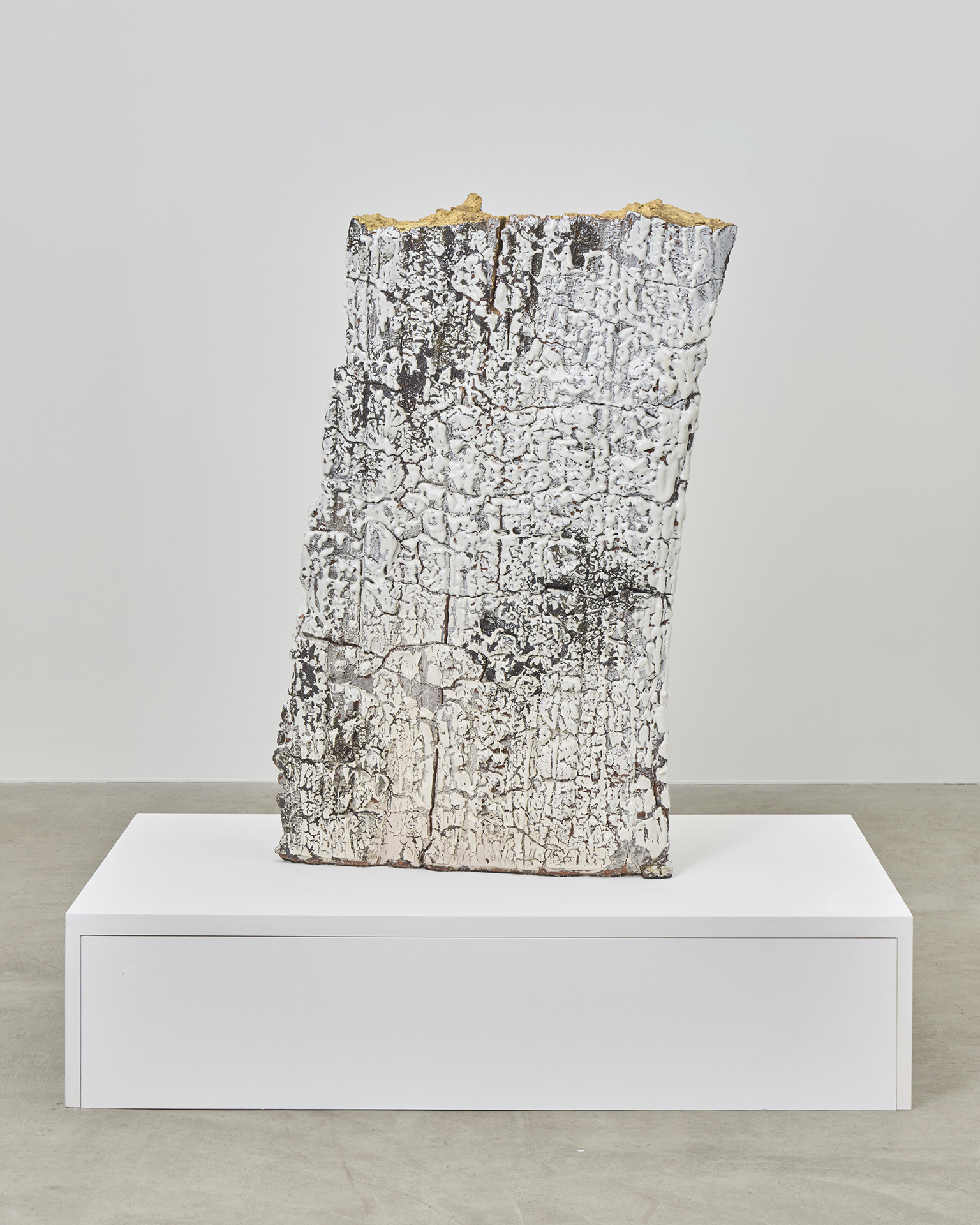
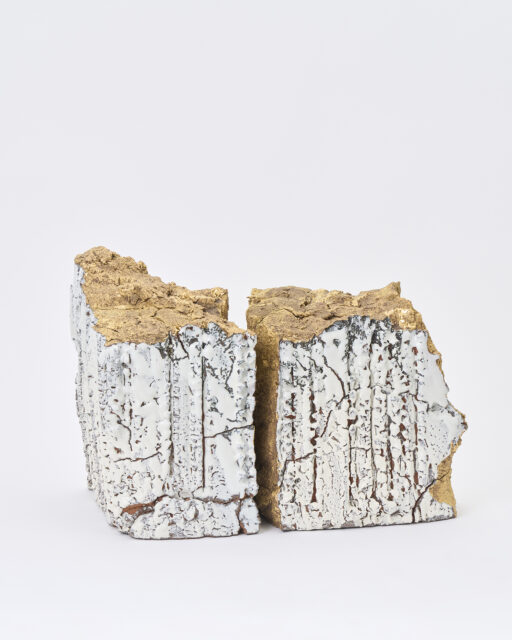
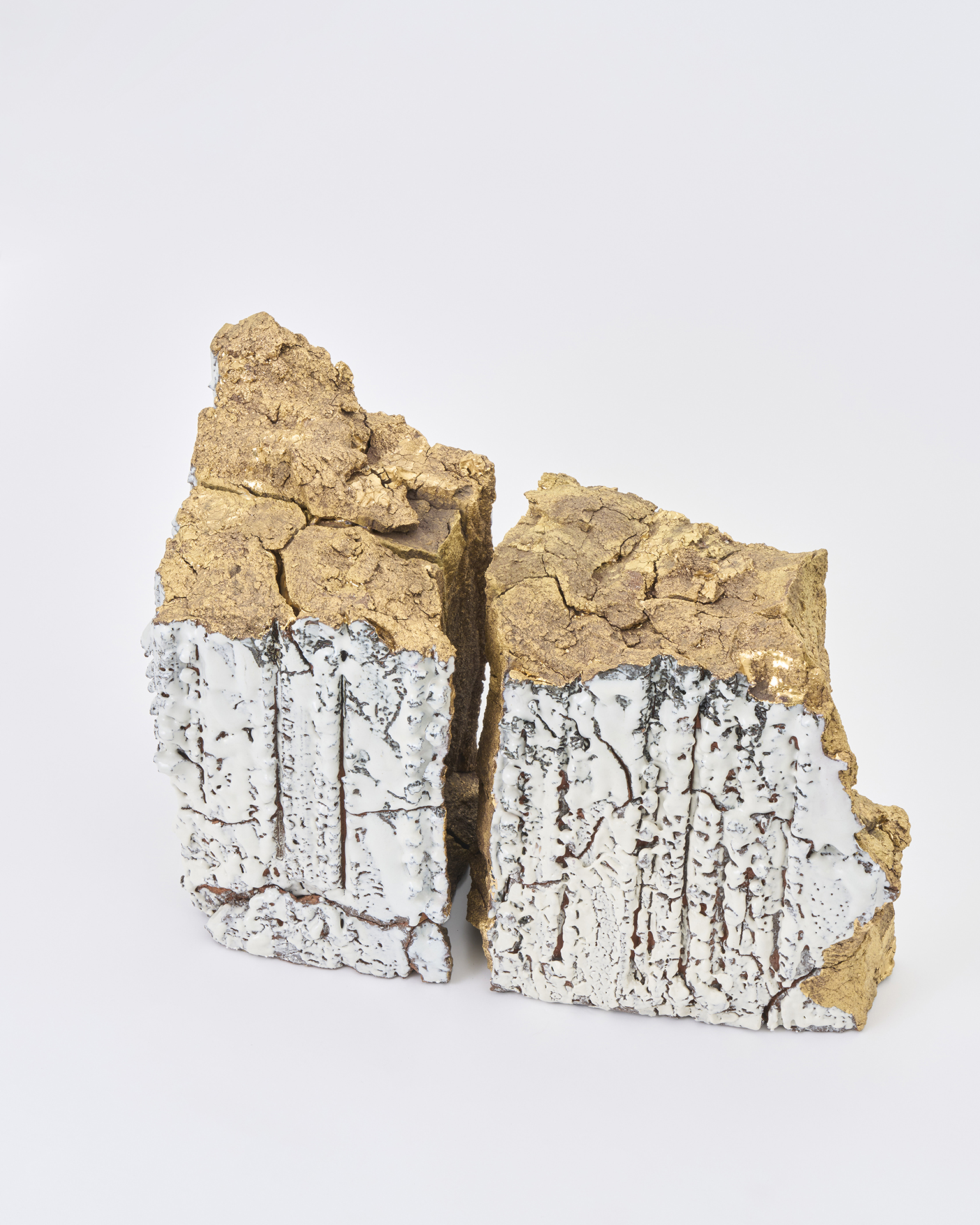
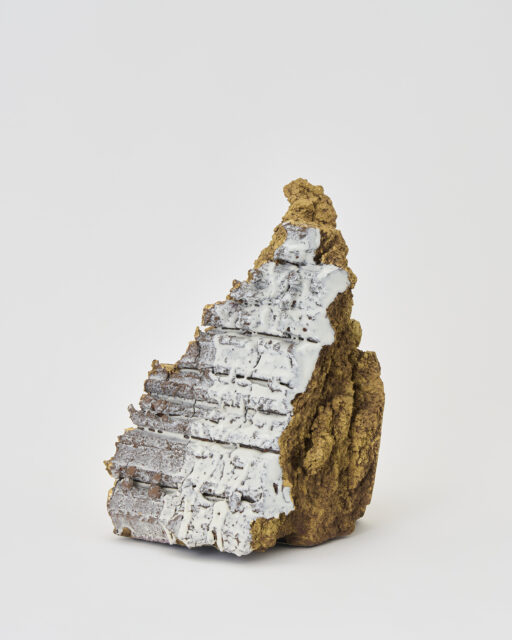
Since his return, he has continued to experiment with the possibilities of clay. At the core of his practice is a commitment to the transformation of clay, which he invariably treats as a part of the earth and therefore of life. Faced with the reality of how soil is a nurturing substance in the rice fields in front of his home, and of how it serves as a protective shelter in the walls and bricks of his house, he repeatedly questions our relationship to the elements provided by nature, and how much clay a single human being can move and shape in a meaningful way, whether the resulting object is with or without utility. The “El Dorado” series on view in the presentation is new work that revisits the artist’s experimentation with form and scale in his early work, while also representing his current answer to the question of what can be made from a piece of the earth. Referencing a mythical city of gold, the artist reflects on the way nature, itself a formidable force, can also awaken concealed sentiments that people can be at the mercy of, such as desire or greed.
Miwa has said that the process of transforming the clay and making it come together as a single work is not at all something that goes according to plan. These experiments with scale and form are a testament to how the artist challenges his own physical strength, and, together with the tea bowls, demonstrate the artist’s intricate balance of tradition and innovation. His work is a result of repeated confrontation, questioning, and exchanges of actions and reactions with nature, which is both an absolute power and a menace. In his practice, we discover the fundamental essence of what it means for humanity to create.
This presentation will consist of approximately 15 works.
WORKS
El Capitan
2026
Miwa Kyusetsu XIII
El Capitan
2026
Hagi stoneware, straw ash glaze, platinum
h.14.3 x w.14.5 x d.14.8 cm
© 2026 Miwa Kyusetsu XIII
El Capitan
2025
Miwa Kyusetsu XIII
El Capitan
2025
Hagi stoneware, straw ash glaze
h.13.6 x w.15.5 x d.14.5 cm
© 2026 Miwa Kyusetsu XIII
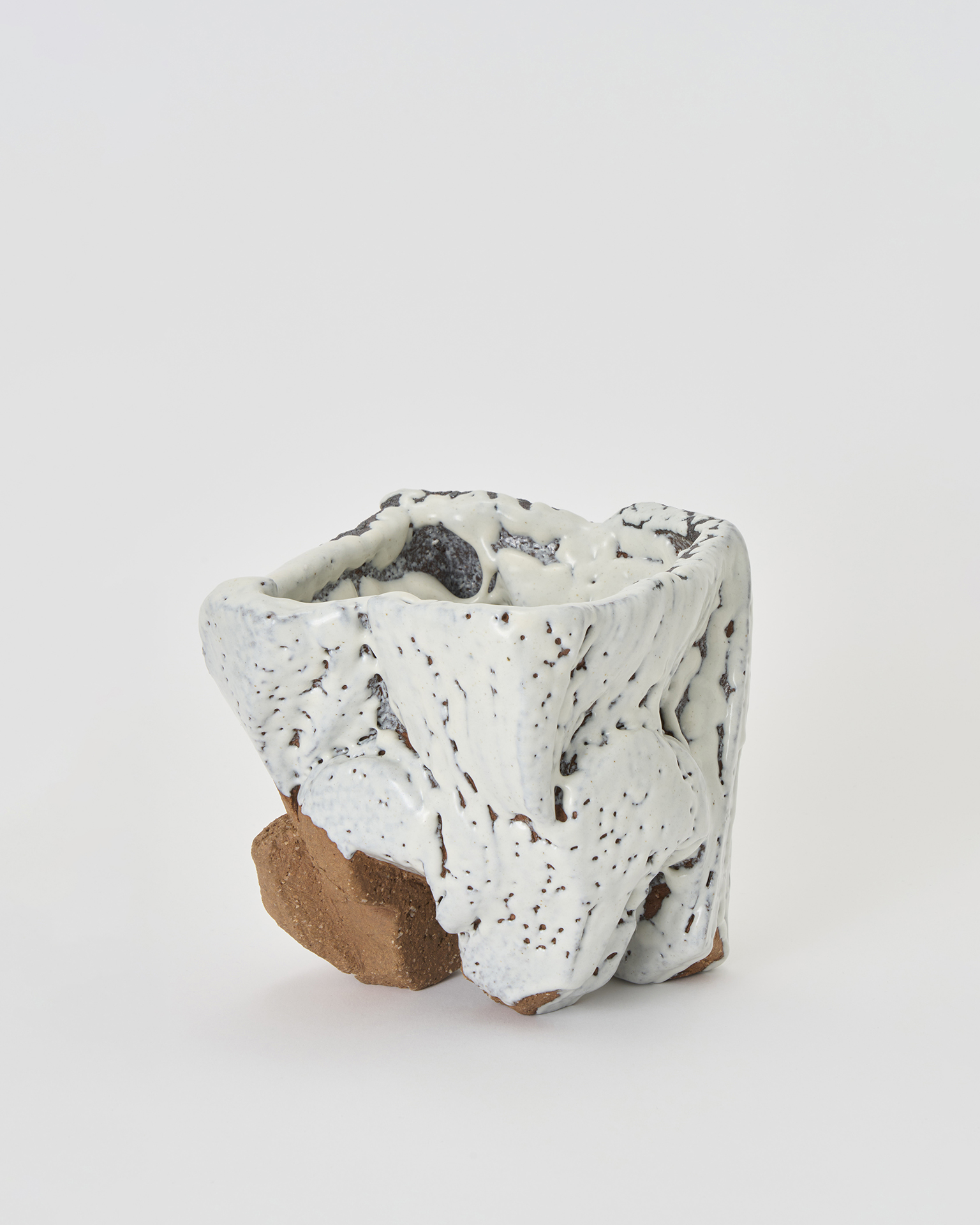
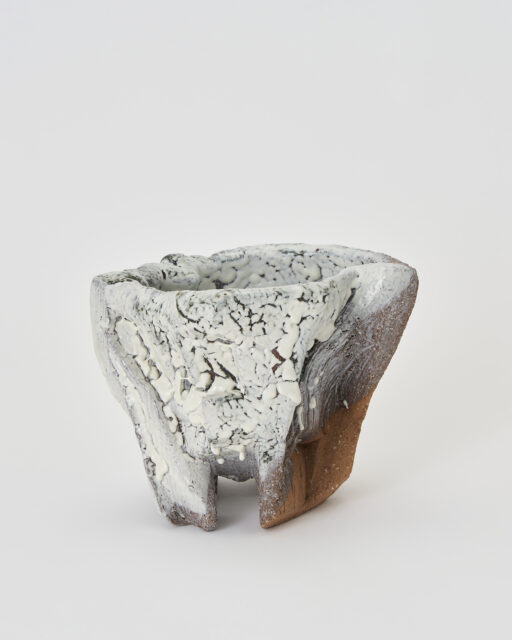
El Capitan
2026
Miwa Kyusetsu XIII
El Capitan
2026
Hagi stoneware, straw ash glaze
h.13.6 x w.17.6 x d.15.6 cm
© 2026 Miwa Kyusetsu XIII
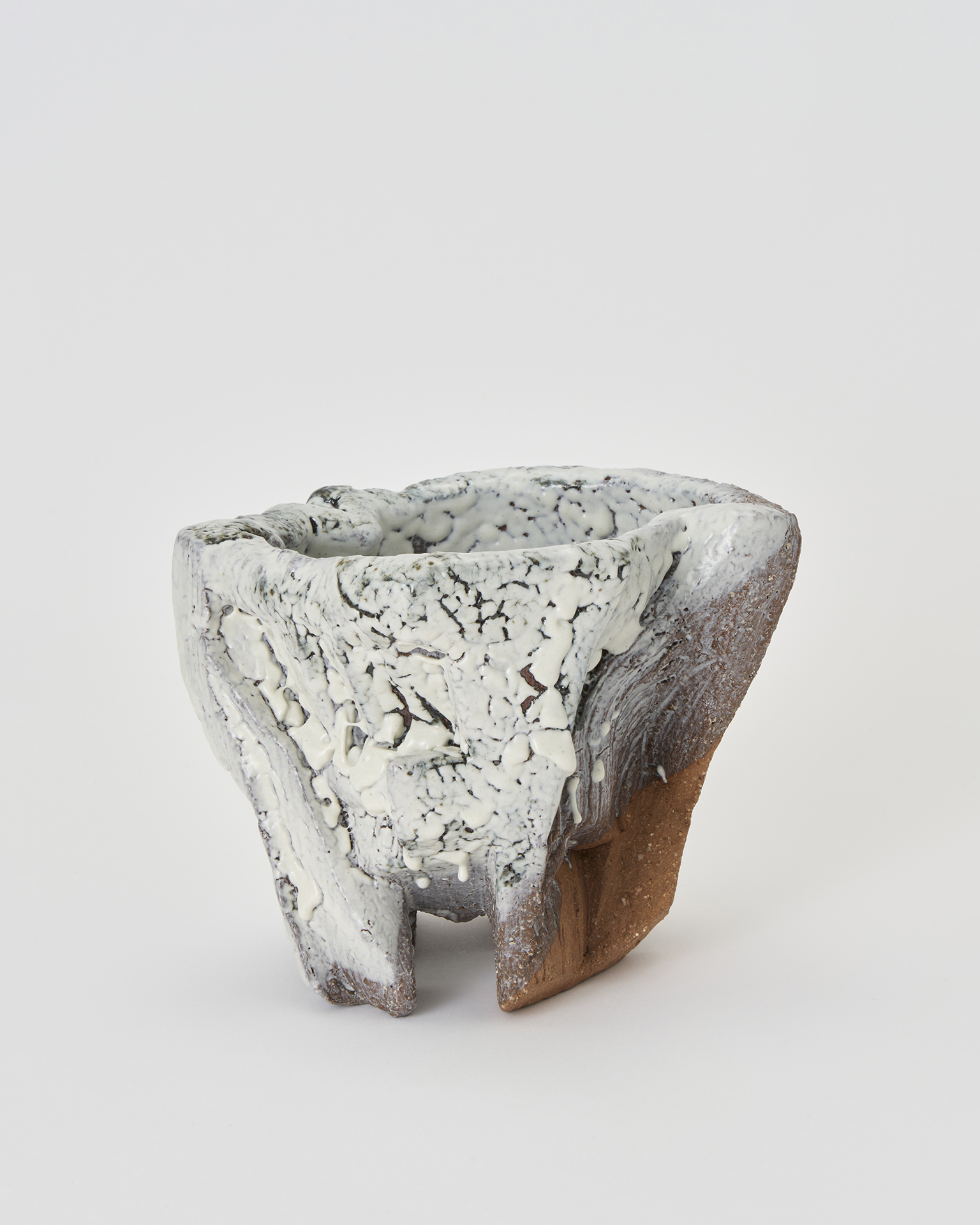
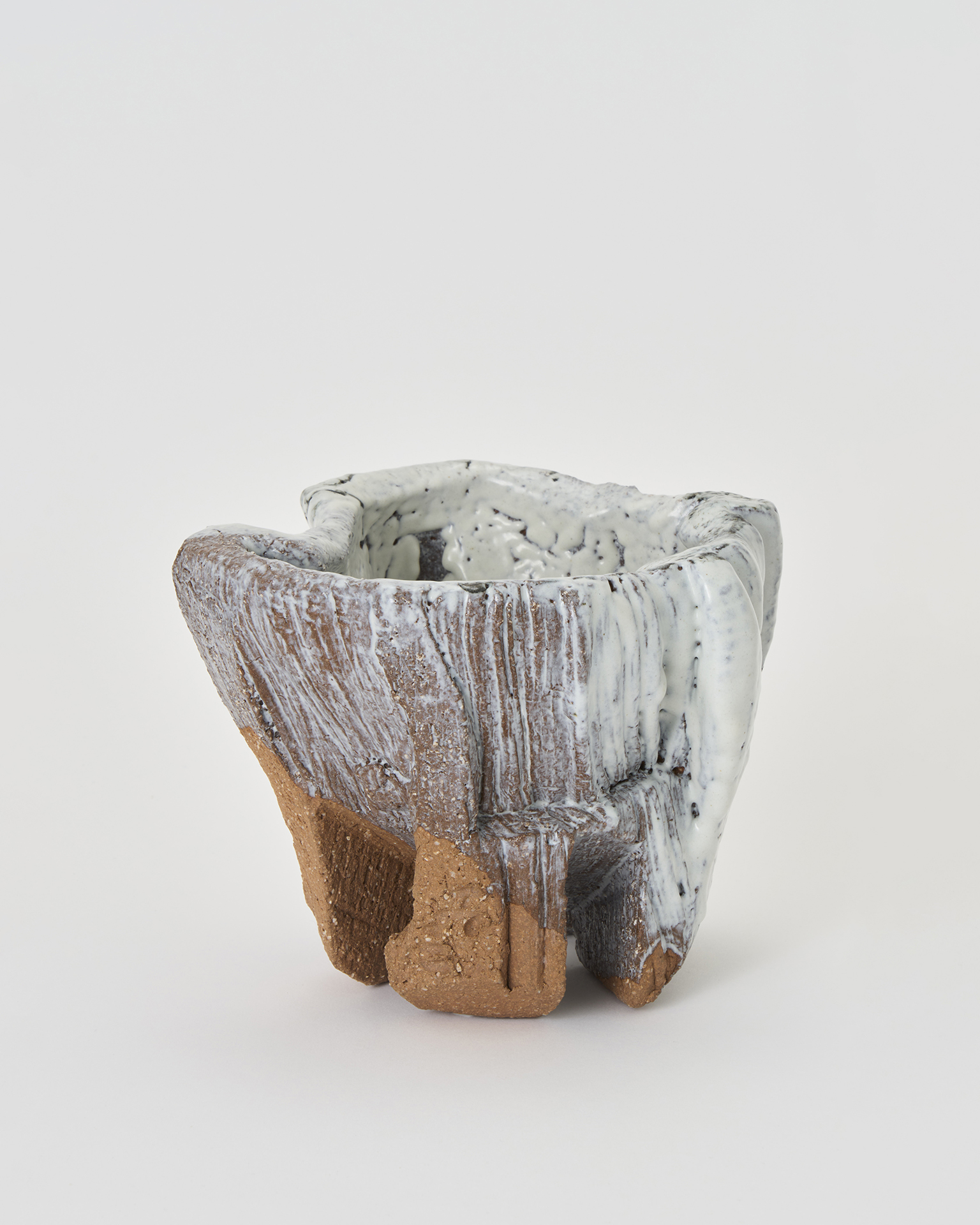

El Capitan Ⅴ
2024
Miwa Kyusetsu XIII
El Capitan Ⅴ
2024
Hagi stoneware, straw ash glaze
h.51.5 x w.63.0 x d.62.5 cm
© 2026 Miwa Kyusetsu XIII


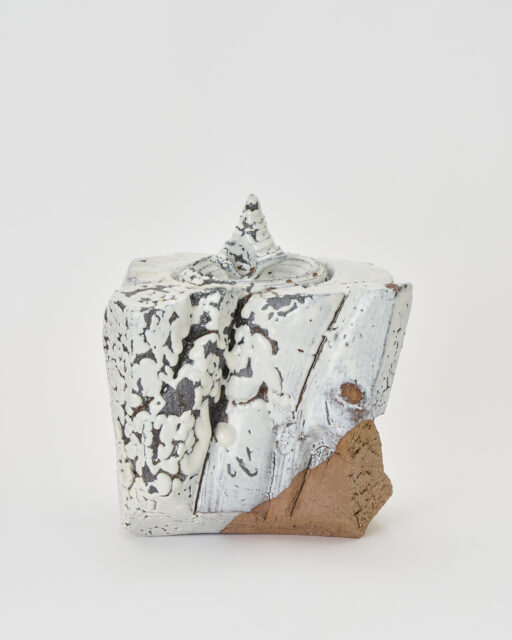
Setsurei
2026
Miwa Kyusetsu XIII
Setsurei
2026
Hagi stoneware, straw ash glaze
h.25.5 x w.22.7 x d.21.3 cm
© 2026 Miwa Kyusetsu XIII
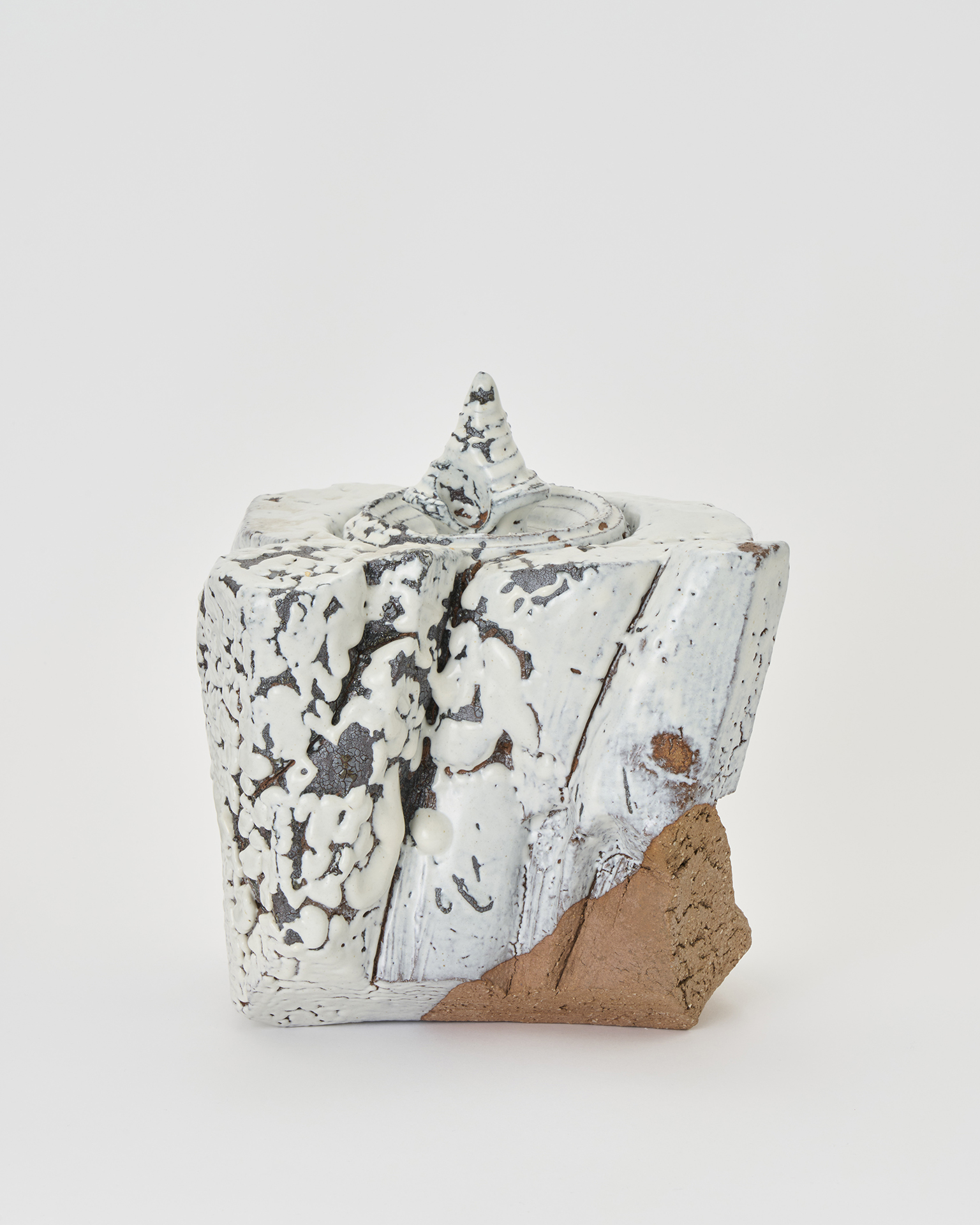
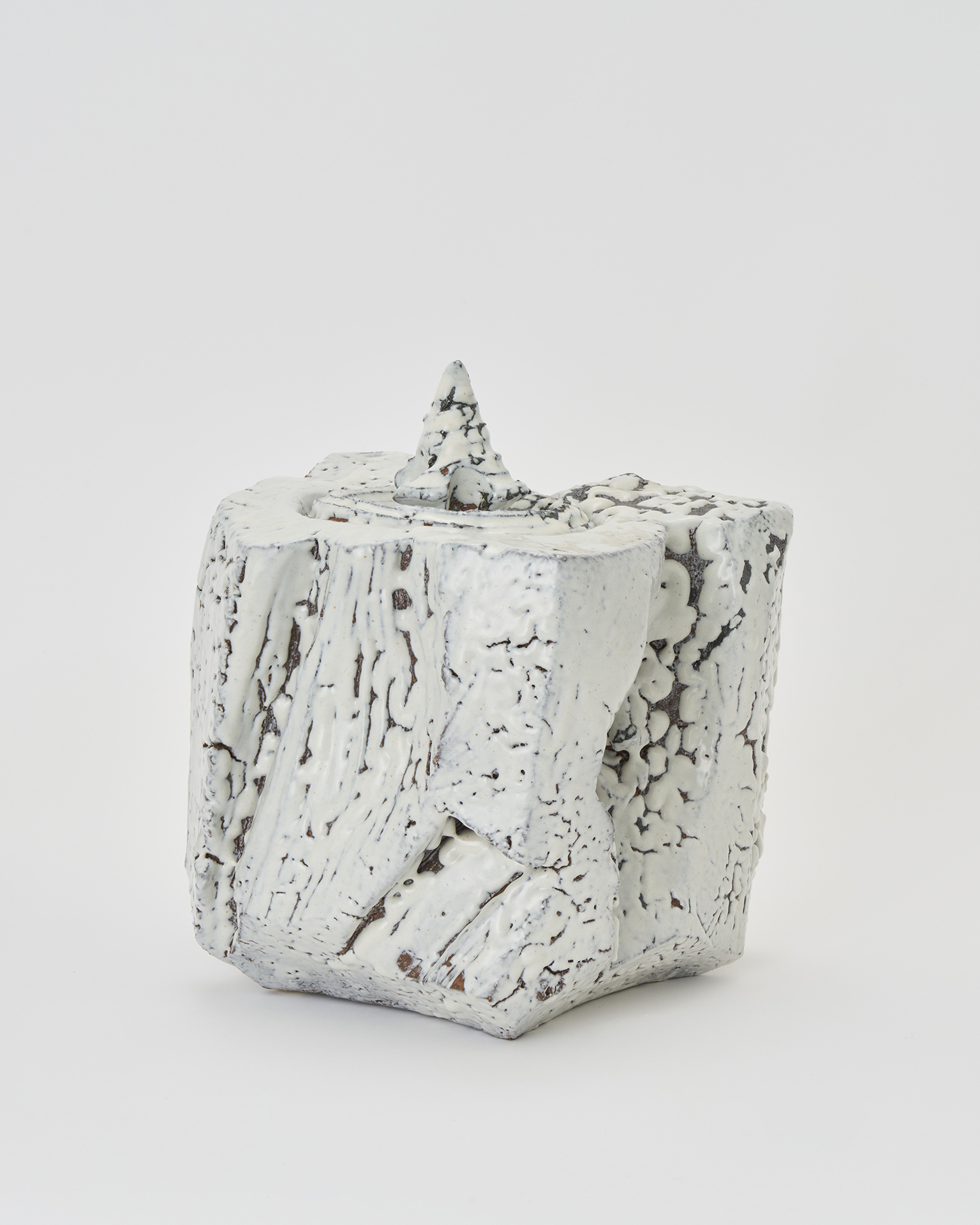
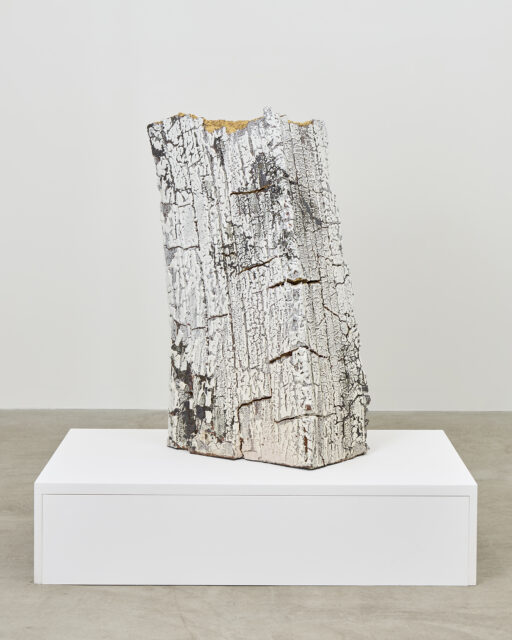
El Dorado
2025
Miwa Kyusetsu XIII
El Dorado
2025
Hagi stoneware, straw ash glaze, gold
h.111.5 x w.75.0 x d.55.0 cm
© 2026 Miwa Kyusetsu XIII
El Dorado
2025
Miwa Kyusetsu XIII
El Dorado
2025
Hagi stoneware, straw ash glaze, gold
h.41.0 x w. 65.0 x d.32.4 cm
© 2026 Miwa Kyusetsu XIII
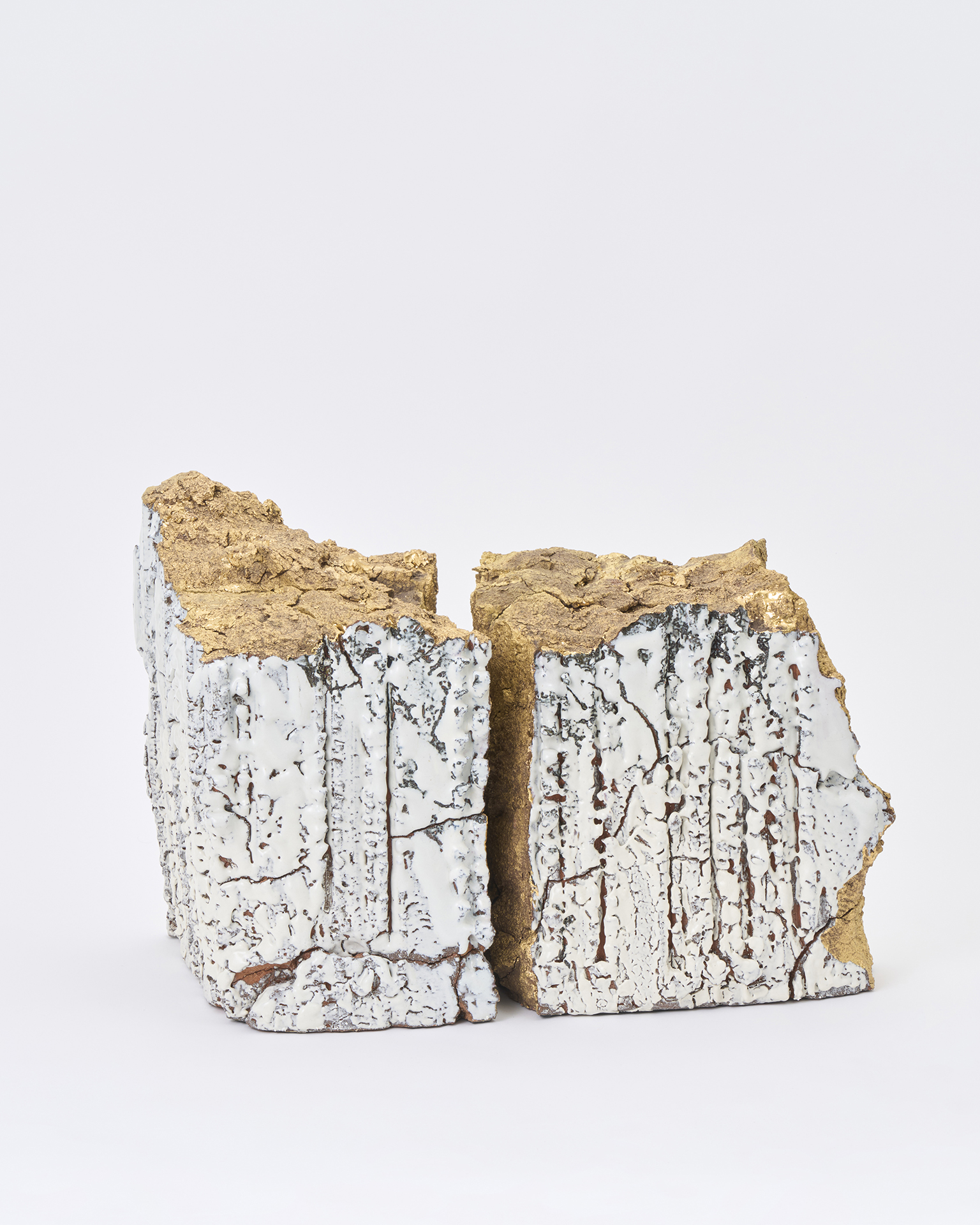
El Dorado
2025
Miwa Kyusetsu XIII
El Dorado
2025
Hagi stoneware, straw ash glaze, gold
h.27.2 x w.19.7 x d.26.0 cm
© 2026 Miwa Kyusetsu XIII